
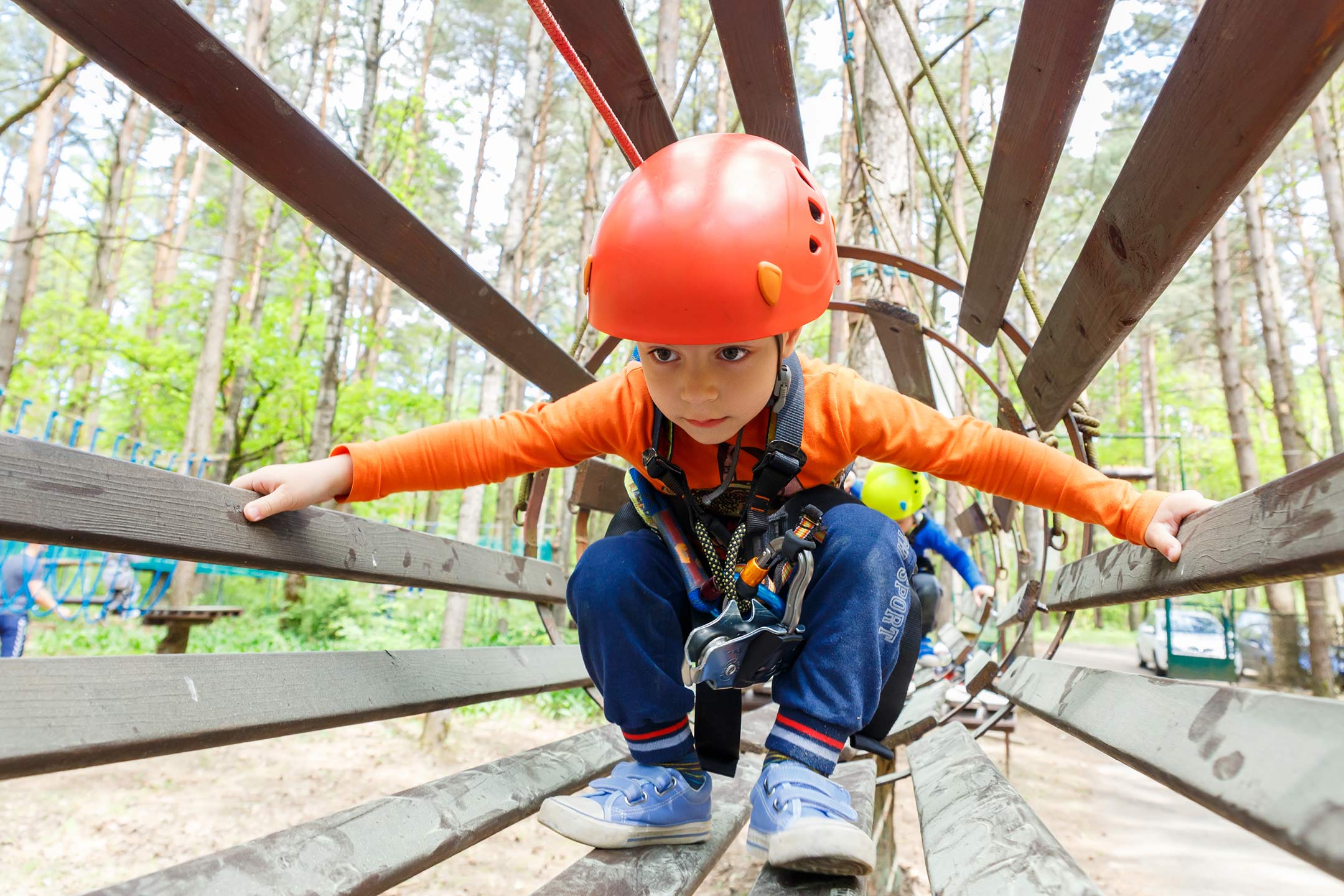
23 Oct Building kids confidence through action
In Part 1, we met Ben — a shy six-year-old who struggled to believe in himself. Here, psychologist Renee Mill shows how his parents helped him build true confidence through “mastery experiences” — and how it changed their family for the better.
Turning Understanding into Action
When Gerald asked how to give Ben real experiences of success, I explained that confidence grows from mastery. Each time Ben successfully completes a task — however small — he learns, “I can do this.” The more he succeeds, the more capable he feels.
To make this real, we used an example. Ben avoided ball games because he feared failing. So Gerald could start with simple games at home — gently throwing a ball in the backyard, offering specific praise like:
“You’ve got a good eye for the ball” or “Look how well you caught that!”
Once Ben experienced success, he was ready to try cricket at school. One success built on another until he believed, “I can play sport,” and later, “I can try new things.”
Everyday Tasks Build Confidence Too
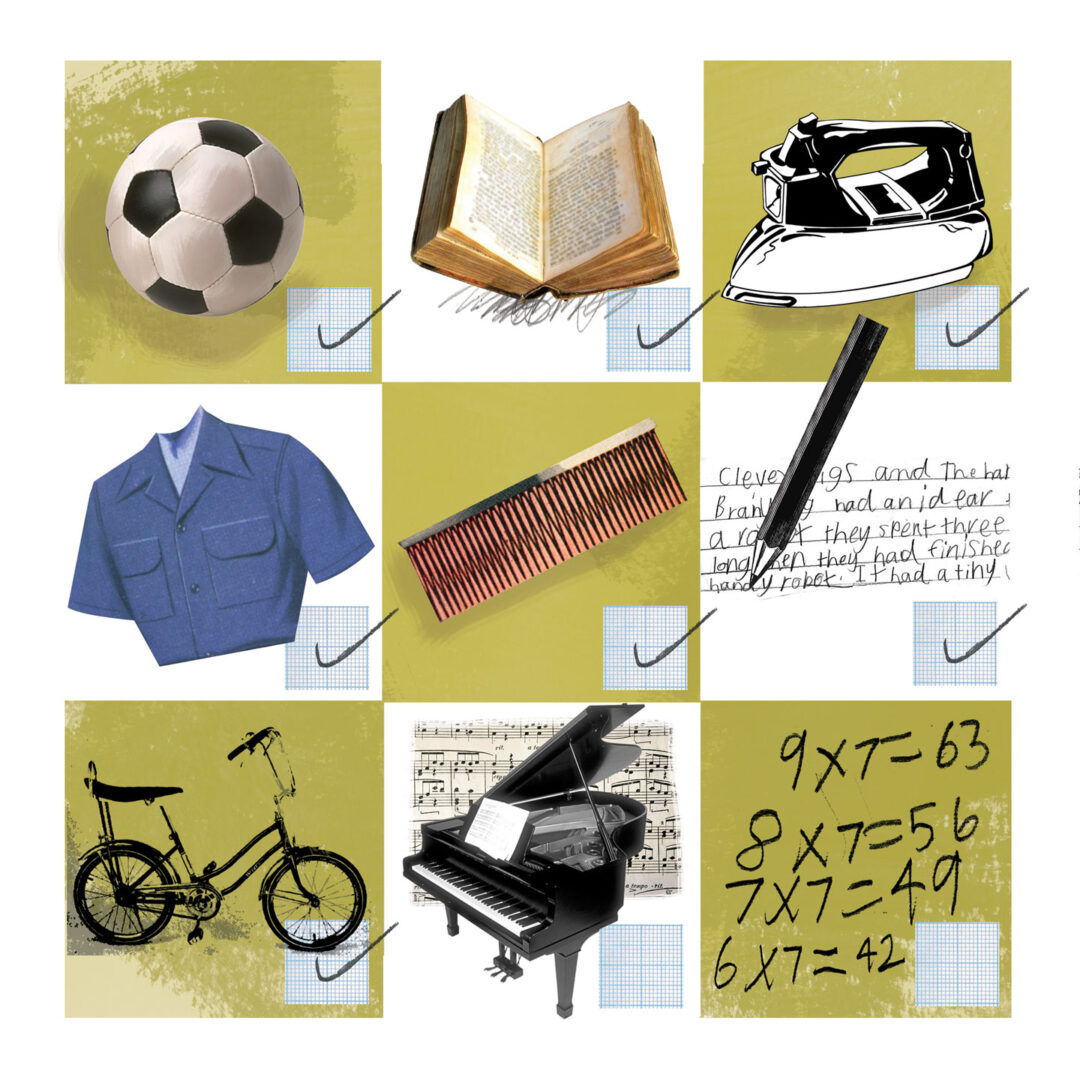
Gerald and Tina began creating small opportunities for Ben to master achievable tasks — helping with shopping, writing a list, counting money, or peeling potatoes for dinner. Each activity became a quiet lesson in capability.
When children complete tasks independently, they gain real self-belief — not just from what parents say, but from what they do.
 Letting Children Struggle and Succeed
Tina admitted she often stepped in too quickly to prevent Ben from failing. Gerald confessed he did the same. I reassured them that letting Ben struggle is part of the process. Struggle teaches persistence, resilience, and pride in hard-won success.
Each challenge mastered boosts a child’s self-esteem in a lasting, meaningful way.
Meaningful Reassurance and Role Models
Parents can also use reassurance more effectively. Instead of vague comfort, link it to real experiences:
“Remember how you were scared to play cricket, but you tried and loved it? You can do the same with soccer.”
Watching peers succeed can also help. When Ben saw a friend playing confidently at a party, a gentle prompt from Tina encouraged him to try too.
Confidence That Lasts
Six weeks later, Gerald and Tina returned with good news. Ben was happier, more independent and proud of his achievements. He was even taking initiative at home and persevering at school.
Gerald laughed that he too had gained confidence as a father — only when he applied the strategies did he feel successful. Their journey taught them firsthand the power of self-efficacy.
Every time that Ben has the opportunity to master a task, he will start to believe that he is capable of doing that task. The more things that he masters, the more he will believe that he can be successful in new situations too.
— Renee Mill
Children don’t gain confidence by being told they can do something — they gain it by doing. By offering safe, achievable challenges and letting kids experience mastery, parents can help their children (and themselves) grow more confident every day.
Illustrations by Ron Monnier