
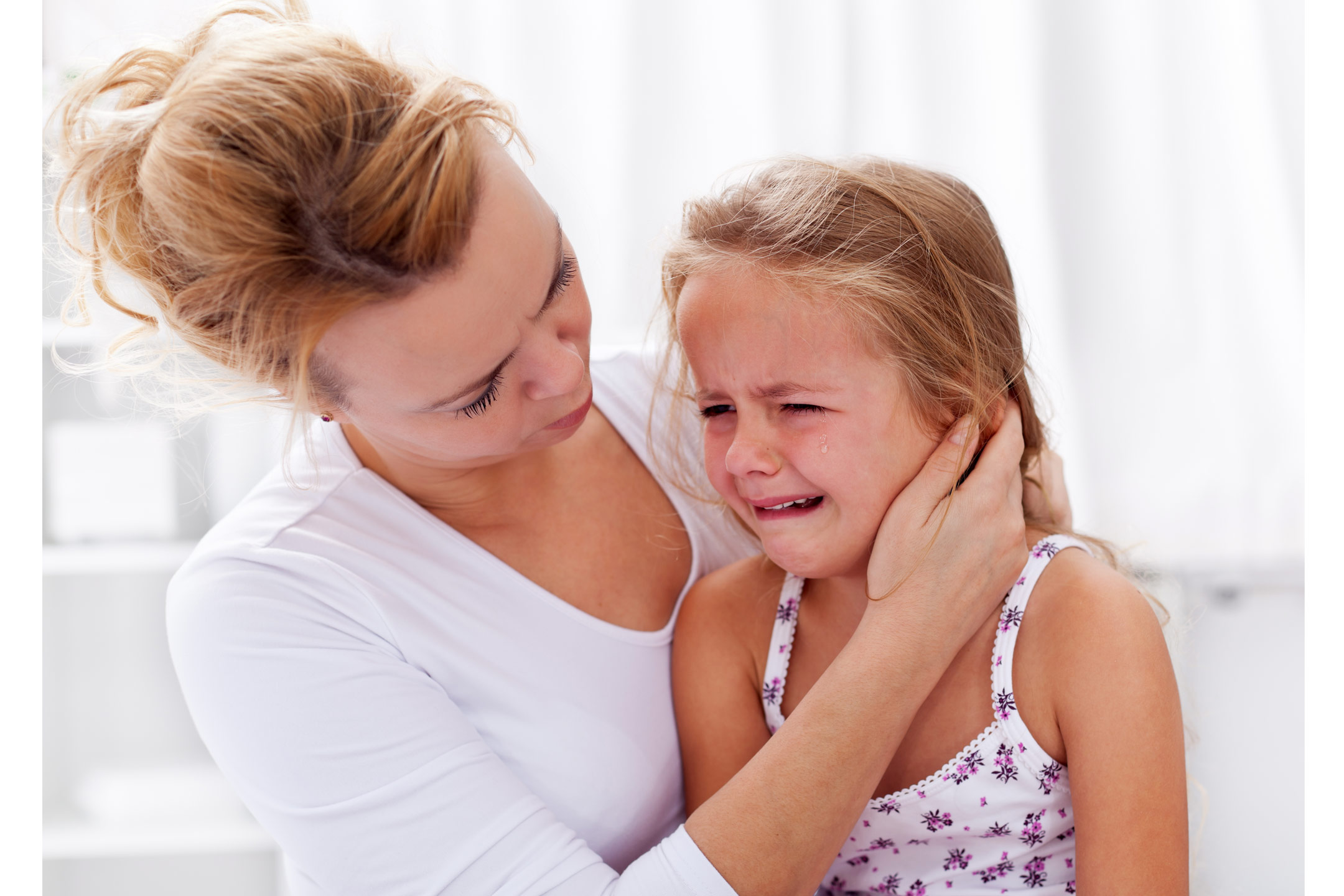
03 Sep Grieving for Nan: When a Child’s Sorrow Comes Later
As she and her family come to terms with the death of her mother, Carol Raymen watches her young daughter struggle with the loss of a much-loved Nan — and wonders whether she could have done anything differently.
As I watched my daughter sobbing hysterically in the corner of the playroom and asking me, “Why? Why? Why did Nanny die?” I had to question all the decisions I had made about caring for my mother during her illness and until her death.
At the time, it had seemed the right decision, the only decision to make. Of course she would come home and be nursed by those who loved her. Of course she would die in her own bed. There was never any question that it would be any different. Of course we could all handle it, even the children.
But as I sat and watched how my daughter wasn’t “handling it”, I was washed over with such guilt and heartbreak and utter helplessness that I didn’t know what I was going to do.
Nanny had always been there for my daughter, looking after her, cuddling her, reading her stories. Nan had fed her her first piece of Vegemite toast and happily watched as she smeared it all over her face. Nan had been there every morning to give her hot Weetbix and cranberry juice for breakfast, all made just the way she wanted it.
Nan had been her comfort, her role model, her happiness, part of her routine.
When everything changed
Every afternoon, even when Nan was sick, my daughter had come home from school on the bus, patted the dog, kicked off her school shoes and gone out to “Nan’s house”, a flat at the back of our own house, for afternoon tea.
But this afternoon the house felt different.
As she snuck into Nan’s house ever so quietly, because Pa was asleep, to stand beside Nan’s bed, she knew it was different. Even as she touched the now cold, bony hand, she knew it was different.
Nan had left her.
As she stood stony-faced and gently stroked Nan’s sunken cheek, trying in her own way to let Nan know that she was there, her father and Pa came into the room and they too realised that things were different.
She shed no tears then, but stoutly went back outside and cuddled the dog. No words. No hysteria. No emotion. Nothing but fixed attention on the television as Nan’s body was taken past the lounge-room window; fixed attention on the wall as the engine of the hearse revved and drove Nan away.
No tears at the funeral. No tears as the words of those who loved Nan reminded her of how much she had loved her.
When asked if she was okay, she would answer, “I’m okay,” but she would never look anyone in the eyes, would never let anyone see the emptiness there. She seemed unable, or unwilling, to accept her loss, and the strength of it both amazed and frightened me.
Grief comes in its own time
School life went on as normal. Home life went on as best it could.
Pa had taken over the role of breakfast provider, but the sweet, lavender smell of Nan always lingered in the air, and things just weren’t the same.
The happy, carefree girl we had known gradually became distant and sullen, with increasingly angry reactions. The smallest demands on her attention could provoke terrible outbursts. Her routine, her comfort and her happiness had all changed, and she didn’t know where to seek them.
But why today, after so many months, the tide of despair had risen to smash away her defences as if they were some flimsy wall, I don’t know.
 And I don’t know how to comfort my child the way she needs it.
My own heart has broken and I doubt whether I will have the strength to make her life right again. I can’t answer the question she is yelling at me. I don’t know why such a wonderful, giving, gentle woman died the way she did. I don’t know why I let my child share in this suffering the way I did.
Why can’t I make it better?
My husband rushes past me and scoops my sobbing, thrashing daughter into his arms. Her tiny fists beat against his back and her feet kick out in defiance, but he holds her tight.
I distantly watch them both. Tears flow freely down his cheeks at the sight of our beloved little girl desperately trying to make sense of her world, to make sense of the way grief, loss and pain have changed her life.
I have caused this. I should be able to make it right again. That is what parents are supposed to do, isn’t it?
“Mummy is here, everything is all right.”
“Tell Mummy. She can make it better.”
Then why can’t this parent make everything better? Why am I still sitting slumped on the floor, unable to rush to my child’s side and say those words? Am I such a bad parent that I abandon my child to hysteria when she needs me most?
Surely not.
Why aren’t the tears flowing freely down my cheeks as they do my husband’s?
I can’t go to her because I know those words of comfort would be lies. I can’t make it better. I can’t make everything all right.
My heart is in tatters with grief and helplessness and loss. My tears can’t flow because to let them do so would be to unleash a tide of emotion that I do not have the strength to bear.
Sometimes words aren’t enough
She has that strength.
Slowly, her fists stop pounding with such hurtful force. Slowly, the feet stop kicking so hard. Slowly, the unintelligible sobs become whispers of “Why? Why? Why?”
Slowly, I stand and open my arms to my child.
My husband places our fragile, emotionally torn daughter into my waiting arms, and I clutch her to me.
Words can offer no comfort right now. All I can offer her is the comfort of my rhythmically pounding heart as she lays her head against me, the sound of life as it rushes into my lungs and the warmth of my embrace.
As a grieving parent, I have nothing more to give, and at a time when words would only be hollow, my child needs no more.
llustration by Andrea Smith
Finding support
Kids Helpline provides free, confidential grief counselling for children and young people aged 5–25, 24 hours a day, seven days a week.
Phone 1800 55 1800, or use their online counselling service.
Raising Children Network has practical information for parents about talking to children about death and helping children cope with grief and loss.
National Centre for Childhood Grief
Grief Australia provides grief and bereavement information, counselling and support for individuals, children and families. Phone 1800 642 066.
Lastly: If you are concerned about how your child is coping following a death, you can also speak with your GP about appropriate support.
Editor’s note: This personal story was first published in 2007 and has been lightly edited for the web. Children experience grief in many different ways. Some may cry or ask questions immediately, while others may seem unaffected at first, or show their grief later through anger, anxiety or changes in behaviour. There is no single “right” way for a child to grieve.