
23 Oct Paws for Action: How My Kids Learned the Value of a Dollar
Sandy Leen cashes in on her children’s desire for a dog.
Dreaming of a Dog
Millie looked amazed when I told her that money doesn’t grow on trees.
“Of course it doesn’t,” she said. “You get it from the money machine.”
It was my turn to be amazed. “And how do you think the machine decides if it will give us money or not?”
She shrugged and went back to the question that had sparked our conversation: “When can we get a dog?”
I felt mean, but said it anyway. “When you’ve saved enough money to buy one.”
At nine and seven, Millie and Jack knew money paid for things, but not how much work was required to earn it. Their longing for a dog seemed the perfect opportunity to teach them. “The dogs you like cost hundreds of dollars,” I told them. They had their hearts set on a golden labrador—an expensive choice that would also eat its way through a fortune.
Saving for Georgie
Millie emptied every coin from her piggy bank, then persuaded Jack to do the same. He counted carefully. “Altogether we’ve got $85.55.”
I felt doubly mean. It wasn’t much, considering they had been hoarding their money for years. The tooth fairy and jobs for Mum clearly didn’t pay well.
Then Jack had a brainwave. “Let’s check on the internet to see how much they are.” They found a breeder selling golden labrador puppies for around $250. When I reminded them of the vaccinations, registration and accessories, their goal jumped to $500. They even chose a name—Georgie—and stashed their combined savings in a plastic bag behind a big teddy bear.
A Garage Sale Education
The fundraising began in earnest. Their first attempt involved rounding up broken toys and trying to sell them at outrageous prices. After this embarrassing episode, we agreed to hold a proper garage sale.
For weeks, we sorted, cleaned and priced items. “We are gonna be soooo rich,” said Jack, as they labelled everything from 50 cents to five dollars.
The first customers arrived early. The kids were thrilled when a man handed over several large notes for battered furniture. But after the initial rush, business slowed. When an elderly man picked up a vase, Jack said helpfully, “That price tag is actually missing a zero.” The man replaced it carefully.
 Millie, on the other hand, was too honest. She pointed out every flaw in every item, driving Jack mad. To make up for her “mistakes”, he rounded up neighbourhood kids to inspect his “amazing selection of pre-loved toys”. Mothers were soon heard over fences, chastising their kids for wasting money on rubbish.
By the end of the day, our takings came to $300. “We’re rich, but not rich enough to get Georgie,” sighed Millie. Jack nodded. “This is harder than I thought.”
Working for Every Dollar
Millie’s next idea was to bake shortbread in all kinds of shapes and sell it at recess. When her classmates tired of shortbread, she switched to chocolate-chip biscuits. Eventually, I tired of chocolate pieces floating in the kettle and a cutlery drawer emptied of wooden spoons.
Jack, meanwhile, turned his weekly calls to his grandparents into sales pitches for the dog fund. They refused to give cash, knowing it would defeat the purpose, but promised birthday gifts of collars and leads.
Soon, every household chore came with a price tag. These kids didn’t get out of bed for less than five dollars. We drew up a list of essential chores to keep the house running and extras they could do for pocket money. Jack became an expert car cleaner and even folded his own washing. Millie bravely cleaned out the fridge and gave me an earful about expired food. I paid her extra out of guilt.
Banking on Their Dream
Entire evenings passed, counting their growing stash. They kept a handwritten record of every coin, so when I “borrowed” $20 for an excursion, they caught me instantly. “You can’t do that,” said Millie. “We worked really hard for that money!” I had to write an IOU.
When the plastic bag split under the weight of coins, we decided it was time to visit the bank.
The manager was charming as he checked their details against birth certificates. Jack got straight to the point. “We’ve saved lots of money ’cos we want to buy a dog. We need a bank account to put it in.”
The manager explained they were too young to open an account on their own. It would have to be in my name, held in trust. Millie looked sceptical. “But we don’t want Mum to be able to use it. She might take it for excursion fees again.”
I assured them the withdrawal card could be kept somewhere secret. Satisfied, they followed me to the counter. The teller’s smile faltered as we poured out bags of coins, but when she finally handed over the receipt—$503.20—the kids were ecstatic. Immediate plans were made for Georgie’s arrival.
 Payoff at the ATM
Jack checked the mail every day for the withdrawal card, assuming the bank would treat his business as urgent. When it finally arrived, he and Millie hid it from me, along with the PIN.
The big day came. Jack retrieved the card and slid it into his wallet. “Do you remember the PIN?” he asked anxiously.
“Of course I do,” said Millie. “You put the card in and I’ll press the buttons.”
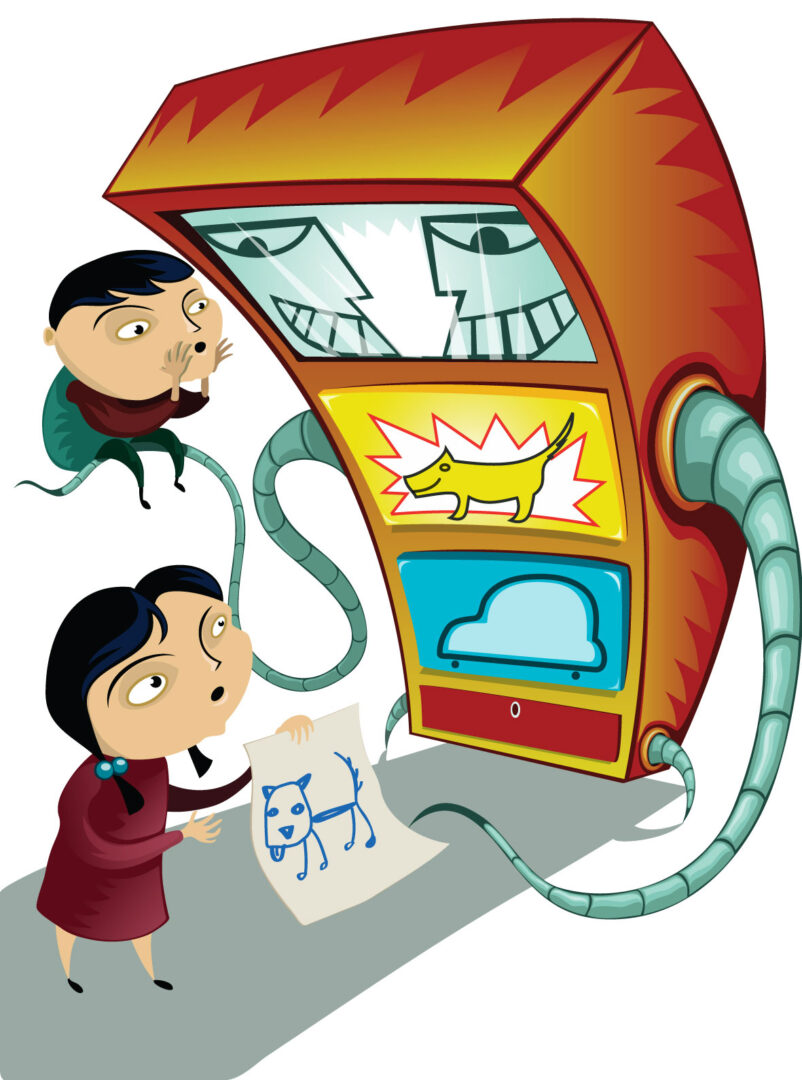
At the ATM, Jack was so excited he couldn’t find the slot. Millie guided him and shielded the keypad from my view. “What if it doesn’t give us the money?” fretted Jack. Then the machine began to whir.
Their faces lit up as a fat wad of notes slid into their hands. Jack whooped with delight. Their hard work had finally paid off—Georgie was going to be a much-loved member of the family.