

20 Nov The Key to Confidence — Why Praise Alone Isn’t Enough
All parents want their children to be happy and confident. But as clinical psychologist Renee Mill explains, praise alone won’t build lasting self-belief. True confidence comes when children learn to master challenges for themselves.
When Love and Praise Aren’t Enough
When I met Gerald and Tina, they told me they simply wanted their son, Ben, to have friends, do well at school, and grow into a happy, productive adult. But they were worried about his behaviour.
Ben is a timid six-year-old who avoids new experiences. He clings to his mother at parties, refuses to try ball games, and often calls himself “stupid”. When faced with a new reading book, he won’t even attempt the words until Tina reads them first.
Gerald was baffled. He often told Ben he was “special” and “capable of anything,” yet nothing seemed to change. Tina admitted she felt frustrated and tried to comfort him by reminding him how loved and safe he was.
Their love and reassurance were genuine — but something was missing.
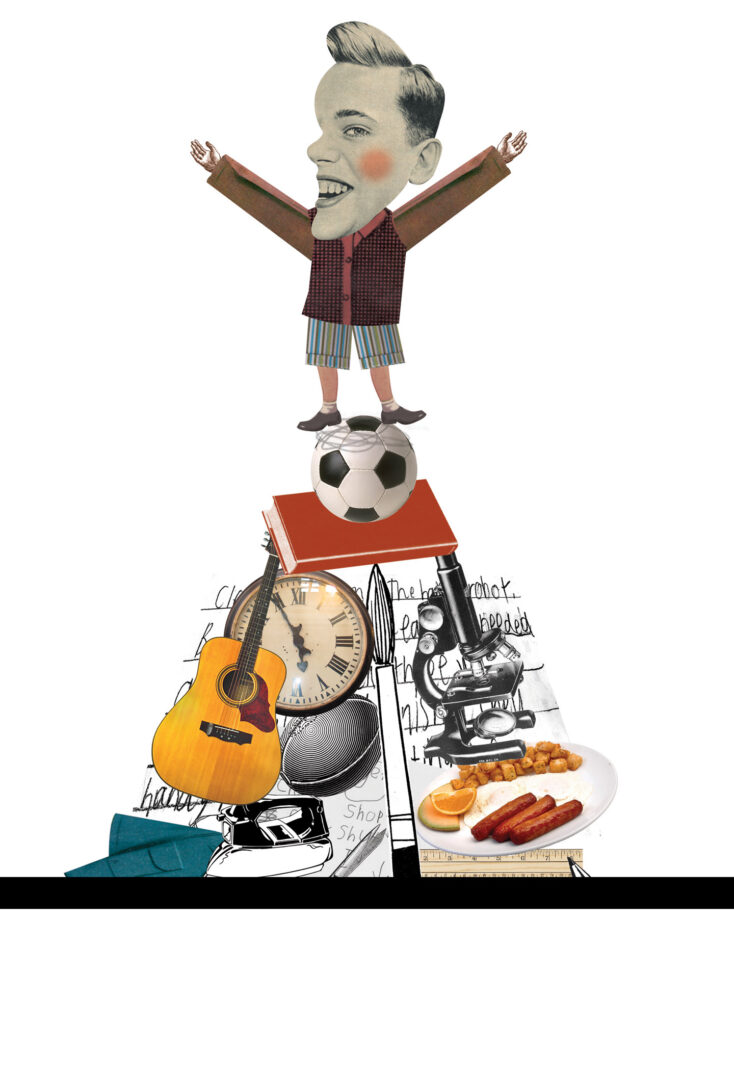 Introducing Self-Efficacy
Alongside praise and love, children need something deeper to build confidence: self-efficacy.
I define self-efficacy as the feeling you get when you do something successfully — that sense of mastery that comes from completing a task that once felt difficult. It’s the inner voice that says, “I can do this.”
And importantly, it can only come from doing. No amount of praise or reassurance can create it on its own.
Helping Children Believe They Can
Gerald and Tina were surprised by the idea. I explained that when Ben is told he can do something, it doesn’t make him believe it. He has to experience success to feel capable.
To illustrate, I asked Tina how she’d feel if I told her she could be a ballerina. She laughed and said she’d think I was crazy — she had no idea how to do ballet.
“That,” I explained, “is how Ben feels when you tell him he can read a new book before he’s ever done it.”
Once they understood this, they began to see why Ben’s confidence had stalled — and were eager to learn what they could do differently.
I define self-efficacy as the feeling that you get when you do something successfully; the excitement of knowing ‘I can do this’, which comes from doing something that seemed too difficult before.
— Renee Mill
Next:
In Part 2, Renee explains how Ben’s parents helped him turn that insight into action — and how their whole family gained confidence in the process.
Illustration by Ron Monnier