
11 Feb Why Kids ‘Lose It’ After School — And What Actually Helps
If your child falls apart the moment they get home from school, you’re not imagining it — and you’re definitely not alone.
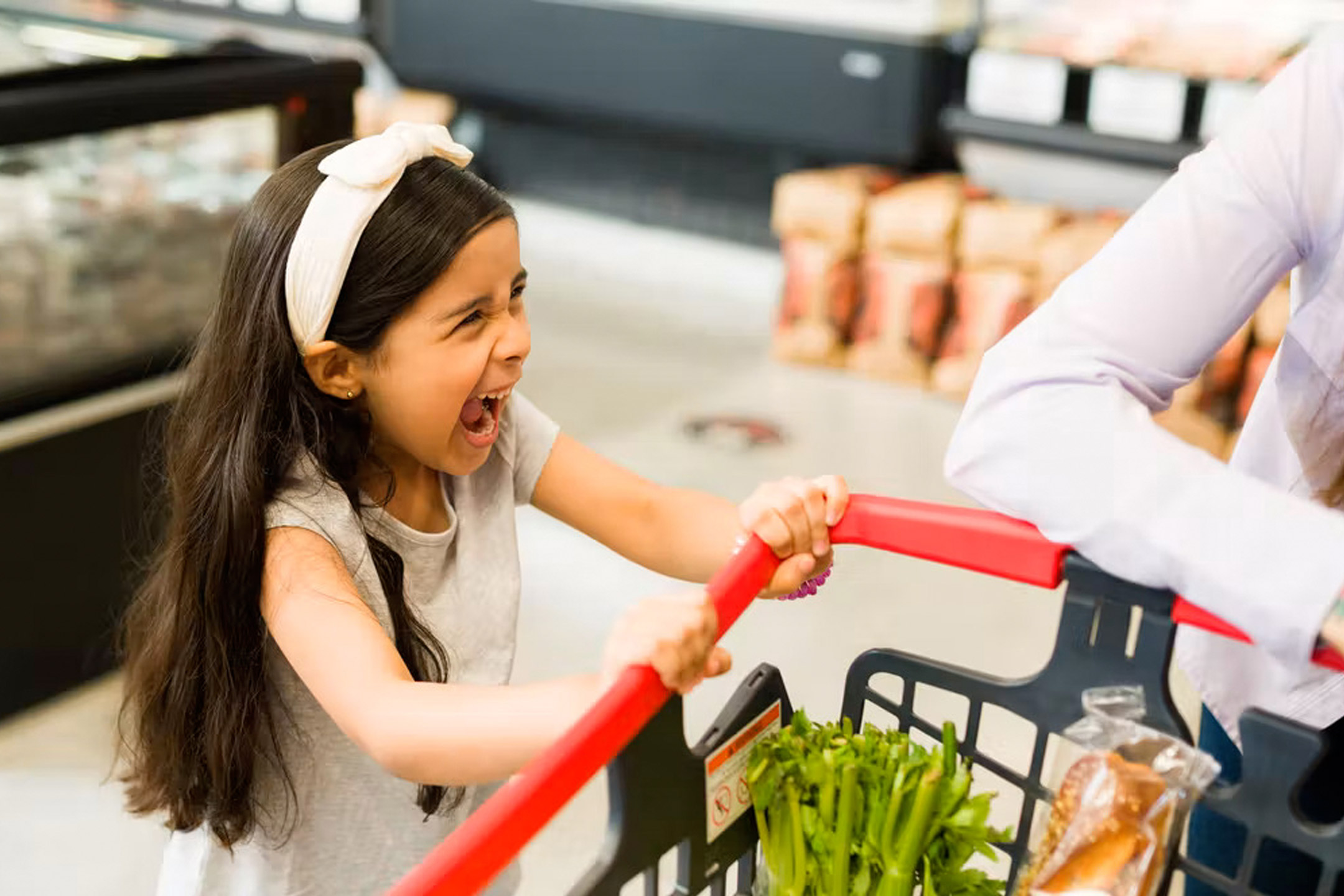
Afternoon meltdowns, bedtime blow-ups and tears over seemingly small things are incredibly common in young children, especially during the early primary years.
What looks like bad behaviour is often something else entirely: a child who has run out of emotional fuel.
It’s not misbehaviour — it’s overload
Children spend their days navigating noise, rules, learning demands, social situations and constant self-control. By the time they get home, many are operating on low energy and high tension. When that happens, their ability to cope drops sharply.
This is where the idea of self-regulation matters. Self-regulation isn’t about children “behaving better” — it’s about their capacity to manage stress, emotions and energy levels. And it’s a skill that develops slowly, with help from adults.
Psychologist Stuart Shanker, founder of the Self-Regulation Institute, explains that stressed children aren’t being defiant — they’re overwhelmed. When stress builds up, their nervous system goes into overdrive, making calm responses almost impossible.
Stress looks different for every child
One of the trickiest things for parents is that stressors vary wildly between children. Loud noise might send one child into meltdown while another finds it energising. A busy classroom, a change in routine, social tensions, hunger, tiredness or even cluttered spaces can all quietly drain a child’s reserves.
Experts often group stress into five broad areas:
-
Physical (noise, heat, hunger, fatigue)
-
Emotional (fear, disappointment, worry)
-
Cognitive (learning demands, memory load)
-
Social (friendships, group dynamics)
-
Pro-social (absorbing other people’s stress)
What adds to the challenge is that these triggers change over time. Something your child managed last month may suddenly feel overwhelming now.
Catch stress early — before the meltdown
Once a child is already dysregulated, the goal shifts from teaching to soothing. That’s why recognising early warning signs is so important. Changes in voice, rough play, irritability or withdrawal can all signal rising tension.
Calm adult behaviour matters more than perfect words. Children learn regulation by borrowing it from us — our tone, our pace, our presence.
Over time, parents can also help children build awareness of their own stress signals. Talking about tummy aches, tight muscles or feeling “too full inside” helps kids learn what their bodies are telling them — and what helps them feel calm again.
What actually helps at home
While every child is different, some basics make a big difference:
-
Sleep: Consistent routines and screen-free time before bed help restore depleted energy.
-
Connection: Quiet, one-on-one time with a parent — especially at bedtime — supports emotional safety.
-
Food and movement: Regular meals, reduced sugar spikes and daily physical activity help regulate the brain.
-
Predictability: Simple routines reduce cognitive load and anxiety.
-
Environment: Calm, uncluttered spaces are easier for children to process.
Sometimes the solutions are surprisingly small — preparing for transitions, offering choices earlier, or removing unnecessary pressure points.
Progress, not perfection
Children aren’t meant to self-regulate perfectly — especially when they’re tired, hungry or overstimulated. With support, patience and reduced stress, their capacity grows over time.
The key question for parents isn’t “How do I stop this behaviour?” but “What’s making my child so stretched right now?”
When stress is lowered and energy is restored, calmer behaviour often follows — for kids and parents alike.
What you can do when big feelings hit
If your child is in early primary (around ages 4–7)
Big emotions are common at this age — and they’re not something kids can manage alone yet.
-
- Meltdowns after school or at bedtime are normal, especially on busy or tiring days.
- Calm comes before conversation. Focus on soothing first, not correcting.
- Predictable routines help tired little brains feel safe.
- Use simple language to name what’s happening (“Your body looks worn out”).
- A few quiet minutes of connection with you can make a big difference.
If your child is older (around ages 8–12)
Older kids are learning to manage their feelings, but they still need support.
-
- Help them spot early signs of stress, like snapping, withdrawing or getting teary.
- Talk through tricky times before emotions boil over — afternoons, homework, bedtimes.
- Encourage simple calming strategies they can use themselves (reading, music, Lego, movement).
- When emotions are high, reasoning and consequences rarely help.
- Good sleep, regular meals and downtime are still essential.
At any age
When behaviour feels bigger than usual, it’s often a sign your child is overloaded. Reducing stress and restoring energy usually works better than pushing through.