20 Aug Before you buy another toy could you borrow it instead?
Toy libraries are helping families cut the cost of play by giving children access to a changing selection of toys without having to buy everything themselves.
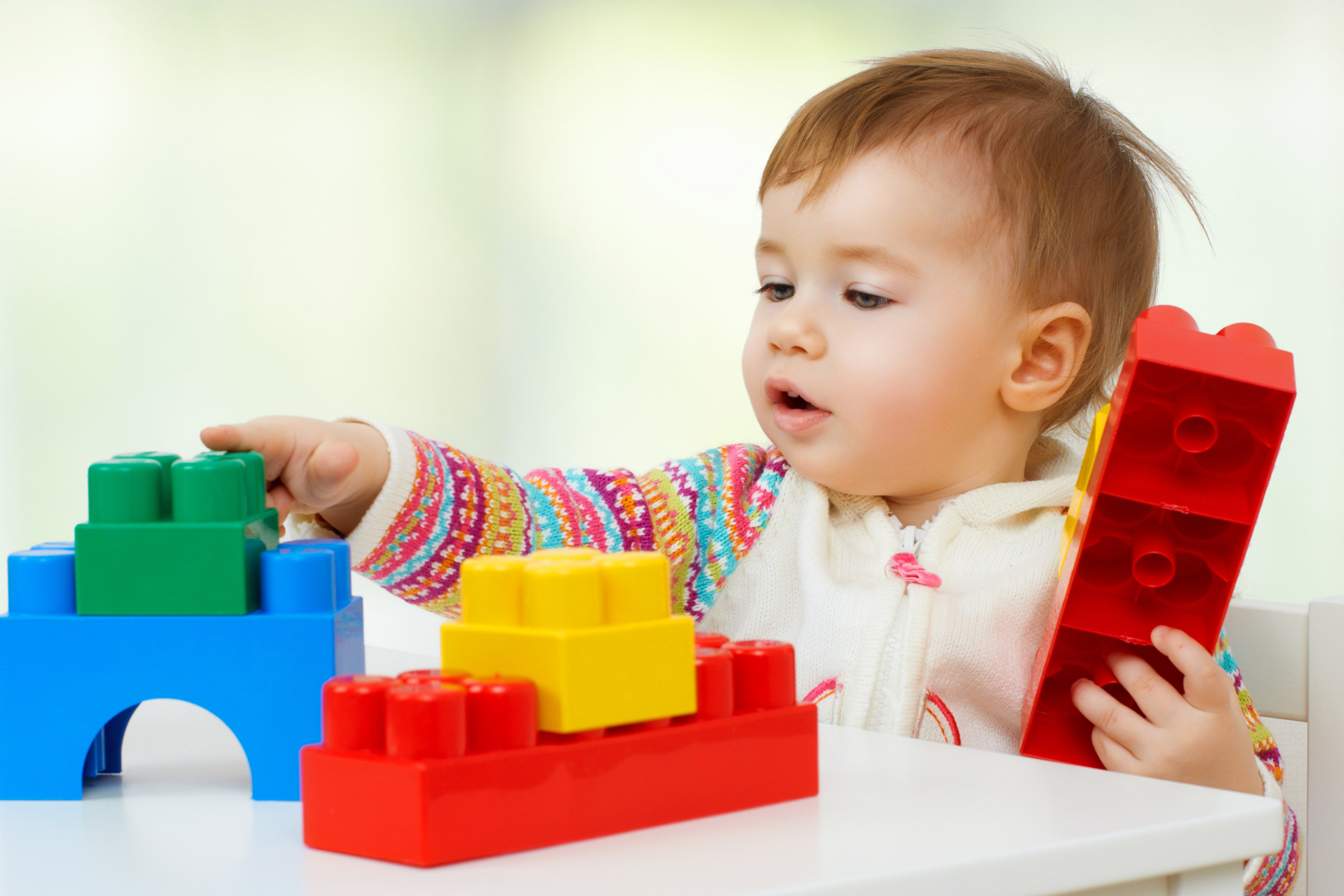
Anyone with young children knows how quickly toys can accumulate — and how quickly a much-wanted toy can lose its appeal.
That is one reason more families are looking at toy libraries as a lower-cost alternative to buying toys new.
Unlike public libraries, toy libraries are generally not free. Most charge a membership fee and some have volunteering requirements or other borrowing conditions. But memberships can still be inexpensive compared with regularly buying new toys.
Toy Libraries Australia says most memberships cost less than $2 a week.
How a toy library works
A toy library works much like a book library.
Families join their local service and borrow toys for a set period before returning them and choosing something different.
Collections can include:
- puzzles and games
- ride-on toys
- construction sets
- pretend-play equipment
- baby and toddler toys
- outdoor toys
- sensory toys
- developmental and educational toys.
Some libraries also have larger or more expensive toys that families may not want — or have the space — to buy for themselves.
Toy Libraries Australia says toy libraries around the country collectively hold toys worth millions of dollars.
A cheaper way to keep play interesting
Borrowing can be particularly useful during the early years, when children’s interests and abilities can change quickly.
A toy that fascinates a two-year-old may be forgotten only weeks later. Borrowing allows parents to rotate toys, try something new and find out what their child genuinely enjoys before spending money on something similar.
It can also help families access toys that may otherwise be outside their budget.
Toy Libraries Australia CEO Debbie Williams says toy libraries can help families manage both the cost of living and children’s need for play.
“Children learn through play, and toy libraries help parents and carers nurture children’s development through the critical early periods with ‘tools’ they wouldn’t otherwise have access to,” she says.
Less clutter, less waste
There is an environmental benefit too.
Borrowing toys means the same item can be enjoyed by many children rather than sitting unused in cupboards or eventually being thrown away.
For families already overwhelmed by toy clutter, being able to return one toy before bringing home another can also have obvious appeal.
Many toy libraries operate as community organisations, so they can also be a place for parents and carers to meet other local families.
Check the rules before joining
Membership fees and borrowing arrangements vary between toy libraries.
Some may ask members to volunteer occasionally, help with stocktakes or cleaning, or pay replacement costs for lost pieces. Borrowing limits and loan periods can also differ.
It is worth checking your local library’s rules before joining so you know exactly what is included.
For families with babies, toddlers and preschoolers in particular, however, borrowing rather than constantly buying can be a simple way to give children plenty of variety without putting as much pressure on the family budget.
Families can find their nearest toy library through Toy Libraries Australia.
See also: Your library card could save your family money!