
20 Jan H2Know: How to Keep Your Family Safer Around Water
Pool parties, icy poles, brightly coloured swimmers and backyard barbecues — for many Australian families, summer and water go hand in hand. But while water play is a cherished part of childhood, it also brings very real risks.
Drowning remains one of the leading causes of accidental death in young children — and tragically, it is often silent, quick and preventable. Even small amounts of water, including portable pools and household containers, can be deadly for babies and toddlers.
Why supervision alone isn’t enough
Many parents believe drowning only happens in large pools or at the beach. In reality, young children can drown in seconds, often during brief lapses in supervision — when the phone rings, the barbecue needs checking, or a gate is left ajar.
This is why Swim Australia promotes a “layers of protection” approach to water safety. No single strategy is foolproof, but together they significantly reduce risk.
These layers include:
- Active, constant adult supervision
- Secure barriers and compliant pool fencing
- Early swimming and water-safety skills
- Clear household water rules
- Emergency action plans
If one layer fails, the others help back it up — and that backup can save a life.
Swimming lessons: safety plus lifelong benefits
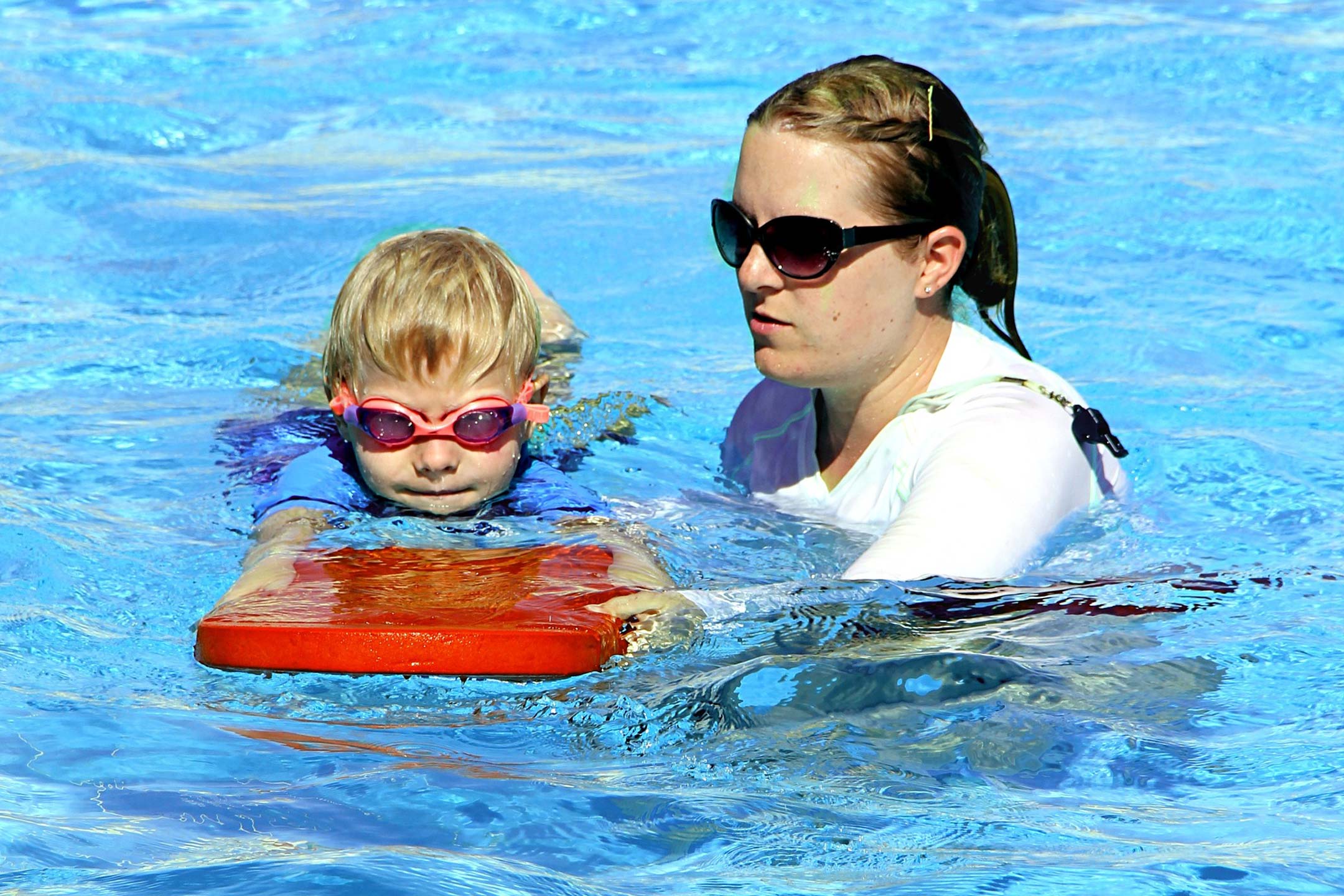
Learning to swim is more than a rite of passage for Australian children — it’s a vital life skill. Research has consistently shown that children who learn to swim early can also experience broader developmental benefits, including coordination, confidence and social skills.
Year-round swimming lessons help children become more familiar with water, but they do not replace supervision or barriers. Even confident swimmers need constant adult oversight.
Backyard pool safety: what parents should check now
Summer is the ideal time to review your pool and surrounds. Key safety checks include:
- Ensure pool fencing is compliant, well-maintained and unclimbable
- Check gates self-close and self-latch every time
- Never prop pool gates open — even briefly
- Remove climbable objects such as chairs, pot plants and outdoor furniture
- Store toys, floaties and inflatables away from the pool when not in use
- Reinforce a simple household rule: “I only swim with a grown-up”
 Hidden water hazards around the home
It’s not just swimming pools that pose a risk. For babies and toddlers, a few centimetres of water can be enough. Families should also check:
- Portable paddling pools — empty and store upright after use
- Buckets (including nappy buckets) — keep empty or securely covered
- Drink and ice buckets — place out of reach
- Dog bowls — keep shallow and away from young children
- Bird baths and water features — elevate or secure with mesh
- Toilets — use self-closing lids or safety locks
- Troughs or large containers on rural properties — restrict access
A shared responsibility
Don’t forget to check when your child goes to a friend’s place for a swim, that you see that there is a proper adult supervisor keeping an eye on them. Even though your child can swim, it’s always wise to check.
Water safety is not about fear — it’s about awareness, preparation and shared responsibility. With the right systems in place, families can enjoy Australia’s love of water while reducing the risk of tragedy.
For trusted advice, swimming programs and safety resources, visit Swim Australia.
Concept by Ross Gage — Aquatic industry leader, CEO of Gymnastics Clubs Australia and former Chief Executive of the Australian Swim Schools Association.
See these statistics from the Royal Life Saving Australia National Drowning Report (FY 2024–25) and analyses by national agencies.