19 Aug How toy libraries can help children learn through everyday play
A new Australian podcast series and collection of free resources is helping families discover how simple, child-led play can support communication, movement, confidence and connection.
Play is often described as a child’s work, but families do not need expensive toys, complicated activities or a carefully planned program to make it valuable.
A new five-part podcast series from Toy Libraries Australia explores how everyday play can support children’s physical, cognitive, language and social development. It has been released alongside Play at Home, a collection of seven free resources offering practical, low-pressure play ideas for families.
The podcast, The Toy Library Effect, has been developed with parents, disability advocates, toy librarians and allied health professionals. It looks at purposeful play, inclusive play spaces, sustainable toy choices and ways families can extend therapy-informed activities at home.
Practising skills through play
For children with disability or developmental delay, play can offer a relaxed way to practise skills between appointments with occupational therapists, speech pathologists and physiotherapists.
A clinical session may last only an hour, while much of a child’s learning takes place during ordinary moments at home. Building a tower, completing a puzzle, pushing a toy pram or taking turns in a game can support coordination, communication, problem-solving and confidence.
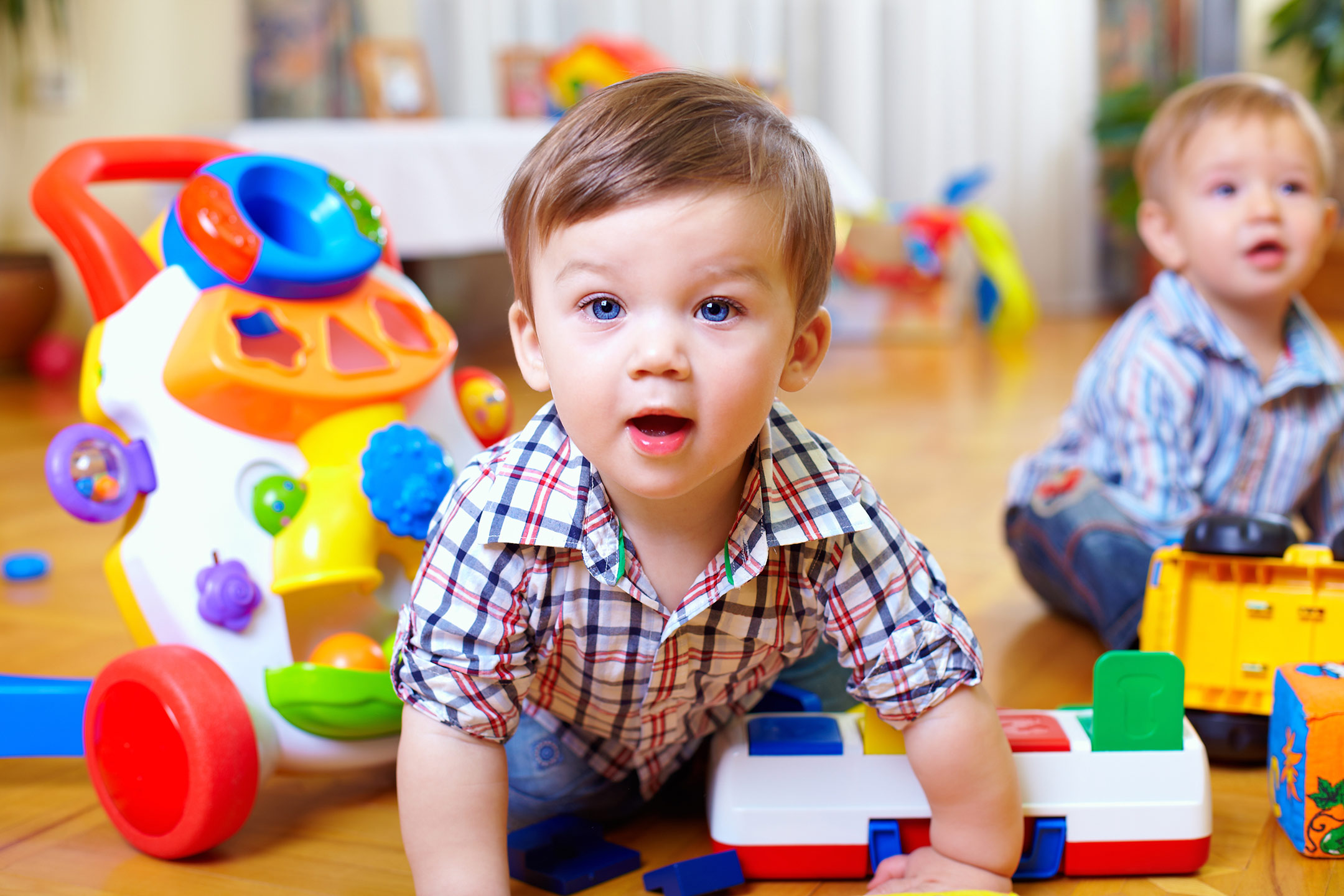
Research has also found that traditional toys such as blocks, puzzles and shape sorters may encourage more conversation than electronic versions of similar toys. Parents also tend to use richer language about size, shape and position when playing with physical toys.
“Play is a crucial component of building executive functioning in children, like building language skills, sensory regulation, communication and confidence,” says Michelle Loft, Inclusion Manager at Toy Libraries Australia.
Trying toys before buying
Toy libraries allow families to borrow toys in much the same way they borrow books from a library.
This gives children the chance to explore different activities without families having to buy toys that may quickly be outgrown, lose their appeal or prove unsuitable.
For families navigating disability or developmental delay, this can be particularly useful. Children can try different toys in a welcoming environment, while parents can learn what best suits their child’s interests, abilities and sensory needs.
Australia has around 400 toy libraries supporting more than 50,000 families and 80,000 children each year. Membership can cost as little as $2 a week.
Although a small number are specialist disability toy libraries, most are mainstream community services that aim to welcome children of all abilities. Toy Libraries Australia is also working with nine pilot libraries through its Disability Access, Inclusion and Support program to improve accessibility and inclusive play practices.
Free ideas for playing at home
The seven Play at Home resources cover:
- rotating toys to renew children’s interest
- sensory play
- sibling play and teamwork
- early communication
- fine and gross motor development
- flexible play for neurodivergent children
- strengths-based ways to support learning.
The ideas are designed to be simple and adaptable, allowing families to follow their child’s interests rather than turning play into another task that needs to be completed.
The podcast and resources may also help families who have never considered joining a toy library. Nearly one in four Australian families has not heard of the service, while many existing members say they wish they had discovered it sooner.
Listen to The Toy Library Effect at toylibraries.org.au/blog/categories/podcast.
Find the free Play at Home resources at toylibraries.org.au/for-families.