07 May It doesn’t need to be perfect to be powerful: Why Autistic Barbie matters
Representation shapes how we understand ourselves long before we have the language to explain who we are, report Jess Rowlings and Matthew Harrison
When autistic children don’t see themselves reflected in toys, stories or media, the absence can feel like a message about who belongs – or who even exists at all.
For many autistic adults, that absence only becomes visible in hindsight, once we finally encounter spaces or symbols that feel affirming.
For example, seeing it on TV – proud neurodivergent actor Chloe Hayden playing an autistic character on Heart Break High has been a revelation and a relief for many within the neurodivergent community.
The release of Autistic Barbie does not change our pasts, but she suggests that the next generation may grow up with different messages about value and belonging.
It doesn’t need to be perfect to be powerful
There has been understandable controversy around Autistic Barbie.
Some people have raised concerns about the commercialisation of autistic identity, while others question whether a single doll can represent the experiences of most autistic people – these critiques are an important part of the conversation.
Autism is not one thing, and no product could ever capture the diversity of autistic lives, cultures, communication styles and support needs. We agree that no doll should be positioned as definitive or representative of everyone.
We see Autistic Barbie as part of a broader cultural shift, like the introduction of Julia, the autistic character on Sesame Street.
Julia was not designed to represent every autistic child, yet her presence made autism visible in a mainstream children’s space. She opened the door to conversations about difference, inclusion and understanding.

Autistic Barbie plays a similar role. She is not the destination, but she is an important step forward.
Neurodiversity, connection and belonging
The rise of the neurodiversity movement has been a significant force for good. For many of us, discovering neurodiversity was the first time we encountered a narrative that did not frame us as broken or deficient.
Instead, it offered language for understanding our experiences as part of natural human variation. Finding others with shared life journeys can be transformative.
It turns isolation into connection and self-doubt into pride. Research from Reframing Autism highlights the importance of shifting this perspective for people who have recently been diagnosed.
Being autistic often involves navigating real, everyday challenges like sensory overload, executive functioning demands, social misunderstanding and systems that were not designed with us in mind.
Representation does not remove these barriers, but it can reduce their emotional weight.
Barbie’s headphones, fidget spinner and communication board help normalise the supports many autistic people use, reminding children and adults that they are not alone and that their differences are not personal failures.
Though it is important to note that while Barbie’s accessories are identity-affirming for some, many challenges of autism are invisible.
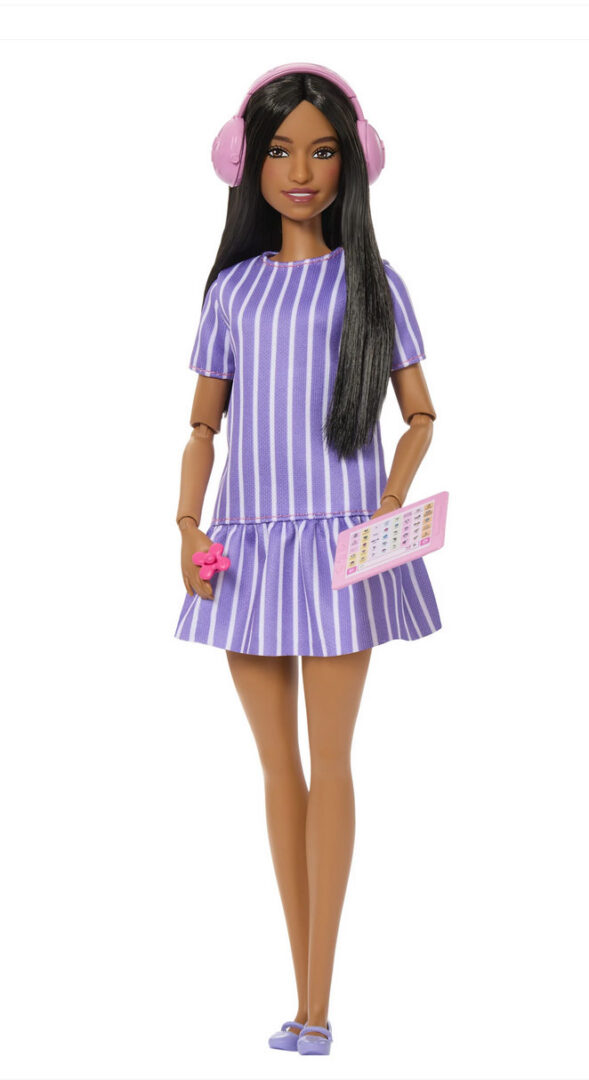 Autistic Barbie carries a simple but powerful message – invisible disabilities exist, and autistic people belong in our broader society.
This belief sits at the heart of our work with Next Level Collaboration. Through our programs, we work alongside neurodivergent children and young people to build social connection through shared interests, particularly cooperative video games.
We consistently see how powerful it is for young people to be in spaces where their interests are celebrated rather than pathologised, and where neurodivergent adults model what a fulfilling future can look like.
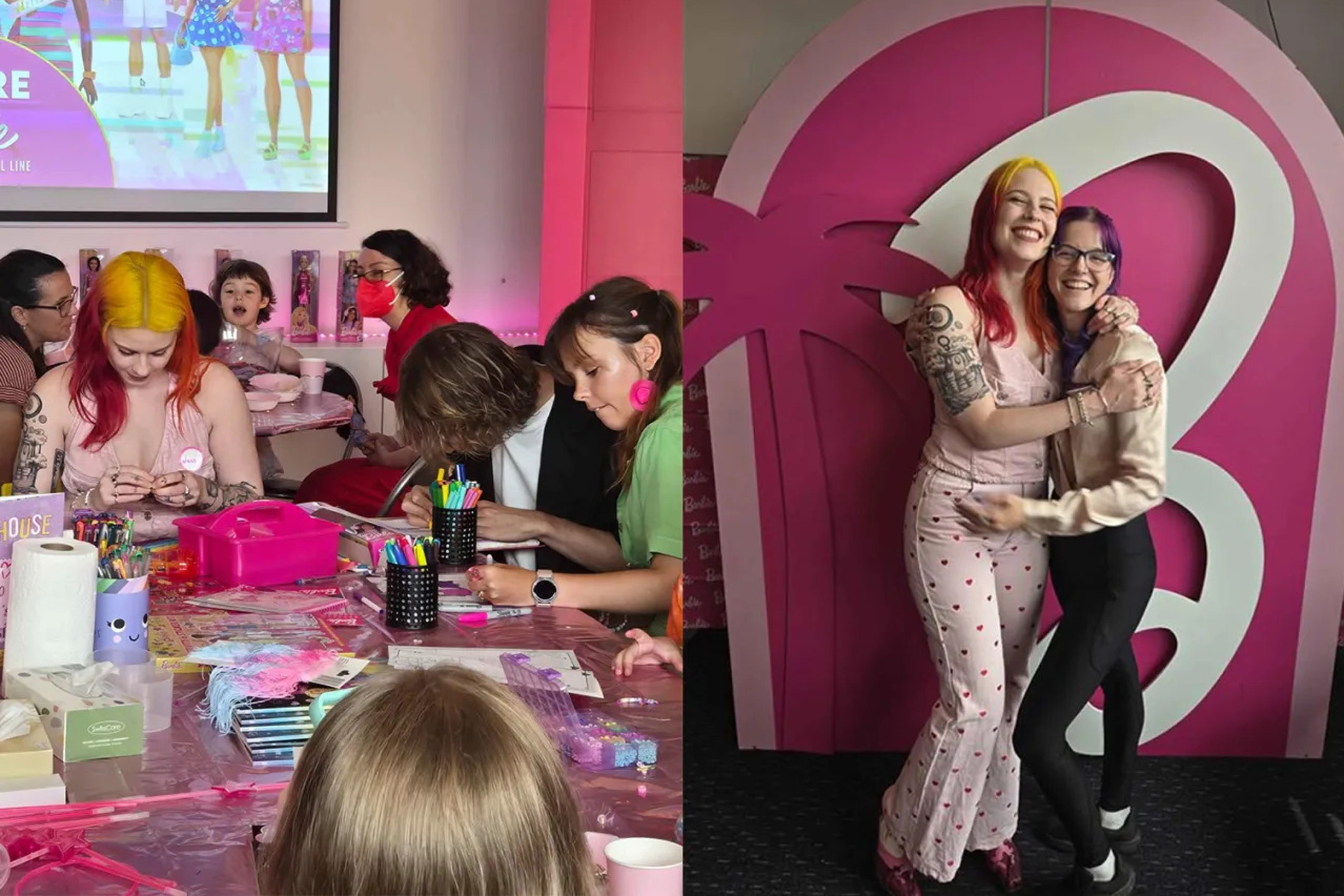
When our CEO, Jess, was invited to a celebration hosted by Yellow Ladybugs marking the release of Autistic Barbie, this felt like more than just a product launch.
As an autistic woman, Jess grew up surrounded by dolls that reflected a narrow idea of girlhood.
None captured her sensory world, her ways of communicating, or how she experienced social spaces.
Being in a room filled with autistic girls and women celebrating a doll that openly names autism felt affirming in a way that was understated but deeply meaningful.
The mere existence of Autistic Barbie means that things are changing for the better for the next generation of autistic girls and women. Growing up in regional Victoria, there were no support groups or programs for people who shared her experiences.

Having anything to rally around and connect through, however imperfect, means that future generations won’t have to feel so alone.
The quiet power of being seen
When young people encounter affirming representations of disability and neurodivergence, whether through community, media or something as simple as a doll, they gain more than reassurance.
They begin to imagine futures where they are competent, connected, and valued. Their worlds are open, and suddenly, their headphones, fidget spinners and communication boards don’t feel like points of difference, but representations of the community they belong to.
Autistic Barbie will never represent everyone, and she does not need to.
What matters is that she exists, alongside many other voices and stories, as part of a growing commitment to visibility, dignity and hope.
Barbie can be anything – a chef, an astronaut, even an Olympic athlete. And now, the world can understand that for some Barbies, supporting sensory and communication needs is a natural part of fulfilling her destiny.
Jess Rowlings, is CEO and co-founder, Next Level Collaboration; Associate Professor Matthew Harrison, is Associate Professor in Learning Intervention Education, Faculty of Education, University of Melbourne≥
Main Image: CEO of Next Level Collaboration Jess Rowlings attended a celebration of the release of Autistic Barbie. Picture: Supplied.
Autism Barbie image: Mattel