

03 Jul The German secret (and other tips) to keep your home healthy this winter
When we seal our homes to keep heat in, we also capture moisture and allergens, affecting the air we breathe, writes Rebecca Bentley. Here’s a few simple ways to fix it
But for a great many of us, renters and homeowners alike, our warm and tightly sealed homes could be quietly making us sick.
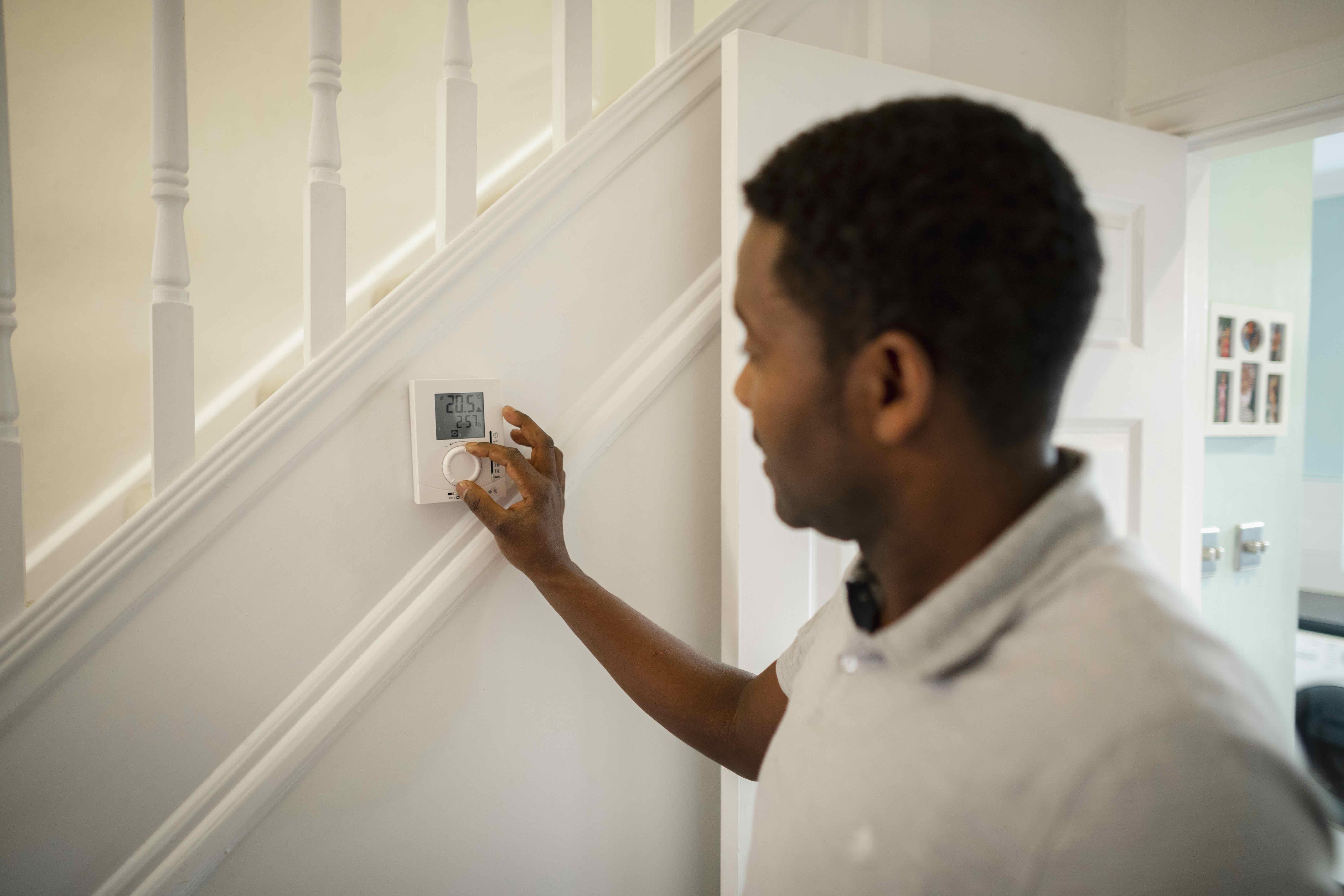
In our research, we look at how housing affects the health of our bodies and minds.
We also know from other research groups that the more we try to save energy by sealing our homes and trapping heat, without ventilation, we risk creating a damp, stagnant environment that harms our wellbeing.
But there are some simple solutions that could make all the difference.
The air we breathe
Ventilating a home is not just about clearing out a stuffy smell; it’s a sensible public health measure like wearing sunscreen or using seatbelts in cars.
Clean indoor air reduces concentrations of allergens, viruses and particulate matter. Unless affected by structural issues like a leaking roof, a well-ventilated home is more likely to be free of mould and damp.
When ventilation fails, however, the consequences for health are important.
For the millions of Australians with chronic respiratory conditions like asthma or chronic obstructive pulmonary disease (COPD), poor air quality triggers flare-ups.
For the immunocompromised, mould exposure poses a serious risk of infection. And especially during flu season, the risk of viruses spreading through a household increases significantly with poor ventilation.
The conditions that lead to poor air quality do not affect physical health alone. In fact, the biggest effect of living in cold homes may be on our mental health.
Our research has found a strong link between cold indoor temperatures and psychological distress.

We estimate that around 60 per cent of Australia’s burden of disease from indoor cold stems from negative effects on mental health and wellbeing. And when people can’t keep their home warm or dry, their odds of reporting depression or anxiety increase by 49 per cent.
There is also growing evidence that exposure to mould and damp in homes negatively affects mental health.
Australia’s housing blind spot
Traditionally, Australian homes were built to breathe.
Expansive verandas, high ceilings, and timber floors on stumps were common features in many homes to keep them cool in the scorching summer.
Large, wraparound verandas could even be used for sleeping during hot weather. But as you can imagine (and may have experienced yourself), these homes are hard to heat in cold weather.
When energy was cheap, we could pump homes full of warmth.
With rising energy costs, a shifting energy landscape in relation to our use of renewables and coal and awareness of our environmental footprint, modern airtight construction makes more sense.
Through insulation, double and triple-glazing, we can reduce the cost of heating and cooling a home. But these changes to building practices have had implications for our health and the way we live in our homes.
Airtight homes require management of ventilation and moisture.
What is Lüften?
In Germany, there is a practice called Lüften. Or as popularised on TikTok, House Burping.
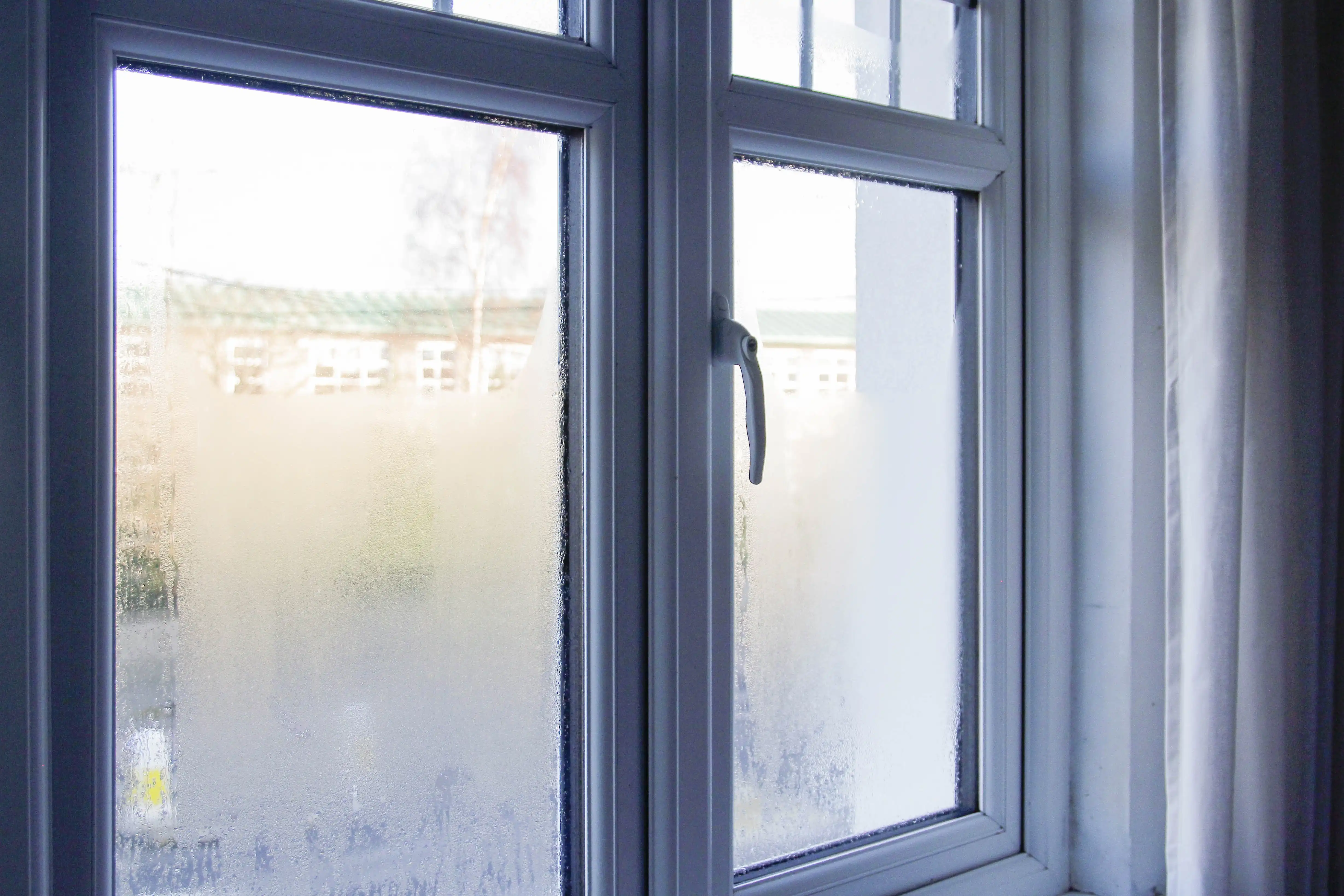
It is the simple act of opening windows and doors for a short 10-15 minute burst twice a day, letting the house breathe in clean, fresh air.
This is not the same as leaving a window open all day, which just leaks heat. Lüften is a deliberate exchange.
You let the stale, moist air out and the fresh, dry air in by opening windows on opposite sides of the house to let the air circulate.
Even in the dead of winter, this is effective and can help you avoid the adverse health impacts that can come with trapping heat inside.
Because dry air is easier (and cheaper) to heat than damp air, a quick burst of fresh air could actually make your heater more efficient.
Heal your home this winter
Unless your home has a sophisticated mechanical ventilation system, you must manage air quality yourself. Here is the Healthy Housing Centre for Research Excellence’s generalised guide on how to approach it:
- Practice Lüften: Open windows on opposite sides of the house for 10 minutes in the morning and evening to create cross-ventilation. Best used with fly screens in Australia.
- Manage wet areas: Always use exhaust fans in bathrooms and kitchens.
- Use fans (if you can): It sounds counterintuitive, but ceiling fans, or floor fans on a low setting can help move air through a room, preventing moisture from settling on surfaces.
- Apartment/unit strategy: If you live in an apartment with windows on only one side, a floor fan can push air toward the window to encourage exchange.

The rental reality
For many Australians, managing their home is not enough.
If you are in a rental with a leaking roof or structural damage, no amount of window-opening will solve the problem.
Our research is part of a broader effort to highlight these systemic issues.
As we come into winter and many people are battling the cold both inside their homes and out, reminders about how to maintain mental and physical health are increasingly important.
To do this, we shouldn’t focus on single aspects of the home in isolation. Our warmth, our energy bills and our air quality are all interconnected.
For the thousands of tenants who discover mould only after they’ve moved in, we’ve developed a checklist for your next inspection to help protect your health and your rights.
Professor Rebecca Bentley, is a Director, NHMRC Centre of Research Excellence in Healthy Housing, Melbourne School of Population and Global Health, Faculty of Medicine, Dentistry and Health Sciences, University of Melbourne