16 Oct Turning Fear into Fun: How Paramedics Are Calming Kids in Emergencies
Monash University gives paramedics a playful helping hand: new kits to calm kids in crisis
Why calming children matters in an emergency
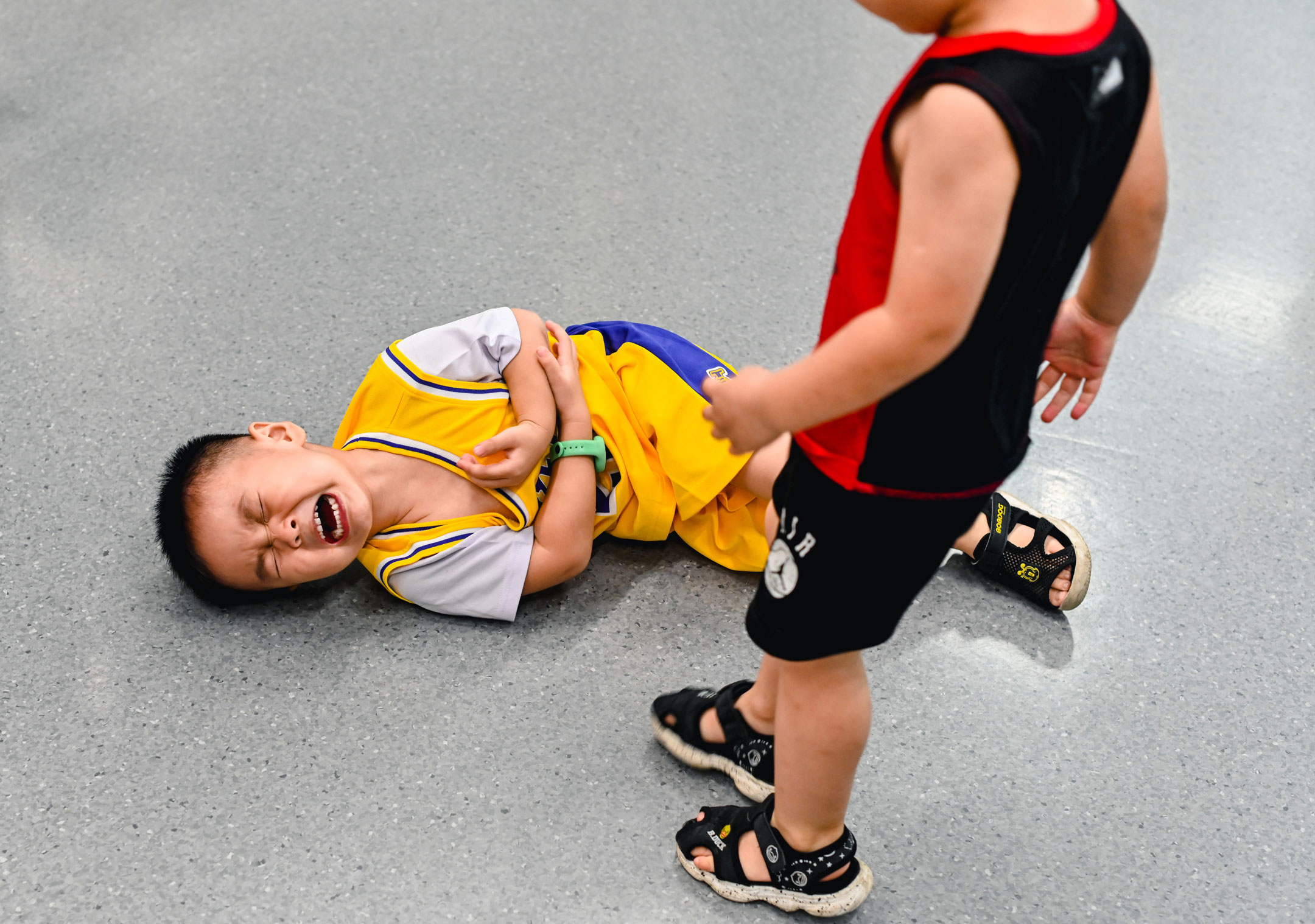
Children being rushed to the hospital often face more than physical pain – they also experience fear and distress that can complicate treatment. To address this, Monash University and Ambulance Victoria are trialling research-led paediatric distraction kits designed to calm children during ambulance care.
Associate Professor Kathryn Eastwood, ASM from Monash University, and Katrina Sedgwick, a paramedic and manager at Ambulance Victoria, lead the initiative. While distraction therapy is the gold standard in emergency departments, little research has tested which tools are safe and effective in the prehospital setting.
Simple tools that make a big difference
Associate Professor Eastwood said the study focused on identifying practical tools for ambulances, where space is tight, infection control is vital, and every second counts.
“Distraction is more than play – it’s a clinically recognised way to help children cope with fear and pain,” she said. “Our work was about finding what works in the back of an ambulance, then putting it into a kit paramedics can use straight away.”
The kits include simple, low-cost items such as bubbles, sensory fidgets and story cards. Each was chosen to shift attention, reduce distress and encourage cooperation during treatment.
Families and paramedics share positive feedback
Ms Sedgwick, who is leading the Ambulance Victoria rollout, said feedback from both paramedics and families has been overwhelmingly positive.
“Children often don’t understand what’s happening and can become frightened or resistant,” she said. “These kits give paramedics a practical, evidence-based way to connect. Parents also feel reassured when they see their child engaged rather than distressed.”
Research shows children’s pain is often under-treated before hospital arrival, with up to 85 per cent receiving no relief. Reducing anxiety and improving cooperation may also make pain medication more effective when administered.
A collaborative effort
The distraction kits were developed with Kaiko Fidgets, Melbourne-based specialists in sensory tools; TLC for Kids, experts in distraction therapy; and Child Life Therapists from the Royal Children’s Hospital. Together, they ensured the kits are safe, evidence-based and suitable for emergency use.
If successful, the program could see distraction kits rolled out across Victoria and potentially adopted nationwide.
“This is about giving paramedics access to the same support hospital staff have relied on for years,” Associate Professor Eastwood said. “Our goal is to make children’s emergency care less traumatic – for both families and clinicians.”