28 May Why parents want clearer screen ratings for scary movies, shows and games
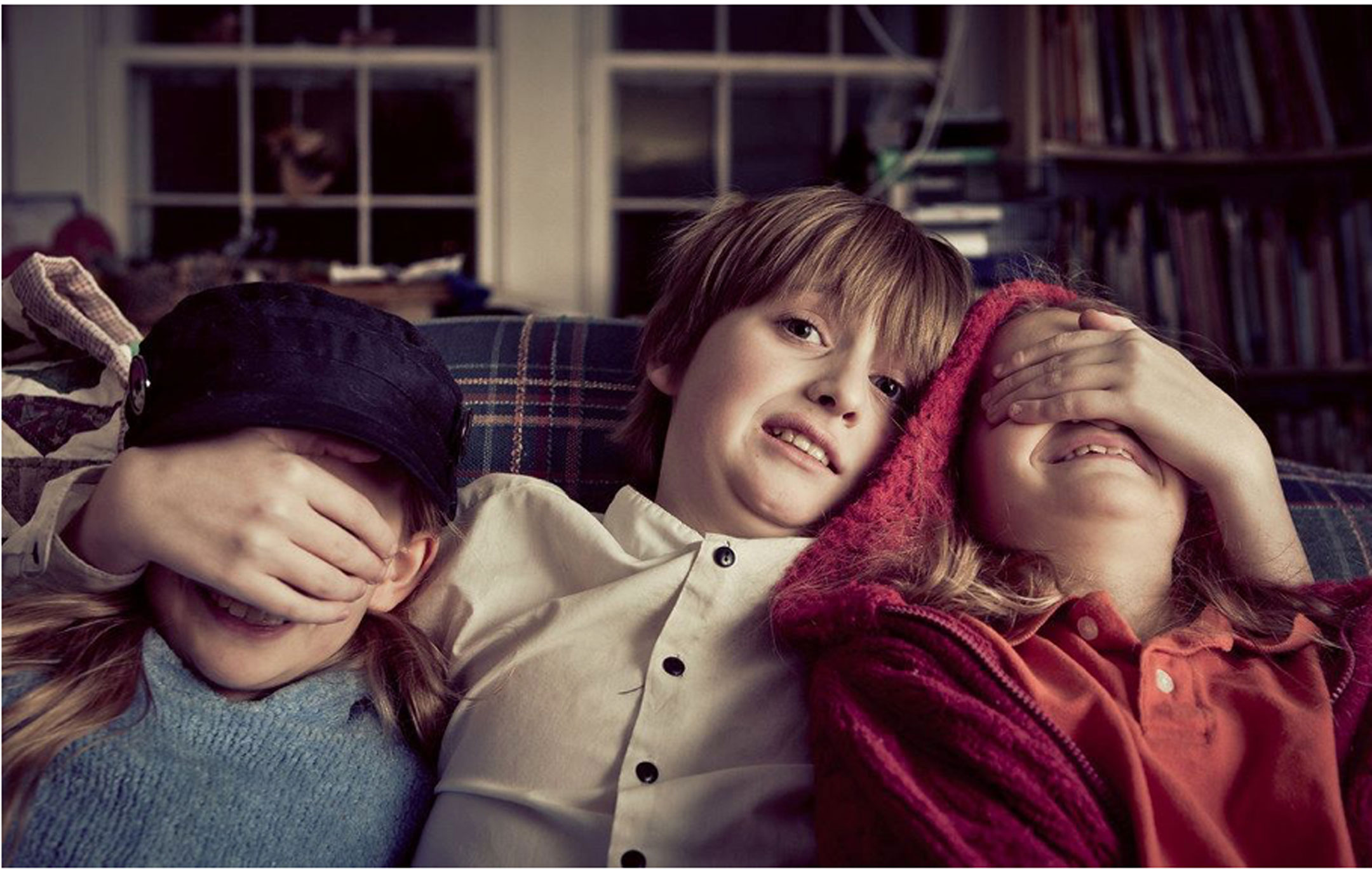
Many parents know the feeling: a movie is rated PG, but ten minutes in, the kids are hiding behind cushions. New Australian research suggests families want screen ratings that better flag scariness, self-harm, sexual violence and age suitability.
New Australian research says parents want clearer screen ratings, including warnings for scariness, self-harm and sexual violence, and more age-specific guidance for children.
Choosing something “family friendly” to watch sounds simple enough — until a PG movie suddenly becomes too frightening, too intense or too confusing for your child.
Now new Australian research suggests many parents are finding the current film, television and video game classification system too vague to be genuinely useful.
A CQUniversity study for Children and Media Australia found 86 per cent of surveyed parents want “scariness” included in classifications, while more than half said they would prefer clearer age-based guidance across the broad PG category. Parents also wanted more specific warnings when content includes sexual violence, suicide or self-harm, rather than general labels such as “mature themes”.
Why PG can feel too broad for families
Most parents have discovered that one child’s “not scary” can be another child’s nightmare fuel.
The research report, Time to Listen: Why Australian parents need a better media classification system, argues that the PG category can be difficult for families because it covers a wide age range and relies heavily on parents interpreting content descriptors such as “mild themes” or “moderate impact”.
Lead researcher Dr Fae Heaselgrave, a CQUniversity Media and Culture academic, says Australia’s current classification scheme has been in place since 1995, despite major changes in how children now watch and play — from streaming platforms to on-demand entertainment and video games.
For parents, the challenge is often practical: is this suitable for a five-year-old, a nine-year-old or only for older children?
Parents want “scariness” named clearly
One of the strongest findings was that parents want scary content identified more clearly.
This does not only mean violence. Parents in the study pointed to jump scares, suspenseful music, frightening images and intense scenes that can stay with children long after the screen is turned off.
As one parent in the study put it: “I wish they would include scariness in the G/PG ratings. I know I can’t show my kids any PG because they get scared too easily and there’s no way to know in advance.”
That will ring true for many families. Some children are unbothered by fantasy battles but deeply upset by separation scenes, dark music, monsters, bullying or a character in danger.
Age-based ratings may be easier to understand
The study also asked parents to compare the Australian system with a system used in parts of Europe, which includes more specific age categories such as all ages, 6, 7, 9, 12, 14, 16 and 18.
More than half of parents surveyed said they would prefer a system with similar age-based classifications.
Researchers argue this could better reflect children’s different developmental stages, rather than asking parents to decode broad labels such as G, PG and M.
What parents can do now
The Australian Government is currently seeking public feedback on proposed updates to the National Classification Scheme, with submissions closing Friday 29 May 2026 at 5:00pm AEST.
For parents and carers, this is a chance to explain what information would actually help when choosing movies, shows and games for children.
In the meantime, parents may still need to do a little extra checking before pressing play. Look beyond the rating, read the content advice, check parent reviews where available, and trust your knowledge of your own child. A rating can be a guide, but it cannot always predict what your child will find upsetting.
Parent takeaway
Before choosing a movie, show or game, ask:
- Does the rating explain why it has been classified that way?
- Are there frightening scenes, jump scares or intense music?
- Is the content right for my child’s age and temperament?
- Would I want to watch the first few minutes with them before deciding?
- Is there a plan if they become scared or upset?
For many families, clearer ratings would not replace parental judgement — they would simply make that judgement easier.