
22 Apr AI Wearables in Schools: Helpful Learning Tool or Too Much Surveillance for Kids?
From smartwatches to AI-powered glasses, wearable tech is quietly entering classrooms. While these devices could support learning and wellbeing, experts warn they also raise big questions about privacy, pressure and fairness for students.
AI wearables are already in classrooms—whether schools like it or not
Could your child’s classroom soon include smart glasses that translate lessons, or a ring that tracks stress during exams? It might sound futuristic, but according to Professor Ritesh Chugh, an expert in information and communications technology, “some of this is already here.”
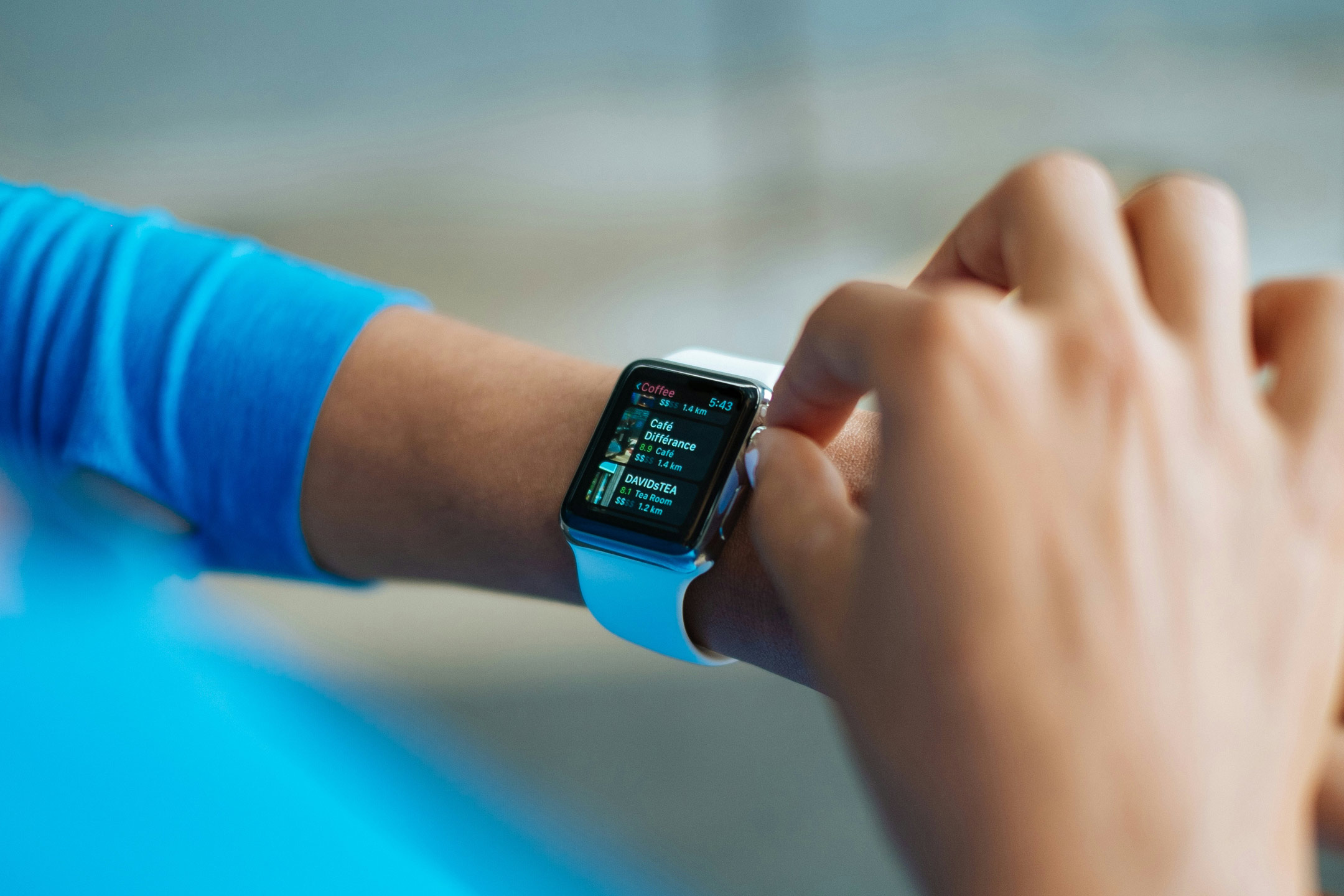
AI wearables—like smartwatches, earbuds and glasses—can collect data and provide real-time feedback. For students, that could mean reminders to stay focused, tools to help with language barriers, or even alerts when stress levels rise.
But while the technology is advancing quickly, schools—and families—are still working out where the boundaries should be.
The upside: support, inclusion and engagement
There’s no doubt these tools have potential. Studies suggest wearable devices can help students stay engaged, manage their learning and even improve performance.
For some children, the benefits could be significant. Smart glasses that display live captions may help students who are deaf or hard of hearing, while real-time translation could support children learning English.
As Professor Chugh explains, these tools can make “information instantly available” and allow teachers to adjust lessons in real time.
For busy classrooms, that kind of immediate feedback could be powerful.
The concerns: privacy, pressure and distraction
However, the same features that make AI wearables useful also raise serious concerns.
Devices like smartwatches and rings can track heart rate, sleep and even location. In a school setting, that level of monitoring can feel intrusive. As Professor Chugh notes, these tools risk exposing students to “heightened surveillance” and data privacy issues.
There are also practical worries. Earbuds, for example, could be used for cheating or tuning out in class. Smart glasses could potentially record audio or video without others knowing.
And then there’s the emotional impact. Constant monitoring may leave some students feeling anxious or under pressure, rather than supported.
Not every child will benefit equally
Another key issue is equity. Not all families can afford the latest tech—and if wearables become part of everyday learning, that gap could widen.
Schools also face challenges in using the data responsibly. Without proper training, teachers may misinterpret alerts or rely too heavily on technology rather than their own judgement.
What parents should watch for
AI wearables aren’t going away. In fact, they’re likely to become more common.
The real question is how schools manage them. Clear policies, strong privacy protections and proper teacher training will be essential to ensure these tools support students—rather than monitor them.
As Professor Chugh puts it, the challenge is making sure they “support students instead of distracting, dividing or surveilling them.”
For parents, it’s worth asking:
- What devices are allowed at your child’s school?
- What data is being collected—and who can access it?
- And most importantly, is the technology helping your child feel more confident, or more controlled?