
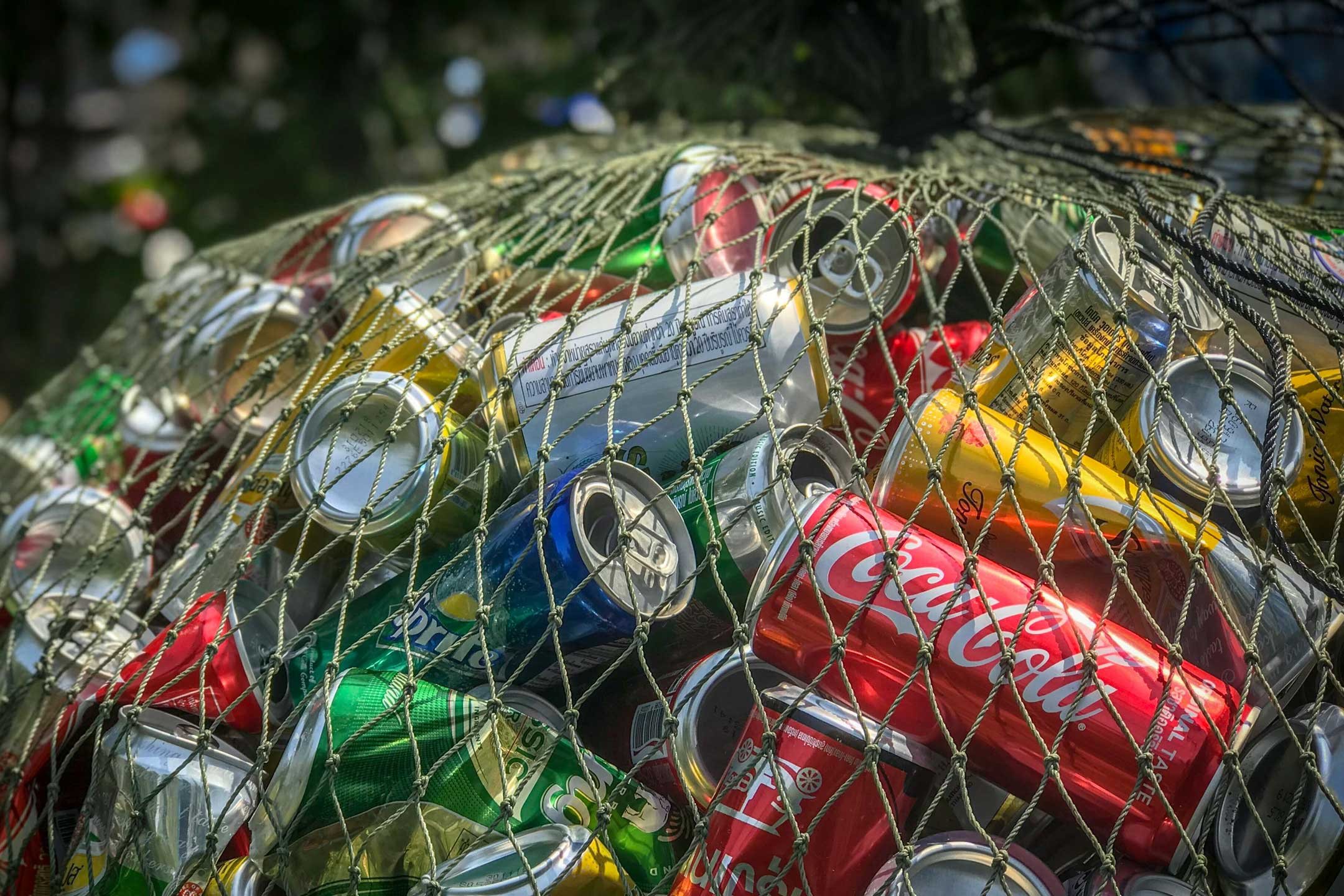
19 Mar Cans, Glass or Plastic? The Best Choice for the Planet Might Surprise You
Australians buy billions of drink containers every year, but not all packaging is recycled equally. Understanding what happens after a can or bottle goes in the recycling bin can help families make small choices that reduce waste.
Billions of drink containers every year
Australians buy enormous numbers of packaged drinks every year — from soft drinks and sparkling water to juice and iced tea. These beverages are typically sold in three main types of containers: aluminium cans, plastic bottles and glass bottles.
Across Australia, container-deposit schemes now see more than seven billion bottles and cans returned each year, highlighting both how many containers we use and the growing effort to recycle them.
Globally the scale is even larger. Around 350,000 aluminium cans are produced every minute worldwide.
All of this raises an important question for families trying to reduce their environmental footprint: which container is actually recycled most effectively?
What happens when you recycle a drink can
When a drink can goes into the recycling bin, it begins a surprisingly efficient journey.
First, the container is transported to a materials recovery facility, where machines sort recyclables into different materials such as aluminium, glass, plastic and cardboard.
Advanced technology — including magnets, optical sensors and eddy-current systems — separates aluminium cans from other waste.
Once sorted, the cans are:
- compressed into large bales
- transported to specialised recycling facilities
- shredded and cleaned
- melted down in furnaces.
The molten aluminium is then cast into large blocks and rolled into thin sheets used to manufacture new cans.
In some cases, a recycled aluminium can can return to shop shelves as another drink can within about two months.
Why aluminium performs well in recycling
One reason aluminium is widely recycled is that it can be reused again and again without losing quality.
Recycling aluminium also uses up to 95 per cent less energy than producing new aluminium from raw materials.
Even a single recycled can can save a surprising amount of energy — enough to power a television for several hours.
Because aluminium retains its value and is easy for recycling systems to identify and separate, it is one of the materials most commonly recovered and reused.
Glass and plastic: different recycling challenges
Glass bottles can also be recycled multiple times, but they are much heavier than aluminium cans, which means transporting and processing them requires more energy.
Plastic bottles are lightweight and inexpensive to manufacture, which is why they are so widely used. However, recycling plastic can be more complicated.
Different types of plastic must be sorted carefully, and contamination — such as food residue or mixed materials — can prevent bottles from being recycled successfully.
As a result, recycling rates for plastics can vary significantly depending on how well materials are sorted and cleaned.
The small action that makes the biggest difference
Despite the advanced technology used in recycling plants, the most important step happens much earlier — in our homes.
Simply placing cans and bottles in the recycling bin instead of general rubbish dramatically increases the chance they will be reused.
Small everyday habits can add up. If every Australian recycled just one extra drink container each day, billions more containers could be diverted from landfill each year.
For families, the takeaway is simple: recycling may feel like a small action, but when millions of households do it consistently, it makes a significant difference.
Recycling can also be a great way to get children involved in caring for the environment. Here are a few fun recycling facts to share with kids.
♻️ Recycling Facts for Kids
Recycling drink containers might seem like a small thing, but it can make a big difference. Here are some fun facts kids might enjoy:
🥤 A can can come back fast
An aluminium drink can can be recycled and back on shop shelves as a new can in about 60 days.
⚡ Recycling saves energy
Recycling just one aluminium can saves enough energy to power a television for around three hours.
🔁 Aluminium can be recycled again and again
Unlike some materials, aluminium can be recycled over and over without losing quality.
🌏 Millions of containers are returned in Australia
Australians return billions of bottles and cans every year through recycling and container-deposit schemes.
💰 Kids can recycle and earn money
In many Australian states you can take empty drink containers to special collection points — often called “Return and Earn” or container-deposit centres.
Families usually receive 10 cents for each eligible container. You can keep the money or donate it to a charity, school or community group.
🏫 Schools and sports clubs often collect containers
Some schools and community groups run recycling drives to raise money for equipment, excursions or community projects.
Information supplied by Maddy Gupta, founder and CEO of Manhari Recycling
State-Specific Schemes:
-
- NSW: Return and Earn
- VIC: CDS Vic
- QLD: Containers for Change
- WA, SA, NT, ACT: Similar state-based CDS networks exist.