14 May Cluttered Kids, Stressed Homes: How to Take Back Control (Without Losing Your Mind)
Drowning in toys, books and “stuff”? Decluttering expert Peter Walsh shares practical, sanity-saving ways to reset your home — and raise more responsible, organised kids in the process.
Start with what you want from your home
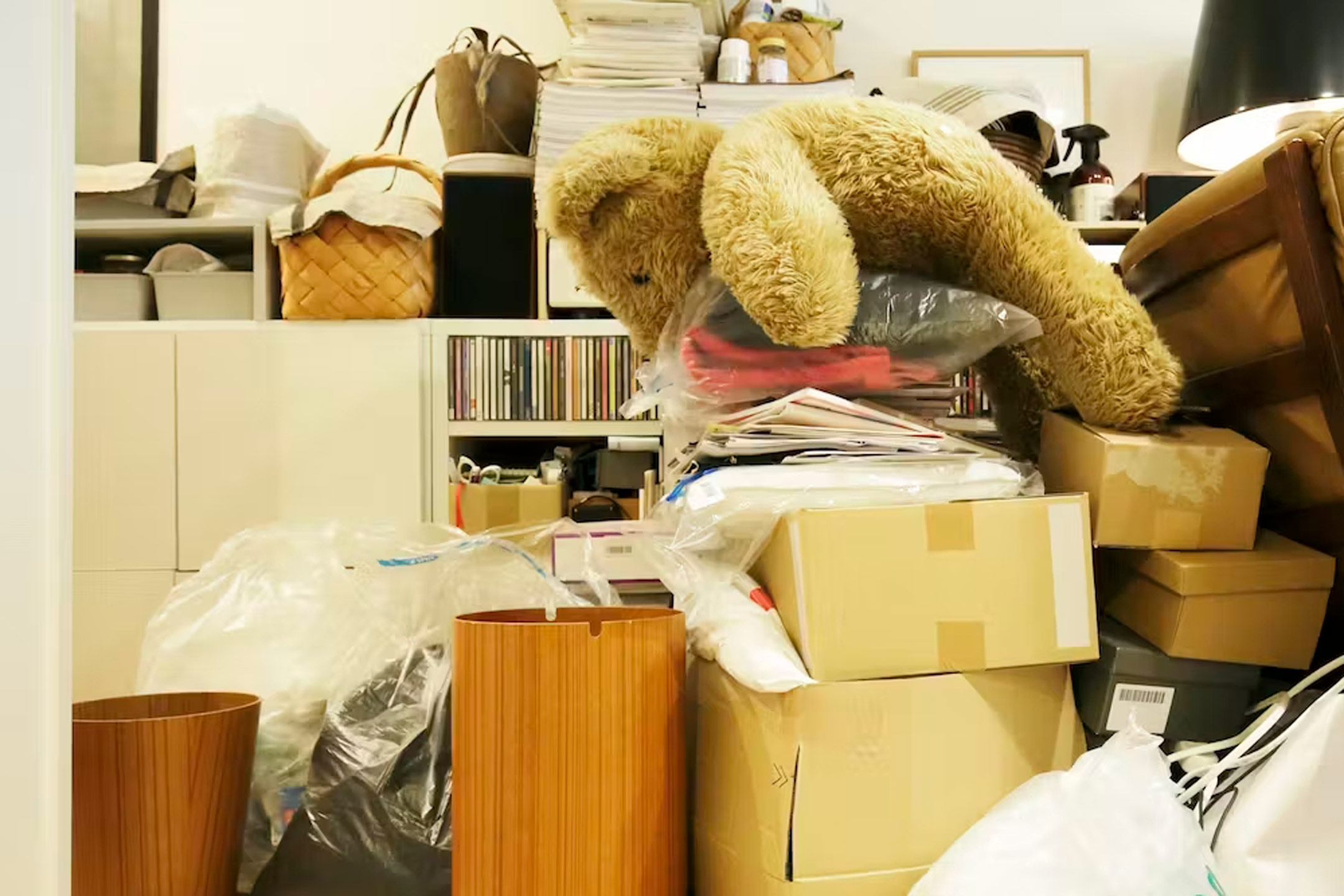
“Do you own your kids’ stuff or does it own you?” It’s a confronting question — but one that cuts to the heart of family clutter.
When it comes to decluttering, Walsh says the most important word is “from”.
“Don’t ask, ‘What do I want for my bedroom?’ Ask, ‘What do I want from the room?’”
It’s a simple shift, but a powerful one. Parents often say they want a calm, kid-free sanctuary — yet toys creep into every corner.
“The stuff you own should help you create the life you want.”
The same thinking applies to parenting.
“Don’t ask, ‘What do I want for my kids?’ Ask, ‘What do I want from my kids?’ If I give this toy to my child, will it give me the honest, responsible, generous child I want?”
Why clutter matters more than you think
This isn’t just about mess — it’s about wellbeing.
Research links clutter to increased stress, anxiety and even poor focus. Studies have found:
- Higher levels of cortisol (the stress hormone), especially in mums
- Reduced concentration in cluttered environments
- Lower academic performance in messy classrooms
Walsh has seen it firsthand:
“I have clients with kids on the autism spectrum whose behaviour, learning and focus increased dramatically after de-cluttering.”
And the emotional payoff?
“In 12 years, every single time I have de-cluttered, the kids in the house dance – every time.”
The “fork principle” that changes everything
Once you’ve cleared the excess, the next step is managing what stays.
Walsh’s “fork principle” is simple: everything needs a home.
“You know where a fork lives – in the kitchen drawer. It has to be the same with all the things in your home.”
That means:
- Lego builds have a designated space
- Toys don’t migrate across the house
- Storage matches how your kids actually use things
It’s not about perfection — it’s about predictability.
Respect your space (and its limits)
One of the biggest mistakes families make is ignoring the physical limits of their home.
“The space in your home is finite and you need to respect the physical limits of your home.”
Set clear boundaries:
- Decide how much space toys can take up
- Use fixed containers (like two toy bins)
- When they’re full, something has to go
This creates a natural system — and avoids endless overflow.
Teach kids to let go (and give back)
“We have all these rituals for things coming into the home… but we have no rituals for getting rid of things.”
Creating those rituals is key.
Walsh suggests involving kids directly:
“Get your kids to take the toys to Vinnies and talk to the volunteers about it.”
It’s not just about clearing space — it builds:
- Generosity
- Decision-making skills
- An understanding of value
Routines and limits: the real game-changers
Decluttering isn’t a one-off event — it’s a habit.
“Kids need two things: routines and limits.”
Simple daily systems make a big difference:
- Pack away toys before dinner
- Reset rooms before bed
- Put things back before heading out
This helps children see themselves as contributors, not just consumers.
And parents? You’re not off the hook.
“Don’t expect your kids to stick to a system if you don’t model one yourself.”
Peter Walsh’s practical clutter fixes for families
Make storage mobile and flexible
A wheeled cart for toys or books means kids can bring items out — and pack them away easily.
Create spaces kids actually use
If your child loves reading under the stairs, embrace it.
“The way you store and display things sends a message to kids.”
Bring everything down to their level
Wardrobes designed for adults don’t work for kids. Lower rods, baskets and shelves make independence easier.
Set up a “family command centre”
Hooks for bags, a whiteboard for notes, and a place for school papers can eliminate daily chaos.
Contain outdoor chaos
Use bins for sports gear — even keep one per child or activity in the car boot for easy access.
Display what matters
“Honour and respect is the difference between collectibles and clutter.”
If it’s worth keeping, display it properly.
Digitise the paper trail
Keep only the best artwork and certificates, then photograph and store them digitally.
Turn it into a yearly tradition — a highlight reel instead of a paper pile.
The bottom line
Decluttering isn’t about having a perfect home — it’s about creating a space that supports your family.
When you focus on what you want from your home — calmer mornings, less stress, more independence — the decisions about what stays (and what goes) become much clearer.
And the bonus? Kids learn organisation, responsibility and generosity along the way.
Source: Original article by Peter Walsh (2015), updated for today’s families.