
23 Jul Easy ways to pack a low-waste school lunchbox
Packing a school lunch without disposable wrappers does not have to involve expensive containers or a complete kitchen overhaul. A few reusable basics can cut down waste, save money over time and make lunchbox packing easier.
Start with simple reusable swaps
A sturdy lunchbox with separate compartments is one of the easiest ways to avoid individual packaging. Small reusable containers can hold yoghurt, crackers, fruit, dips and other snacks, while a reusable drink bottle replaces juice boxes and disposable water bottles.
Other easy swaps include:
- packing whole fruit instead of fruit in plastic cups or pouches
- buying larger packets of crackers, cheese or dried fruit and dividing them into smaller containers
- using reusable cutlery when needed
- adding a washable cloth napkin
- choosing sandwiches, muffins and snacks that do not require individual wrapping
There is no need to replace everything at once. Use the containers and lunch bags you already own, then replace worn items with durable reusable options when necessary.
Keep lunches cool and safe
Reducing packaging is important, but food safety comes first. Foods such as yoghurt, cheese, eggs, meat and cooked leftovers should be kept cold.
Use an insulated lunch bag with a frozen ice brick or drink bottle, and keep the packed lunch in the refrigerator until it is time to leave for school. Remind children to keep their lunch bag out of direct sunlight and throw away perishable food that has become warm or has been sitting out for too long.
Families should also check their school’s guidelines about nuts, allergens, rubbish and food scraps.
Weekend project: make a simple beeswax wrap
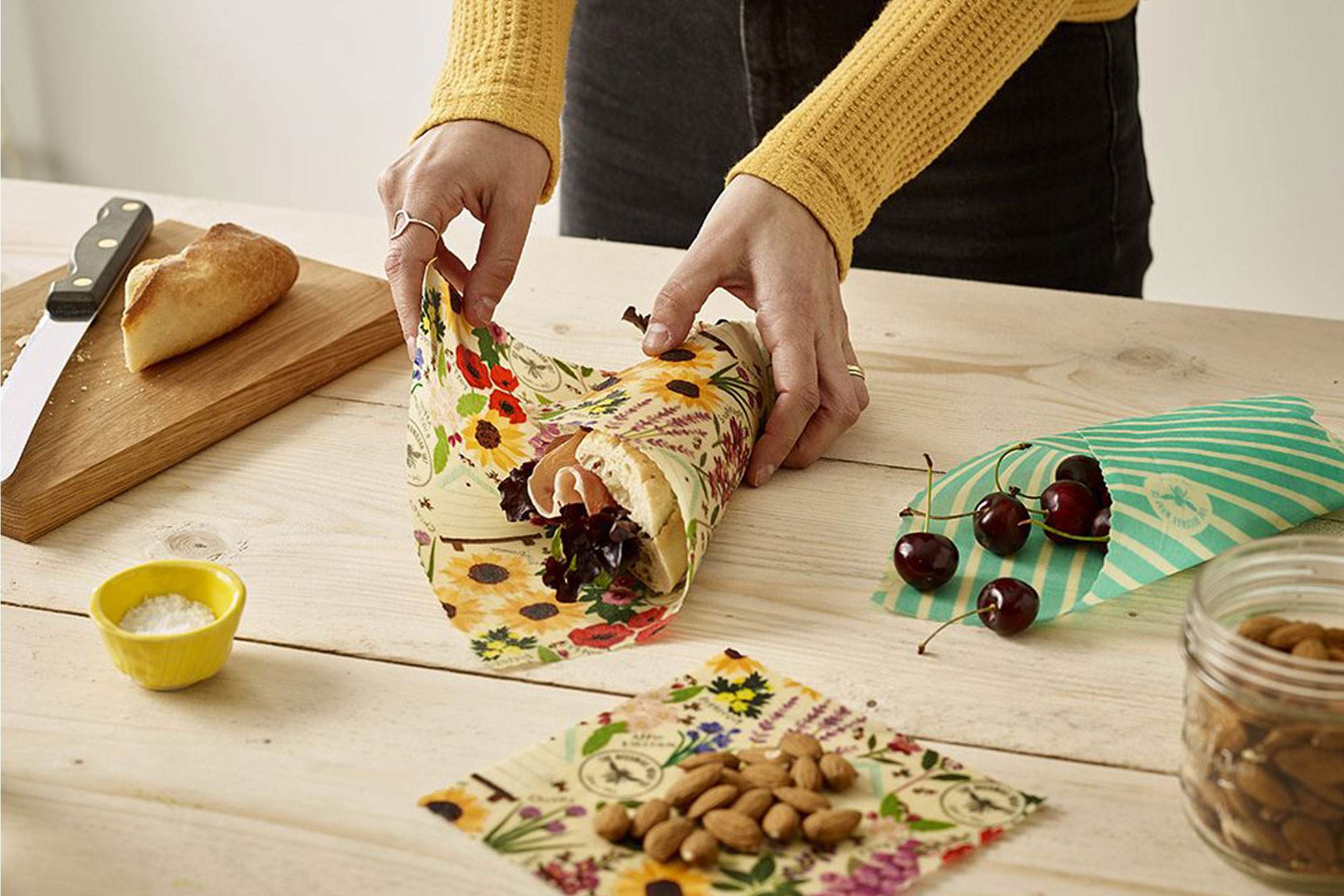
Beeswax wraps can be used to cover sandwiches, fruit, vegetables, bowls and some firm cheeses. Making them is an adult-led activity because it involves a hot iron and melted wax.
You will need
-
- clean, dry squares of tightly woven cotton fabric
- grated food-grade beeswax
- an old or inexpensive iron
- a piece of cardboard
- two sheets of greaseproof paper, larger than the fabric
Protect your work surface and keep children away from the hot iron.
Method
Place the cardboard on a flat surface and set the iron to medium heat.
Lay one sheet of greaseproof paper over the cardboard and place a fabric square on top. Sprinkle a thin, even layer of grated beeswax across the fabric, including the edges.
Cover it with the second sheet of paper and gently iron until the wax melts into the fabric. Lift the top paper carefully and check for dry patches. Add a little more wax if needed, replace the paper and iron again.
Allow the wrap to cool before peeling it away from the paper.
Caring for beeswax wraps
Wash wraps in cool water with a small amount of mild dishwashing liquid, then leave them to air-dry. Do not place them in a dishwasher or microwave, and keep them away from hot food.
Avoid using beeswax wraps for raw meat or raw fish because they cannot be washed at the high temperatures needed to remove harmful bacteria. Replace wraps when the coating becomes cracked, heavily stained or difficult to clean.
 What to pack: low-waste lunch ideas
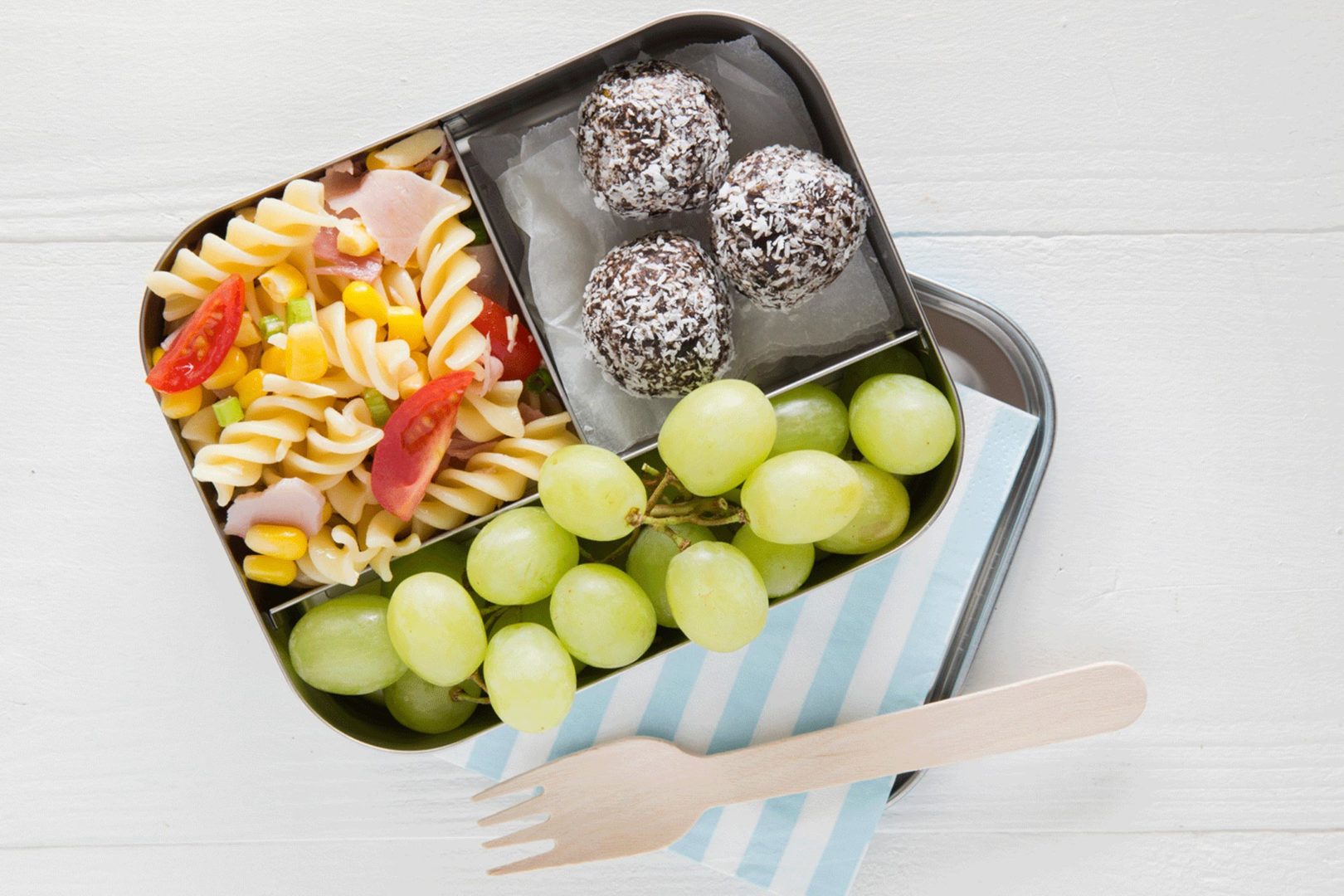
Try combining one main item, one or two snacks and a piece of fruit:
- sandwiches, wraps or rolls packed in a reusable container
- pasta salad, rice salad or leftovers in a leakproof lunchbox
- homemade muffins, pikelets or savoury scrolls
- vegetable sticks with hummus or another dip
- cheese cubes with crackers bought in a larger packet
- yoghurt spooned from a larger tub into a small container
- popcorn, dried fruit or trail mix in a reusable snack box
- whole fruit such as apples, mandarins, bananas or pears
- chopped fruit packed in a sealed container
- tap water in a reusable drink bottle
Choose foods your child is likely to eat and keep portions realistic. Uneaten food creates waste too, so smaller serves with the option of an extra snack can work better than an overfilled lunchbox.