
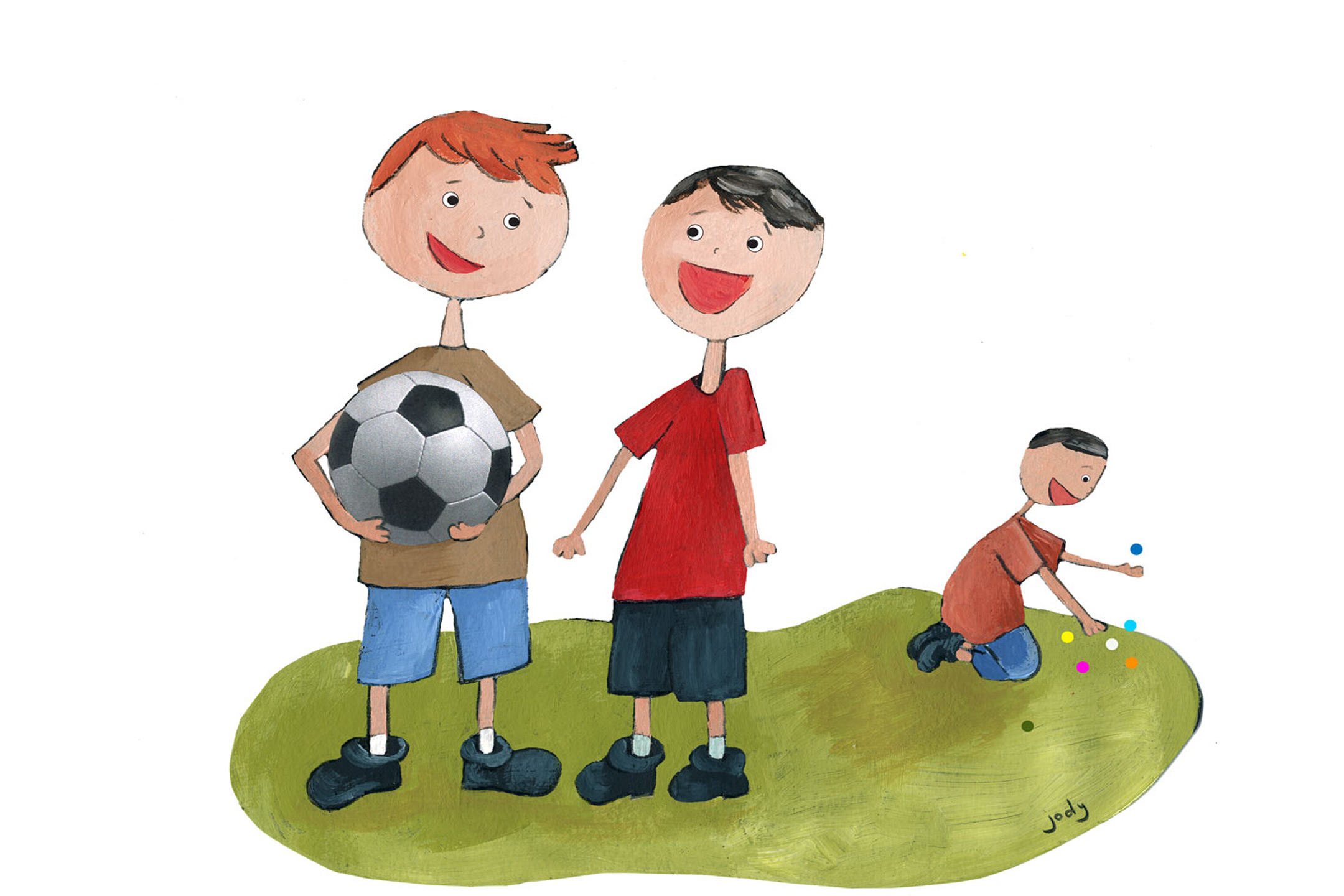
18 Sep Raising a Shy Child: One Mum’s Journey to Nurturing Confidence and Friendship
Katrina Germein writes about her son’s shyness and her efforts to help him socialise.
The Lightning-Bolt Realisation
A friend once told me that when her son turned three, she realised he wasn’t sporty. He preferred books and indoor play over running and kicking balls. That moment stayed with her—accepting who her son really was.
I had my own lightning bolt when my son turned three. I suddenly saw how shy and socially awkward he was. Not in a disapproving way, but in a surprising and confusing way. He found it frightening even to respond to a greeting. At home, he was happy, talkative, and full of energy, but in public, he avoided people and barely spoke, even to me.
His third birthday sealed it. While our lounge was full of people and presents, he sat in another room watching a DVD, too overwhelmed even to smile at his grandparents. That day, I stopped expecting him to be someone he wasn’t.
 Learning to Accept Him
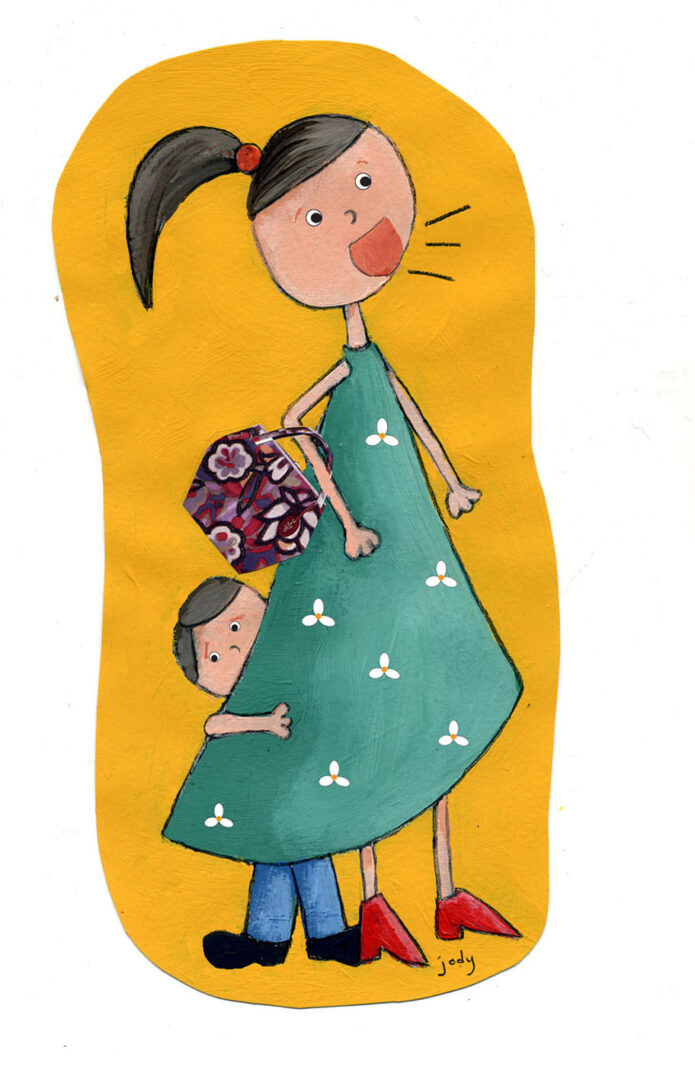
Once I recognised that my son wasn’t being rude, just overwhelmed, I relaxed. He was clever, thoughtful and timid. I stopped pushing him in social situations, and he began to relax, too—though only mildly.
I spoke with adults who had been shy children. I reminded myself that my son had years ahead to learn social skills. Still, I felt it was important for him to practise greetings and to believe he had friends, even if he didn’t. Friendship is central to childhood, and I worried that he might notice his loneliness.
Cultivating Friendships
Like many parents, I arrange playdates and regularly take my kids to the park. I tried to give him the same children around often enough to call them friends. But while other children played happily together, my son often ignored the child we came to meet.
At playgroup, he sometimes spent two hours under the table, refusing to smile or talk. Parents reassured me: “They’re too young to play together anyway.” Perhaps, but my son wasn’t even playing alongside others.
At preschool, it was the same. Over the course of twelve months, he rarely spoke to another child. The teacher explained he didn’t seek to be involved, and even when others approached, he would quietly move away.
Facing My Fears
At one parent-teacher conference, I blurted out the worry that had been haunting me: “Do you think there’s any chance he might be a little bit autistic?” The teacher’s firm answer was no—he just needed work on social skills. So I persisted with playdates, hoping something would click.
Sometimes I felt he was overlooked in group care. Quiet children don’t demand attention the way disruptive ones do. Thankfully, there were always some warm, patient carers who noticed him and helped build his confidence. But socially, he was still falling behind.
As school loomed, my worry grew. When my husband collected him from childcare, one child remarked, “Oh. He can’t talk.” We were devastated. That night, we decided that I would quit my part-time job to help him settle into school and support his friendships.
Becoming the School Mum
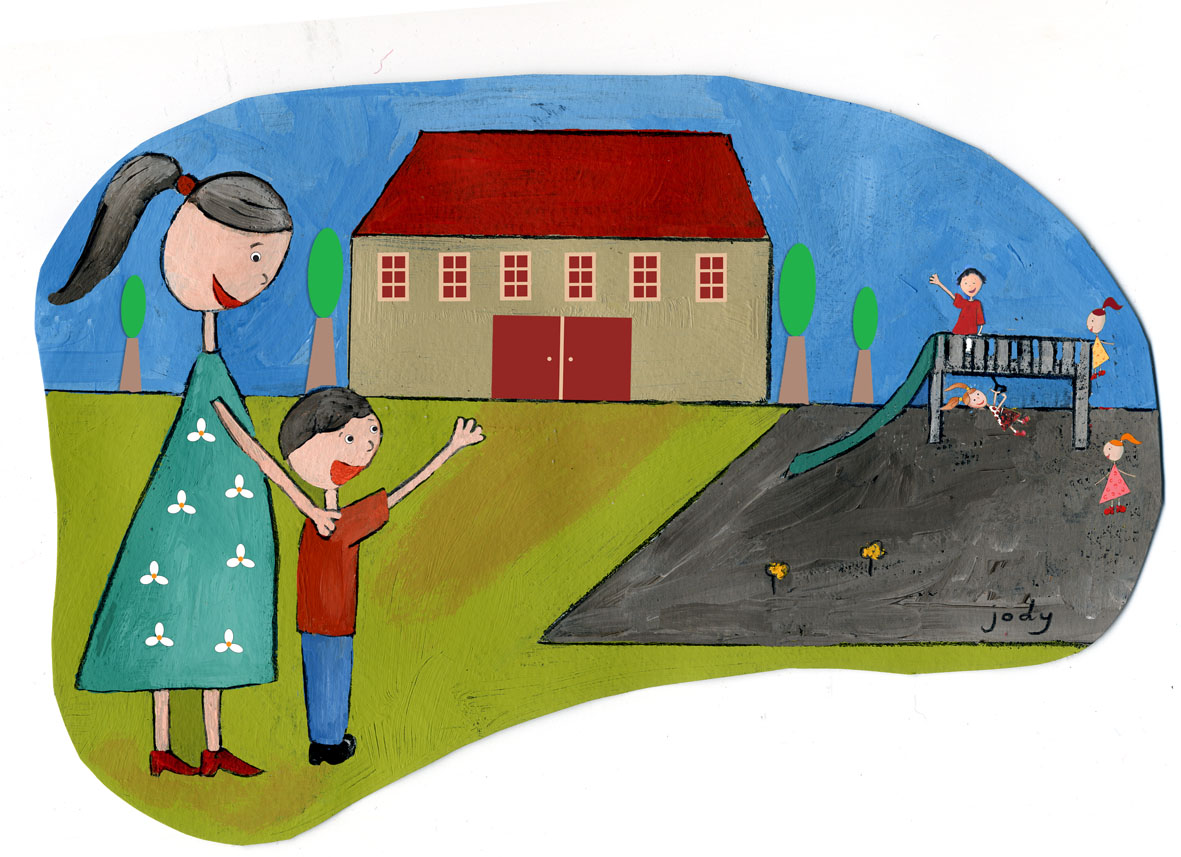
I threw myself into school life. I learned every child’s name, joined in reading groups, stayed back after school, and invited classmates home. While I poured coffee for their mothers, I helped forge connections for my son.
Gradually, he grew more assured. But I still saw his anxiety at times. I’d watch the class returning from the library in pairs, hand in hand, while my son walked alone at the back. I blinked back tears but reminded myself we were making progress.
 Breakthrough Moments
Over the past 18 months, his social skills have bloomed. Now he calls back to children across the playground and answers adults in a clear voice (though we’re still working on eye contact). Best of all, he has friends he’s chosen himself.
The game of tag has been invaluable—children can run and laugh together with hardly a word spoken. Star Wars, which I resisted for years, gave him a common language and shared interest with his peers. And the routines of school brought him security.
I don’t expect him ever to be extroverted. New situations may always feel daunting. But he’s learning that friendships are rewarding and fun.
The Decision I Don’t Regret
Like many stay-at-home parents, I’ve sometimes felt the need to explain why I don’t “work.” At first, I’d launch into justifications about his struggles with change and how he needed extra help with social situations. Most people didn’t get it. I’ve stopped explaining. Quietly, I know it was one of the best choices I’ve ever made.
Social skills and friendships underpin so much of life. I can’t take all the credit—teachers, family, and friends have all helped. And my son himself has grown and adapted.
It was never my ambition to make him “Mr Popularity.” All I ever wanted was to help him feel comfortable with people and to discover the joy of friendship. That’s something he is finally beginning to take charge of for himself.
Illustrations by Jody Pratt