
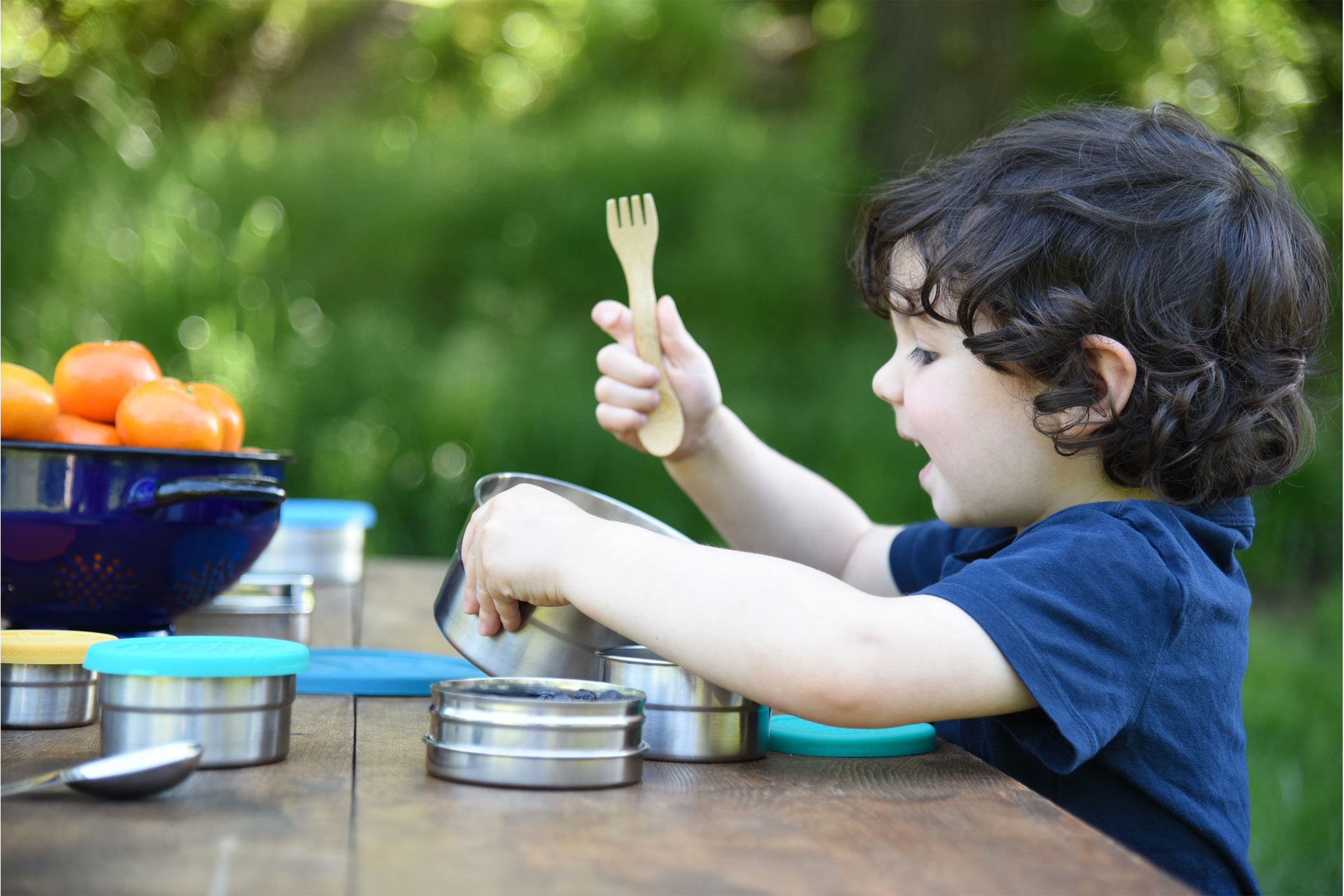
22 Jan Smart School Lunches: Lunch Boxes That Work for Real Families
While the lunch-box contents matter most, the container plays a big role in whether kids can open it, keep food fresh, and eat independently without help. Reviewers and family testers consistently highlight a few key design features:
- Kid-friendly latches and easy-open lids so children don’t need adult help at school.
- Separate compartments to keep foods from mixing and make healthy packing easier.
- Leak-resistant or insulated designs to maintain food safety and temperature.
- Dishwasher-safe surfaces for easy cleaning.
What makes these types great
- Compartment Bento Style — Multiple well-sized sections help separate proteins, veggies, fruit and snacks so foods stay fresh and appealing. Excellent for kids learning to eat balanced meals.
- Leak-Resistant Lunch Boxes — Ideal for yoghurt, dips or moist fruit bits without juice soaking other foods.
- Hot & Cold Capability — Built-in insulation (thermos element) lets you pack warm pasta, soups or noodles along with chilled sides.
- Kid-Sized Design & Easy Latches — Critical for little hands starting in prep/kindy, and still useful for older kids who pack their own lunch.
Top design traits reviewers and testers mention:
✔ Easy for kids to open and close independently
✔ Flexible compartments (can vary portion sizes)
✔ Insulation or room for ice-packs if you’re sending perishables
✔ Dishwasher-safe materials for quick clean-ups
A note from some expert conversations: while bento-style snack boxes are trendy, some dietitians caution that grazing on many small carb-rich snacks all day (like crackers, rice cakes or dried fruit) can affect appetite and hunger regulation — particularly for younger children who naturally need structured mealtimes. That means also packing substantial core foods (protein, whole food veg/fruit) alongside fun snacks.
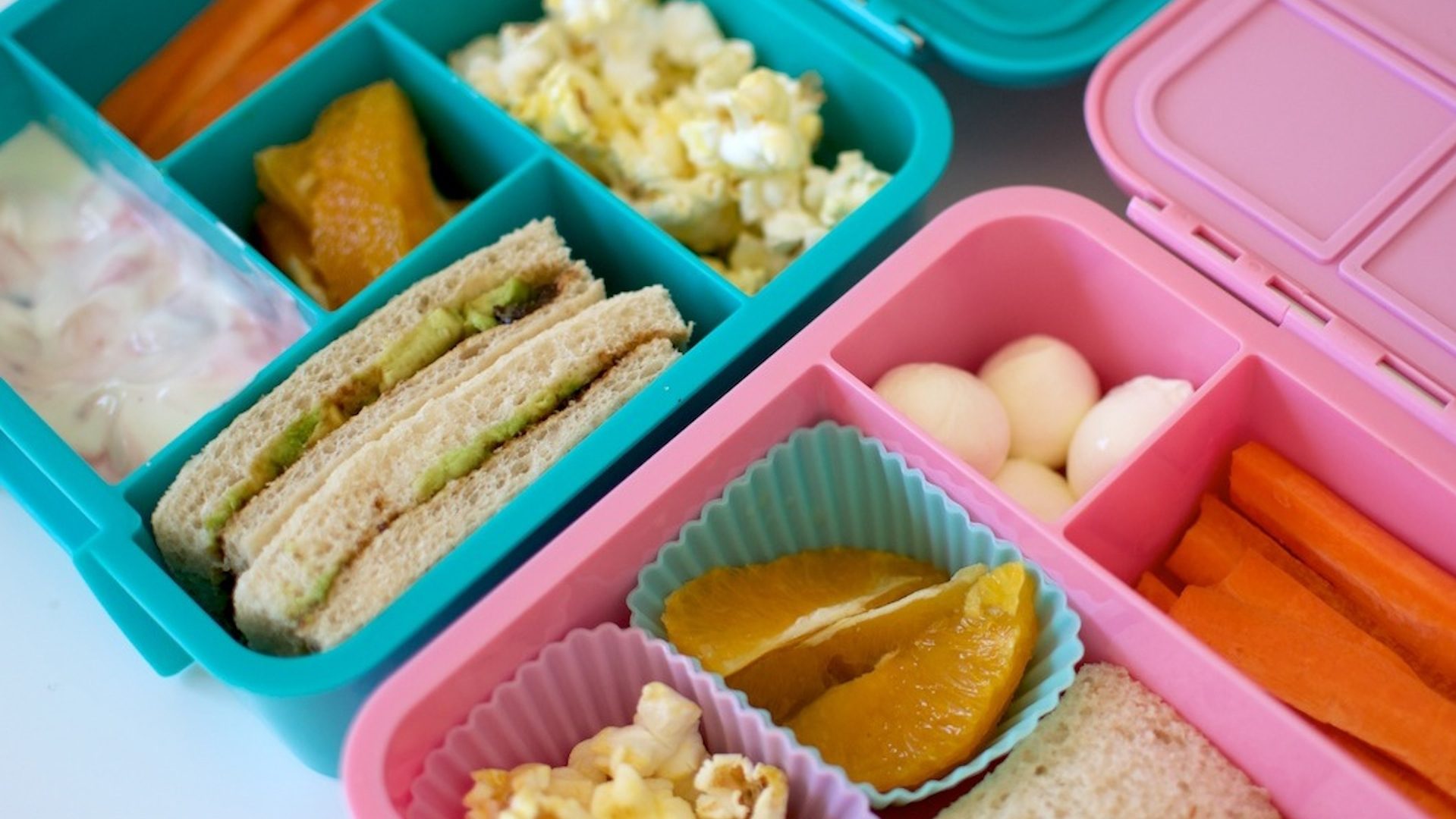
Kindy / Prep / Early Primary Lunch-Box Tips
For little ones just starting school, focus on:
✔ Accessibility:
- Choose a lunch box your child can open by themselves — fiddly clasps are frustrating and often end in spills.
- Big zippers, simple latches or flip-open boxes boost confidence.
✔ Manageable Portions:
- Little hands struggle with tiny parts — larger compartments help.
- ✔ Balanced Snack + Meal:
Include items that are easy to eat in the playground:
- protein (cheese, boiled egg quarters)
- soft fruit or pre-cut veggies
- carbs that fuel (wholegrain crackers or wraps)
✔ Labelling:
Name everything! Teachers will tell you that labelled lunch boxes and bottles get returned home faster.
Older Kids (7 +): Bento Confidence and Choices
Once kids get to around Year 2–3, many pack their own lunch boxes. Here’s how to support them:
✔ Teach the basics:
- Start a short checklist: protein, fruit/veg, drink, treat (optional).
- Show them how to close compartments properly — this reduces leakage and waste.
✔ Bento Style = Choice:
Older kids can enjoy bento boxes with multiple compartments — they let children build mini balanced meals that suit their appetite and tastes.
✔ Encourage variety:
Swap whole foods in* every few days — helps avoid nibbling on the same thing all week.
Quick Lunch-Box Checklist for Parents
✔ Protein included (meat/plant/cheese or yoghurt)
✔ Fruit and veg (fresh or chilled in ice-pack)
✔ Wholegrain starch (wraps/crackers/sandwich)
✔ Water bottle (no sugary drinks)
✔ Easy-open container and labelled food
 To make mornings easier, we’ve created a set of printable lunch-box guides for parents and kids — available to download below.
Allergy Aware school lunch notes