
24 Dec The Fight for Public Space: What Families Lose When Cities Grow Without It
With the pressure for housing at the moment, the Planning Institute of Australia has a timely reminder that well-maintained public areas, infrastructure and facilities are the building blocks of healthy and vibrant communities.
How Our Cities Have Evolved
The early planned settlements in Australia were small, and most activities were within easy reach, either by foot or by horse and cart. Early plans show that areas were set aside for town markets and there were plenty of public spaces for schools, village reserves, public buildings and churches. These settlements had to make provision for a local food supply. Most had a bustling main street that provided all the services for the community, and most people lived close to where they worked.
As the population grew, so did concerns about public sanitation and overcrowding. In response, settlements expanded, with people favouring large blocks of land. Eventually, the prevalence of private-vehicle ownership made it easier for people to get around, and consequently, services and activities became dispersed.
The Pressure on Public Land Today
Today, our cities and towns are far more complex. There is generally a separation between our homes, workplaces, shops and schools, and the car remains the principal mode of transport for many. Land in urban areas is extremely valuable, and in some places, parcels once set aside for community use have been sold or redeveloped, placing additional pressure on public space.
Amid the current housing crisis and growing density in our cities, ensuring adequate public space is not optional – it is fundamental to liveability.
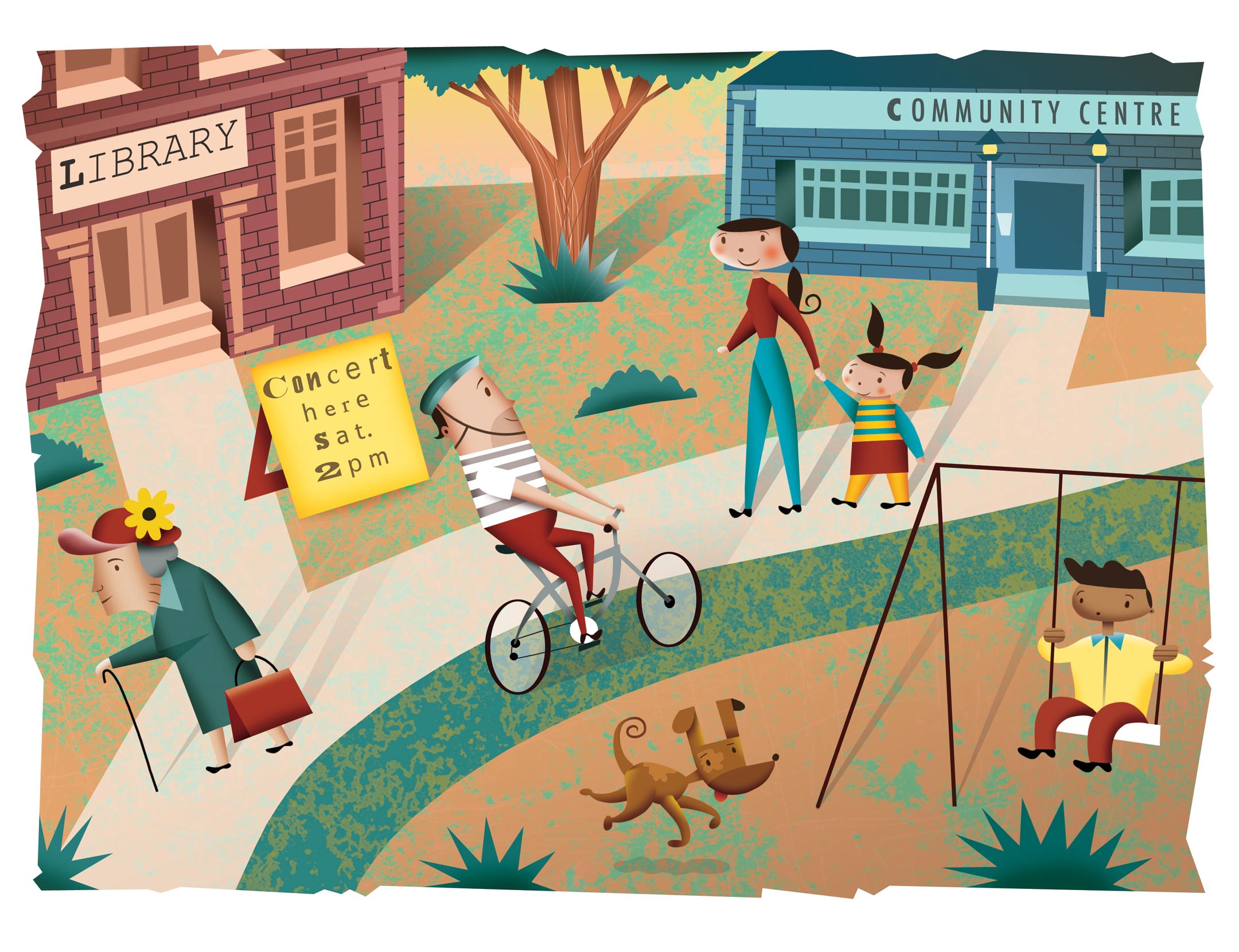
Yet it remains essential for local governments to have land that can be made available for a variety of uses by a variety of age groups. Offering places for all ages provides significant health and wellbeing benefits for a community. Shared use of parks and community facilities encourages social interaction between people of different ages and backgrounds and supports broader social connections.
The Cost of Meeting Community Expectations
Local governments continue to face rising community expectations about infrastructure and services, often without the revenue base needed to fully meet them. Many councils are dealing with ageing facilities, increasing renewal costs and the demands of growing populations. Community infrastructure – such as swimming pools, libraries, sports grounds and multipurpose halls – requires ongoing investment to ensure it remains safe, accessible and functional for families.
For parents, these spaces are often essential: places where children can play safely, learn new skills, socialise, and simply be outdoors.
One example of the wise use of public assets is schools sharing their facilities with community groups outside of school hours. This might range from hiring out existing school basketball courts on weekends to schools and communities working together to develop and share new facilities. Such arrangements make better use of existing land and provide valuable assets for local residents.
 Designing New Neighbourhoods for Changing Needs
Developers of new suburbs and housing are also aware of the need to provide a range of areas for public use. This improves the marketability of developments and allows neighbourhoods to adapt as their demographics change over time.
There is increasing community interest in protecting good agricultural land to ensure a local food supply. Concerns about the environmental impact of long-distance food transport have renewed attention on concepts such as “food miles”. Farmers’ markets continue to be popular, giving local producers opportunities to sell their goods closer to home, while consumers enjoy fresh food and direct interaction with growers.
Interest in community gardens is also increasing, bringing together people of different ages to grow food, share expertise and strengthen social bonds. For younger children, these spaces often provide rare hands-on learning experiences.
Healthy Communities Start with Good Design
There is now widespread recognition that infrastructure and service delivery are essential to fostering healthy and active communities. Safe pedestrian areas, easy access to transport and shopping centres, shaded footpaths, and well-located health and recreation facilities all contribute to people’s ability to participate fully in community life.
For families, this can be the difference between children being able to walk safely to school, ride to sport, or meet friends independently — or being reliant on parents to drive them everywhere.
The need for an integrated approach to creating healthy, liveable communities has been highlighted by organisations across many sectors. Planning, local government, transport, parks and land management, education, safety and recreation all influence community wellbeing. When these sectors work together, the potential to improve health outcomes is significant.
 Places That Support All Ages
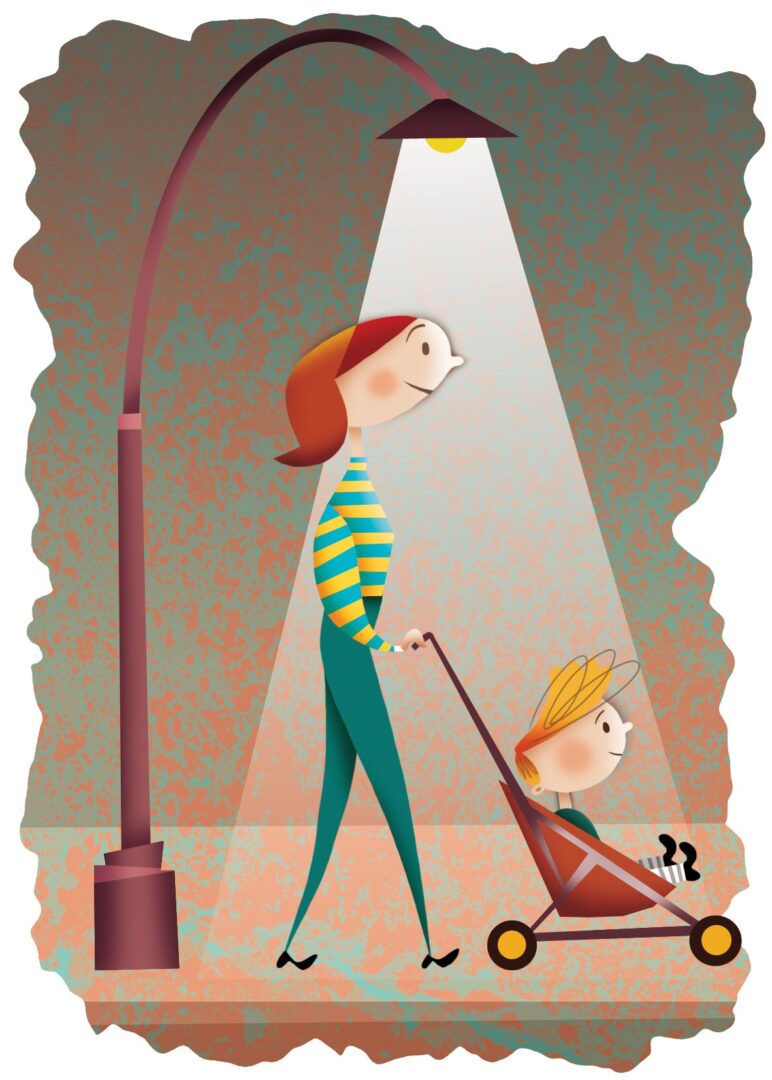
Research into child-friendly cities has long shown that when we design places to meet the needs of children, we also tend to meet the needs of many other groups – especially older people. As more evidence emerges linking well-designed public spaces with physical and mental wellbeing, greater attention is being paid to how all Australians can benefit from accessible, inclusive and high-quality public environments.
Public space is not just an amenity—it is the shared fabric of community life, especially for families raising children in increasingly dense and fast-growing cities.
More information about the Planning Institute of Australia, the professional association representing urban planners and related professions in Australia and overseas, is available at www.planning.org.au.
Illustrations by Shane McGowan