

23 Apr Think you’re healthy? New research says many Australians may be getting it wrong
Most of us like to think we’re doing a pretty good job when it comes to our health. But new Australian research suggests there’s a gap between what we believe we’re doing right — and what’s actually happening day to day.
The confidence trap: why we think we’re healthier than we are
According to new research from Healthylife (the Inaugural Healthylife National Health Confidence Survey of over 1,000 respondents), Australians scored themselves a solid 75 out of 100 when it comes to managing their health. Sounds reassuring — until you look a little closer.
The study found many of us feel confident about our habits, yet key behaviours don’t match up. Only one in four Australians meets recommended physical activity guidelines, and our shopping trolleys still contain far more “sometimes” foods than vegetables.
In short, we think we’re doing well — but the reality tells a different story.
The everyday habits quietly working against us
It’s not just exercise and diet. The report highlights several areas where confidence doesn’t equal good outcomes:
- Medications: While most people say they understand how to use them properly, many stop taking long-term medications too early.
- Supplements: A large number of Australians feel confident choosing vitamins — but may not fully understand the risks or ingredients.
- Food choices: Despite believing our environment supports healthy eating, we’re buying nearly twice as many discretionary foods as vegetables.
These aren’t dramatic, obvious mistakes — they’re small, everyday habits that can add up over time.
The “I didn’t know I didn’t know” effect
Health experts say this gap is often driven by something called the Dunning-Kruger effect — essentially, when we don’t know enough to recognise what we’re missing.
That might look like:
- Assuming a “natural” product is automatically safe
- Thinking a quick online search equals expert advice
- Believing current habits are “good enough” without checking
It’s not about blame — it’s about awareness.
The rise of AI (and why it matters for families)
Nearly half of Australians say they trust health information from AI tools — especially younger adults. While technology can be helpful, it also comes with risks.
The concern? Many people feel confident in the accuracy of what they’re reading, even when misinformation is widespread.
For families, this matters more than ever. Teens and young adults are increasingly turning to digital sources for health advice — not always checking where that advice comes from.
Simple ways to reset your family’s health habits
The good news: small, realistic changes can make a big difference.
1. Add, don’t overhaul
Start with one simple shift — like adding an extra serve of vegetables each day. No need for a complete diet reset.
2. Get curious
Ask: How do I actually know this is healthy? Look beyond marketing and trends.
3. Check your sources
Use trusted professionals — GPs, dietitians, pharmacists — especially when it comes to medications or supplements.
4. Set your environment up to help you
Healthy habits are easier when your surroundings support them:
- Keep fresh food visible and easy to grab
- Plan meals before shopping
- Create calm sleep spaces for better rest
5. Use real data, not guesswork
Tracking what you actually eat or do (even for a few days) can be eye-opening.
The bottom line for parents
This research isn’t about getting everything perfect. It’s a reminder that feeling confident about our health isn’t the same as being on track.
Healthylife Chief Health Officer and Accredited Practising Dietitian Simone Austin said: “It is a common misconception that achieving good health is simply a matter of personal willpower.”
Austin recommends utilising evidence-based tools, such as the Healthylife Food Tracker, to compare actual shopping habits against the Australian Dietary Guidelines.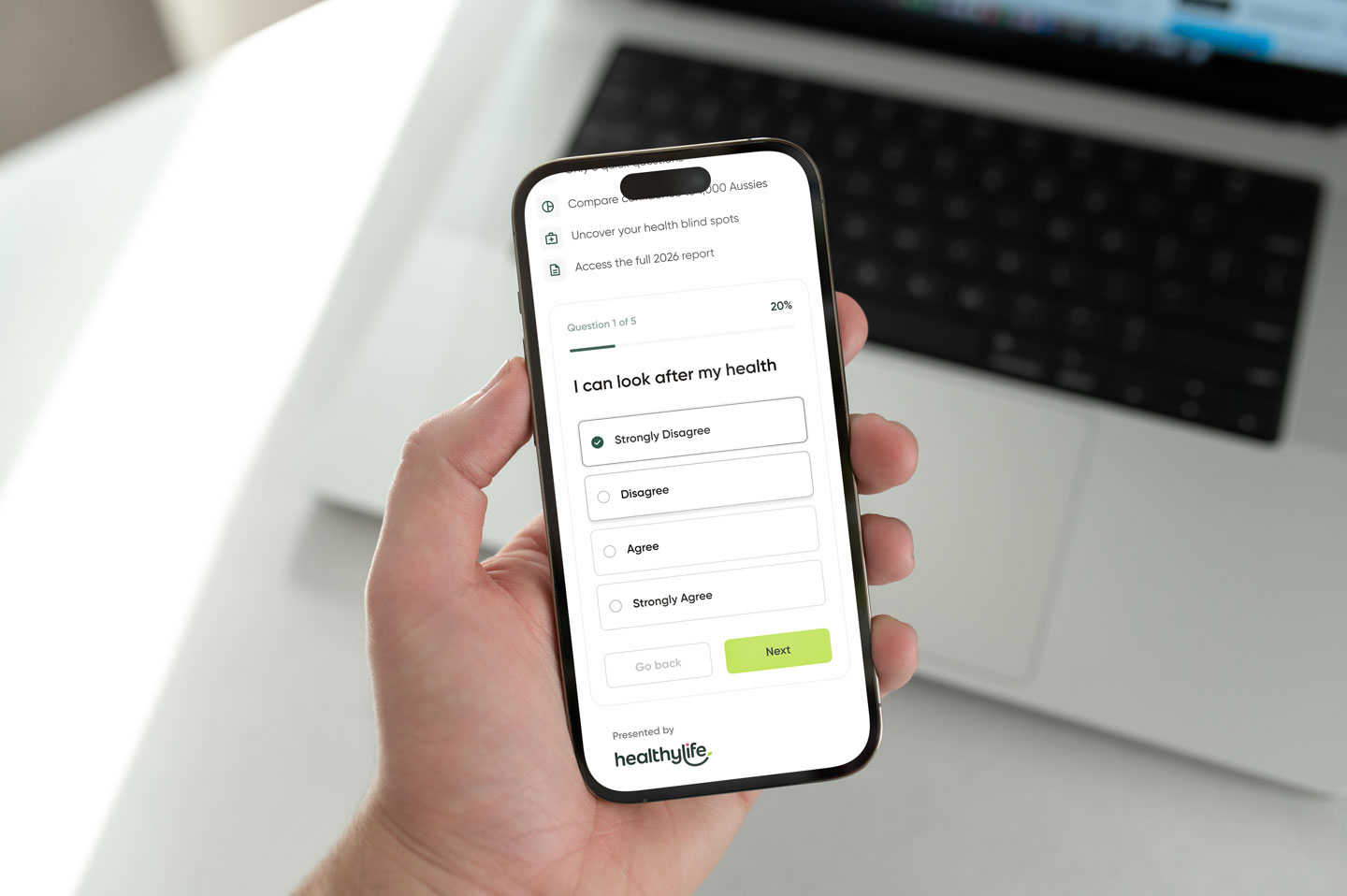
For busy families, the goal isn’t perfection — it’s awareness. A few small, informed tweaks can go a long way in keeping everyone healthier, for the long term.
To download the report and to take the survey, visit Healthylife
Further reading: