04 Sep Why the arts still matter in primary school
Maria Griffin illustrates the artful ways in which creativity can set the scene for all aspects of our lives.
More than just fun
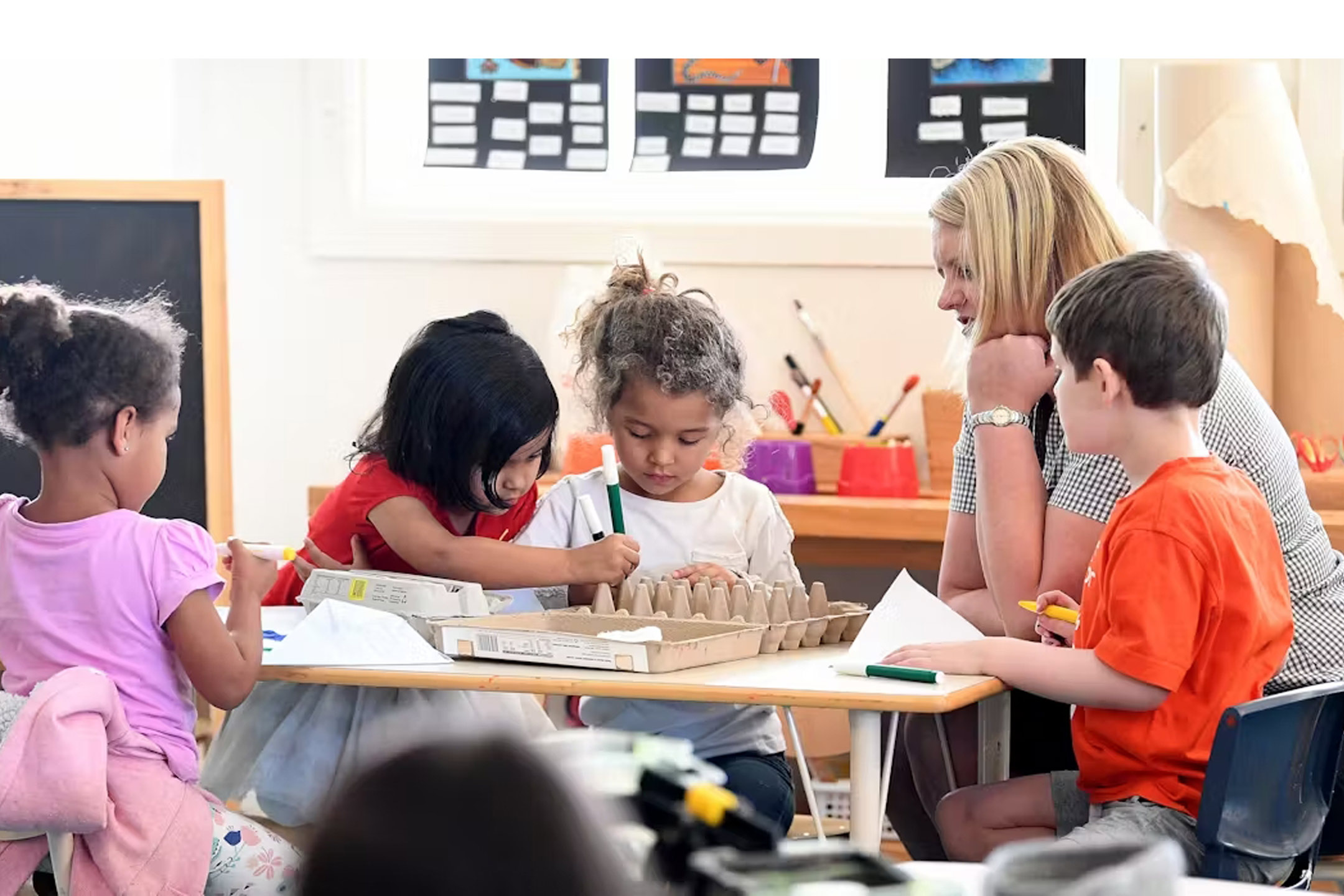
Waiting outside the classroom towards the end of the school day recently, I happily watched through the window as the Grade 1 and 2 children sang ‘Mr Clickety Cane’ with their teacher. I love watching a scene like this, so I was surprised when a mother standing next to me remarked, “That’s really going to help them get a job!” Her tone implied that she was half joking, but her comment was so far removed from my enjoyment of watching kids spending class time singing that it caused me to dwell on the possible reasons for our different reactions.
I might be biased, having studied fine art and practised as an exhibiting artist, as well as working in the arts, but I find that art, drama and music all offer great opportunities for children to learn as well as to have fun.
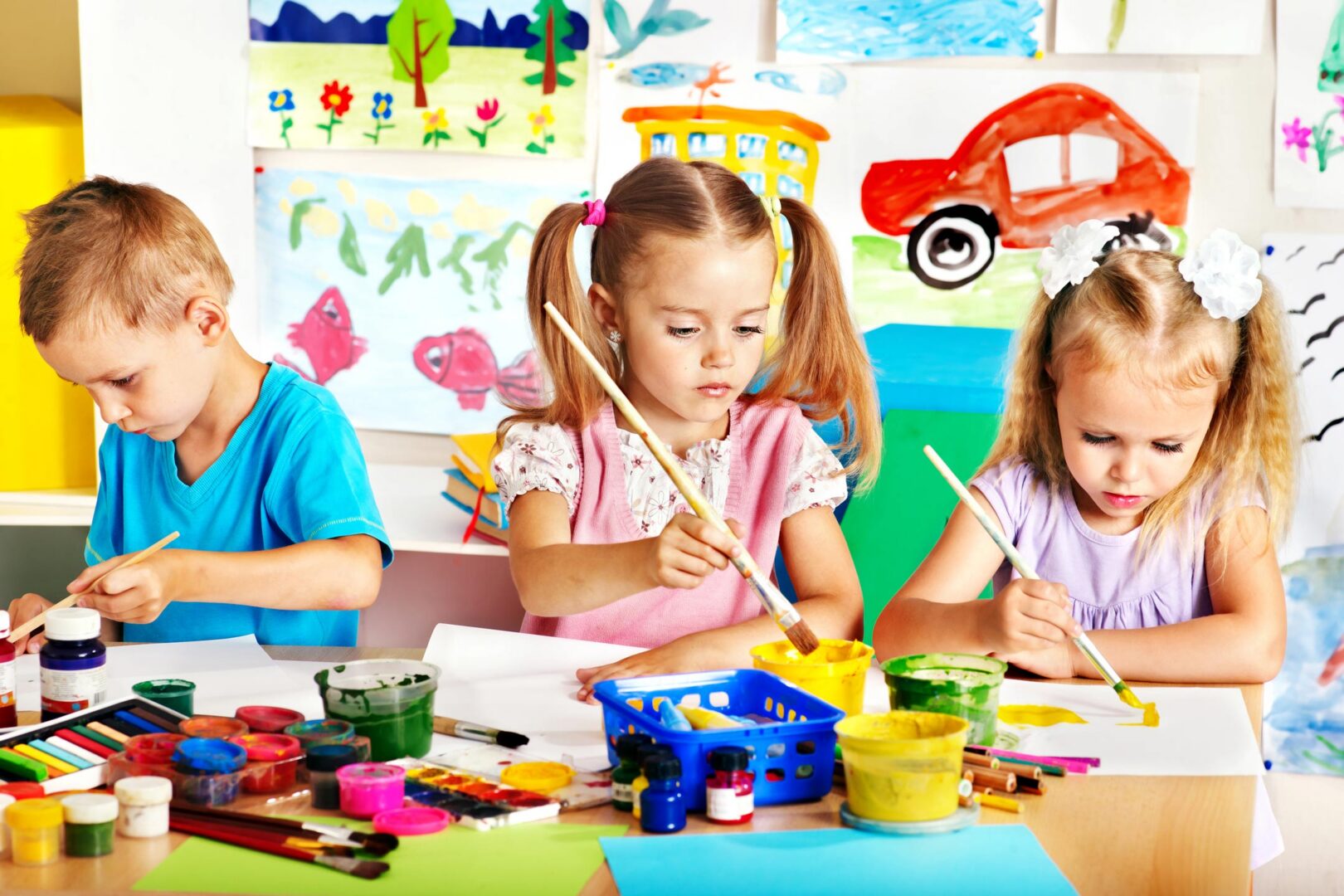 When school timetables are crowded, parents may sometimes wonder how much time should be devoted to the arts. Yet creativity, communication, experimentation and learning to consider different perspectives are all valuable parts of a child’s education.
From engaging my child in art activities, I have seen this for myself. Our daughter is always making artworks at home, aided, no doubt, by our encouragement and, when time allows, participation. Aside from the sheer fun of the activity, I can see that making objects and images helps to foster her curiosity about the world.
I watch her develop confidence in her own visual interpretation of what she sees around her. She learns as we do drawings together that everyone has their own unique approach, and that in art there is no ‘right’ or ‘wrong’ way to do things.
Learning when things go wrong
Flexible, creative thinking is useful well beyond an art lesson. If your unicorn doesn’t look like a unicorn, don’t get cross and tear it up – with a little bit of imagination, and a bit of tinkering, it may look like something else!
It may sound trivial, but little examples like this can help a child learn to handle mistakes – of both the artistic and non-artistic varieties – with confidence.
Making art helps to develop that flexible, creative thinking, where a result that might seem a ‘failure’ according to initial expectations can lead to a new, positive discovery about something else.
I have felt proud of my daughter when I’ve seen her handle small setbacks or disappointments in a really positive way, which I would not have done at her age. I believe that this is partially due to our gentle encouragement to think laterally and not ‘throw in the towel’ – or in this case, rip up the picture – when she is frustrated by a picture that has gone ‘wrong’.
Experiencing the arts together
We are an arts-loving family, and our involvement doesn’t end with making art at home. We take our daughter to galleries, concerts – she’s been to orchestras and rock bands as well as children’s concerts – films and children’s theatre. At home she is exposed to a wide range of music, from baroque to The Beastie Boys and everything in between.
It’s been a real joy to observe how engaging a child in the arts provides great opportunities for life education – and not only for her. Sometimes I think that I am the one learning the lesson when I attempt to encourage her to have confidence in experimentation, to ask questions and to value her own and others’ personal expression.
And by ‘life education’ I don’t mean that I head to an art gallery with pre-planned questions on the history of modern art for her to answer. We might not talk about the art at all, or we may just wonder together why the artist made their picture, sculpture or film in the way that they did.
Experiencing art with a child, I am reminded regularly of the role the arts can have in expanding our understanding of the world and our place in it. Art has a way of opening up discussion, allowing room for varied interpretations and fostering respect for difference.
Art, drama, music, dance and other creative activities can also give children opportunities to work towards outcomes that are not always measured on a comparative scale. They can help children develop confidence in their own ideas and personal expression – confidence that may carry into other areas of school and life.
We want our children to be confident, to have fun and to discover that learning is enjoyable. Arts activities at primary school can help make school a place where that happens. To me, a simple singalong together at the end of the day helps to make school a place where my child feels happy and confident to learn.
This article was originally published by CHILD and has been lightly edited and updated for the web in 2026.
For more articles about art, craft and music for children use the ‘search’ request on Childmags.com.au