

09 Apr Why your childhood shows up in your parenting (and how to shift the pattern)
Ever snapped at your child and wondered, Where did that come from? A new parenting book explains why our own childhood shapes our reactions—and how small, thoughtful shifts can help break the cycle.
Why reactions can feel bigger than the moment
Most parents recognise it—the sharper tone than intended, the overreaction to something small, or hearing your own parents’ words come out of your mouth.
Family therapist Lisa Taylor says these moments aren’t random. In The Perfect Parent Trap, she explains that parenting doesn’t create these reactions—it exposes patterns formed in our own childhood.
The “Heartprints” we carry
Taylor calls these patterns “Heartprints”—the emotional habits we developed growing up.
They’re shaped by:
- How we were comforted
- How conflict was handled
- Whether emotions felt safe
- The role we played in our family
These responses once helped us cope—but can resurface under parenting stress.
For example, if you were often criticised, your child’s behaviour may feel personal. If emotions weren’t safe, big feelings can feel overwhelming. If you had to be “good”, defiance may feel unsettling.
A simple question that helps
Instead of asking, “How do I fix this behaviour?”, Taylor suggests:
“Am I responding to my child—or reacting from my own past?”
That small pause can shift everything—from reacting to responding.
You don’t have to be perfect
The book’s message is reassuring: awareness matters more than perfection.
When parents pause, they’re more likely to:
-
- Stay calm
- Listen more
- Guide rather than control
- Repair after difficult moments
Boundaries still matter—but they come from a steadier place.
Breaking the cycle gently
Change doesn’t come from guilt, but from noticing. Break free from old patterns and be present with your kids.
Over time, small shifts create a calmer home. Children feel heard, relationships strengthen, and parents model how to repair and reconnect.
Parent takeaway
-
- Big reactions often have deeper roots
- Pause before responding—it changes outcomes
- You don’t need to be perfect, just aware
- Repairing after tough moments builds trust
- Small shifts, repeated, create lasting change
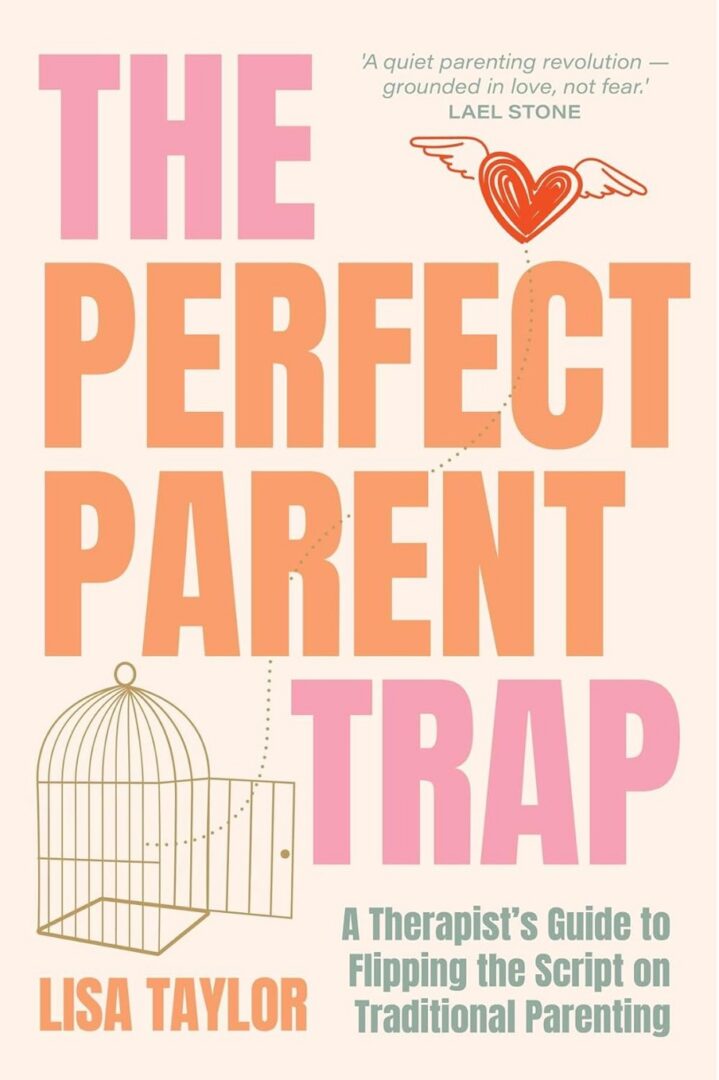 If you’re drawn to reflective, psychology-based parenting (rather than strict “how-to” guides), this is a thoughtful, reassuring read.
It won’t give quick fixes—but it can help you better understand your reactions and respond with more calm and clarity over time.
Published by Amba Press, p/b, 2026, Available online at various book sellers from $37.75