
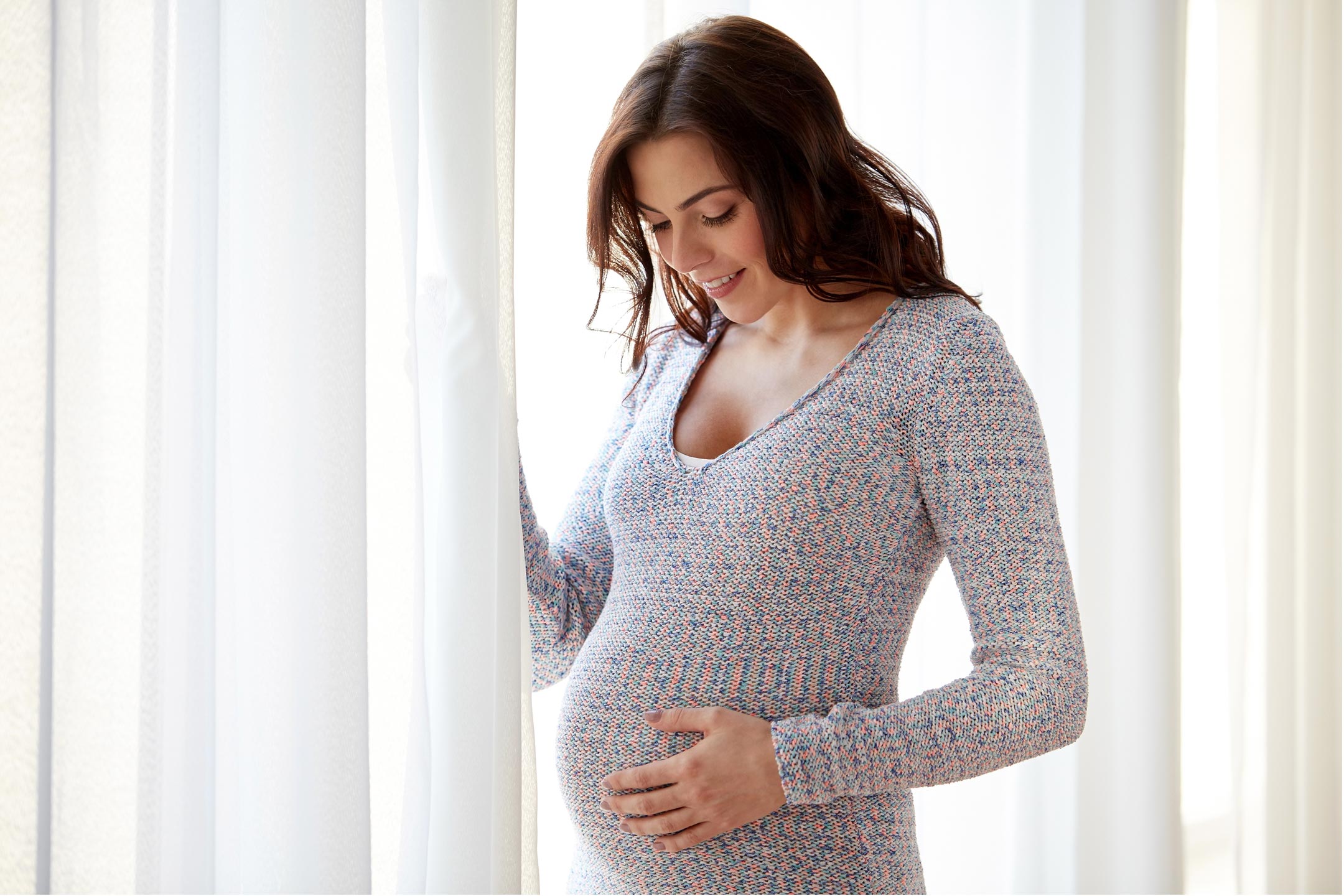
08 Jul 13 Pregnancy myths: what’s true, what’s not, and what parents-to-be should know
Expecting a baby is exciting, but it can also be overwhelming. With so many well-meaning people offering advice, it is often hard to know what to believe.
Generally, your prenatal team — obstetrician, GP or midwife — is the best source of information about pregnancy.
Here are some common pregnancy myths debunked.
Myth: You’re eating for two, so you can eat much more
Pregnancy does require extra nutrients, but “eating for two” does not mean doubling what you eat.
Most women need to focus on quality rather than quantity: regular meals, plenty of vegetables and fruit, wholegrains, protein foods, dairy or calcium-rich alternatives, and enough iron, folate, iodine and other key nutrients.
Extra energy needs vary depending on the stage of pregnancy, your body and your health. If a woman starts pregnancy within a healthy weight range, a total weight gain of about 11.5 to 16kg is often used as a general guide, but the healthiest range varies depending on pre-pregnancy weight.
Eating too much extra food and putting on excessive weight can be unhealthy for mum and baby, so ask your doctor or midwife what is right for you.
Myth: You can tell your baby’s sex by your bump shape
“Pear-shaped, it’s a boy; apple-shaped, it’s a girl” isn’t true.
Women come in all shapes and sizes, and so do pregnancy bumps. Your bump shape depends more on the baby’s size and position, the amount of amniotic fluid, whether the baby’s head has “engaged”, and the state of your stomach muscles.
If you really want to know your baby’s sex before birth, an ultrasound is a better bet — although even scans are not always 100 per cent certain.
Myth: You can’t travel by air during pregnancy
For many women, flying during pregnancy is safe, especially in an uncomplicated pregnancy. However, most airlines have restrictions about flying later in pregnancy, and travel-insurance companies may also have cut-off dates.
This is mainly out of concern that you might go into labour on the flight.
Check with your obstetrician, GP or midwife, who can advise whether flying is okay based on your due date and the health of your pregnancy. Some airlines may also ask for a letter confirming how many weeks pregnant you are.
Pregnancy and flying are both risk factors for deep vein thrombosis, so long flights need extra planning. This may include moving regularly, drinking water and asking your doctor whether compression stockings or other precautions are recommended.
Myth: You shouldn’t pat your cat during pregnancy
Patting your cat, or anyone else’s, during pregnancy is fine.
You should, however, avoid changing kitty litter where possible because of the risk of contracting toxoplasmosis from cat faeces. Normally, symptoms are mild, but toxoplasmosis in pregnancy can cause serious complications.
If you must clean the litter tray, wear gloves and wash your hands well afterwards. It is also best to wear gloves while gardening, especially if cats use your garden as a toilet. Cat droppings and dirty litter should be disposed of daily because they can become infectious after 24 hours.
Myth: You can’t take baths during pregnancy
In general, baths are fine during pregnancy.
However, it is recommended that you avoid overheating and raising your core temperature. For this reason, very hot baths are not advised, and neither are saunas or hot spas.
A warm bath can be a lovely way to relax — just keep it comfortable rather than steaming hot.
Myth: You can’t eat ice-cream during pregnancy
Packaged frozen ice-cream is generally fine during pregnancy if it has been stored properly and eaten frozen.
Soft-serve ice-cream — the kind served by fast-food outlets or mobile ice-cream vans — is not recommended because of the risk of contamination with listeria. Listeria infection in pregnancy can cause serious complications.
Listeria is also the reason pregnant women are advised to avoid higher-risk foods such as uncooked deli meats, chilled ready-to-eat seafood, soft cheeses, pre-prepared salads and pre-cut fruit unless they have been handled and prepared safely.
Myth: You need to avoid exercise during pregnancy
In the past, exercising during pregnancy was often treated as taboo. Today, healthy pregnant women are generally encouraged to stay active with a modified fitness program.
Benefits can include increased energy, improved mood, better sleep and preparation for the demands of labour and caring for a newborn.
Discuss your exercise routine with your doctor, midwife or prenatal caregivers to ensure it is appropriate, especially if you have complications, bleeding, pain, dizziness, high blood pressure, placenta concerns or a high-risk pregnancy.
Myth: You must sleep on your left side only
From around 28 weeks, pregnant women are advised to go to sleep on their side, but it does not have to be only the left side. Either side is fine.
If you wake up on your back, don’t panic — simply roll back onto your side.
Myth: You must give up coffee completely
You do not necessarily have to give up coffee, but you do need to keep an eye on your total caffeine intake. Caffeine is also found in tea, cola, chocolate and energy drinks.
Australian guidance recommends limiting caffeine during pregnancy and breastfeeding to 200mg a day in total. Ask your doctor or midwife what is right for you, and remember that energy drinks are best avoided during pregnancy.
Myth: A small glass of wine is harmless
The safest option in pregnancy is not to drink alcohol.
While many older relatives may remember different advice, current Australian health guidance says women who are pregnant or planning a pregnancy should avoid alcohol to prevent harm to the baby.
Myth: You can’t dye your hair during pregnancy
Dyeing your hair is generally considered fine during pregnancy. Perms and chemical straightening are also usually okay, as only small amounts of chemicals are absorbed through the scalp.
If you are concerned, you may choose to wait until after the first trimester, use foils rather than full-scalp colour, wear gloves and keep the room well ventilated.
Myth: You can’t have sex during pregnancy
Unless you have been advised otherwise by your antenatal team, sex is usually okay during pregnancy at basically any stage, as long as you and your partner feel comfortable.
The baby is protected within the amniotic sac and surrounding fluid.
Related to this is the idea that women will be insatiable during pregnancy. While pregnancy hormones may increase libido for some women, others may find nausea, exhaustion, discomfort or changing body shape are a total turn-off.
If this is you, don’t panic — it is quite normal for women and men to go off sex during pregnancy. If you have bleeding, pain, placenta problems, ruptured membranes or have been advised to avoid sex, check with your doctor or midwife.
Myth: You can’t put your arms over your head during pregnancy
Goodness knows where this one came from. There is no evidence that putting your arms or hands over your head will harm your baby.
However, if women avoid telling their partners this is false, it could mean avoiding hanging out the washing for nine months.
The best advice? Ask your own care team
Pregnancy myths often come from people trying to be helpful, but they can leave parents-to-be confused or anxious.
Your GP, midwife or obstetrician can help you sort fact from fiction and give advice that suits your pregnancy, your health and your baby.
Dr Manisha Fernando and Dr Katrina Reid are doctors who have written about prenatal and pregnancy health.
Note: This article provides general health information and does not constitute medical advice. Ideas and information expressed may not be suitable for everyone. Readers wishing to obtain medical advice should contact their own doctor.