05 Aug When children ask about disability: how parents can respond with honesty and respect
Children are naturally curious about the people around them, and sometimes their questions about disability arrive loudly and without warning. These moments can feel awkward, but they are also a chance to help children understand difference with honesty, kindness and respect.
Children notice things. They notice when someone moves differently, speaks differently or uses a wheelchair, and they often ask about it at exactly the moment we wish they wouldn’t.
It might be a quiet question at home. Or it might be announced across a café in a voice loud enough for everyone to hear.
For parents, the first reaction can be to shush, distract or apologise. Most of us have had one of those moments. But treating disability as something awkward or off-limits can accidentally make children feel there is something shameful about it.
Often, a simple and calm answer is enough.
Curiosity isn’t always unkind
Young children are usually trying to make sense of what they can see.
You might say:
“That person uses a wheelchair to help them get around.”
“She might communicate differently from you.”
“Some people’s bodies or brains work in different ways.”
There is no need to offer a long explanation, especially when you do not know the person or their circumstances. A stranger should not have to become a public lesson just because your child is curious.
You can also gently remind your child not to stare, point or ask personal questions about someone’s body.
Later, when you are somewhere more private, you can ask what they noticed and whether there is anything else they want to understand.
What if they ask, “What’s wrong?”
This is one of those questions that can make parents wince.
A simple response might be: “There might not be anything wrong. They may just do things differently.”
Disability is part of everyday life. It does not automatically mean someone is unhappy, helpless or unable to enjoy a full life.
The language we use can make a difference too. Saying someone is “confined to a wheelchair” can sound as though the wheelchair is a prison, when for many people it provides freedom and independence.
Likewise, “suffers from” can make a person’s whole life sound defined by suffering. Saying someone has a disability or lives with a condition is often more neutral, although different people prefer different language.
There is no single perfect term
This is where many well-meaning parents worry about getting it wrong.
Some people prefer person-first language, such as “person with disability”. Others prefer identity-first language, such as “disabled person” or “autistic child”.
The best approach is usually to follow the language a person uses about themselves.
Most importantly, do not become so anxious about saying the wrong thing that you say nothing at all. Respect, openness and a willingness to learn usually matter more than getting every phrase exactly right.
Try not to lead with pity
Children watch how adults react.
If we seem uncomfortable, overly sad or full of exaggerated praise, they notice that too.
Disabled people do not need to be called “inspirational” simply for going to school, working, shopping, parenting or taking part in community life.
It is more helpful to encourage children to see the whole person.
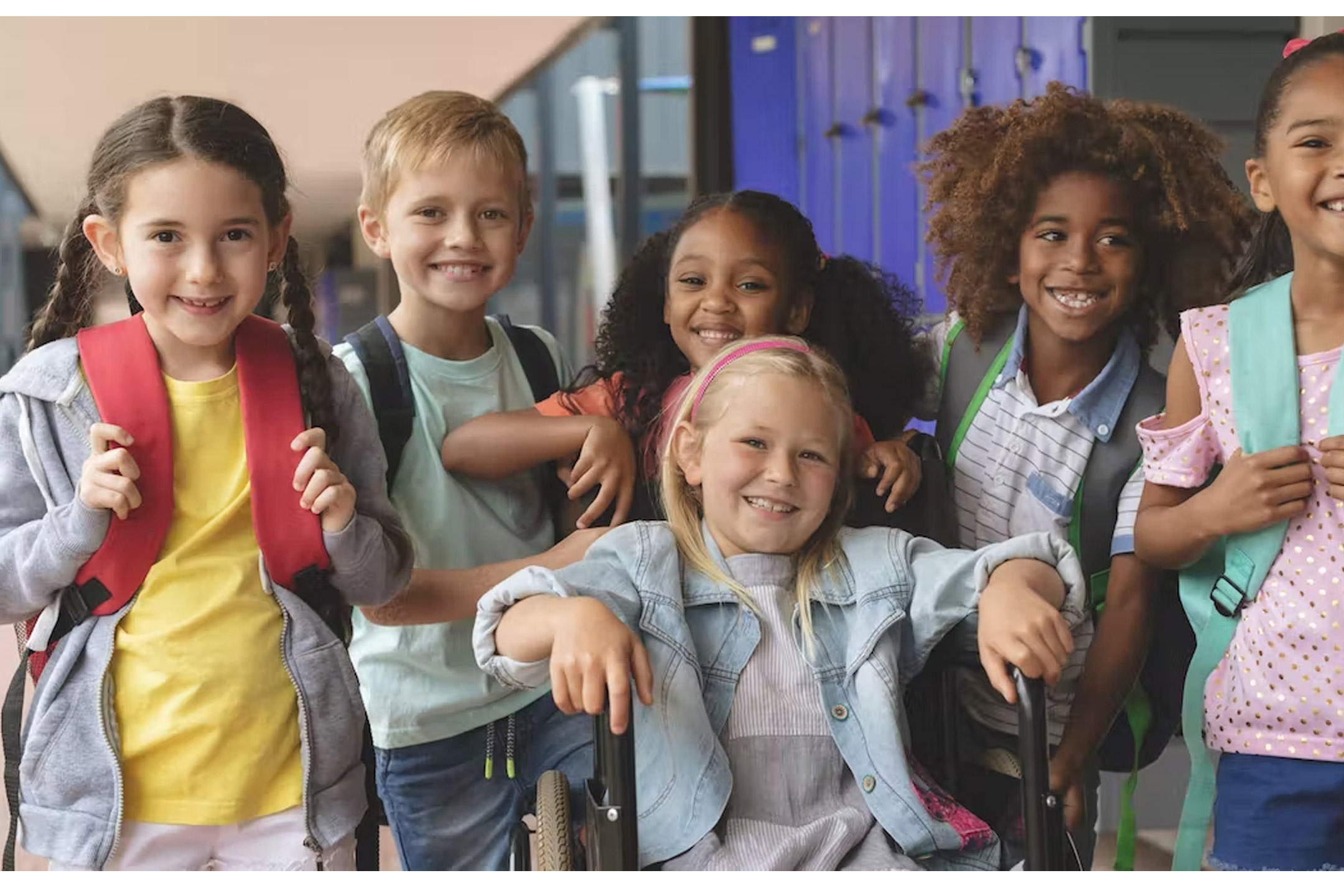
A child using a wheelchair might love dinosaurs, hate peas and support the same football team. An autistic classmate might be very chatty or communicate without speech. A child with an intellectual disability may share many of the same interests, jokes and frustrations as other children.
Disability matters, but it is not the only thing that matters about a person.
Inclusion can be surprisingly simple
Children are often quite accepting of difference, but real inclusion does not always happen by itself.
A child may be included in the classroom yet left out of birthday parties, play dates or sport because other adults feel unsure about what might be needed.
That uncertainty is understandable. What matters is what we do with it.
Instead of assuming something will be too difficult, it is usually better to ask the child or their parent what would help.
That might mean choosing an accessible venue, explaining party plans in advance, adapting a game, allowing a support person to come along or offering a quiet place to take a break.
Sometimes the adjustments are small. The invitation itself can make a big difference.
Fair does not always mean the same
Children quickly notice when one classmate gets extra time, uses different equipment or takes more breaks.
This can be a useful moment to explain that fairness does not always mean everyone gets exactly the same thing. It means people get what they need to take part.
Glasses, ramps, communication devices, classroom support and quieter workspaces are not unfair advantages. They simply remove barriers.
It is a lesson that applies well beyond disability.
Make inclusion feel normal
Some of the best teaching happens without a formal talk.
Children benefit from seeing disabled people included naturally in books, television, sport, school and everyday family life.
We can challenge jokes that use disability as an insult. We can choose stories with disabled characters whose lives are about more than disability. We can encourage schools and clubs to listen to disabled children and their families.
Most of all, we can model relaxed, respectful behaviour ourselves.
Children do not need to pretend everyone is the same. They can notice difference, ask questions and still learn about privacy, dignity and kindness.
Those awkward public questions may make us want the floor to open up, but they can also become valuable conversations.
Handled with honesty and warmth, they help children understand that disability is not something strange or embarrassing. It is simply part of the world they are growing up in.
Some recommended books about disability and inclusion:
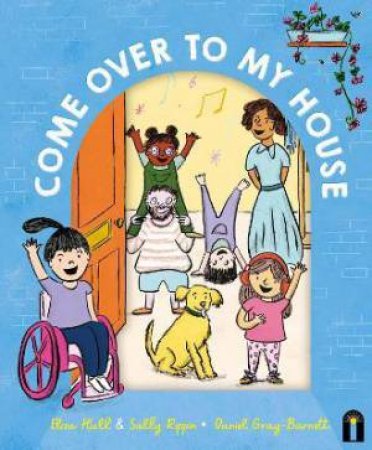 Come Over to My House by Eliza Hull and Sally Rippin, illus. by Daniel Gray-Barnett, h/b pub. Hardie Grant. RRP$24.99 Ages 3–8 years
Children invite readers into their homes for food, play and family time. The characters and parents have a range of disabilities, but the emphasis is on ordinary, welcoming family life and the different ways homes can be made accessible. It was a 2023 CBCA Notable Book and won a Speech Pathology Australia Book of the Year award.
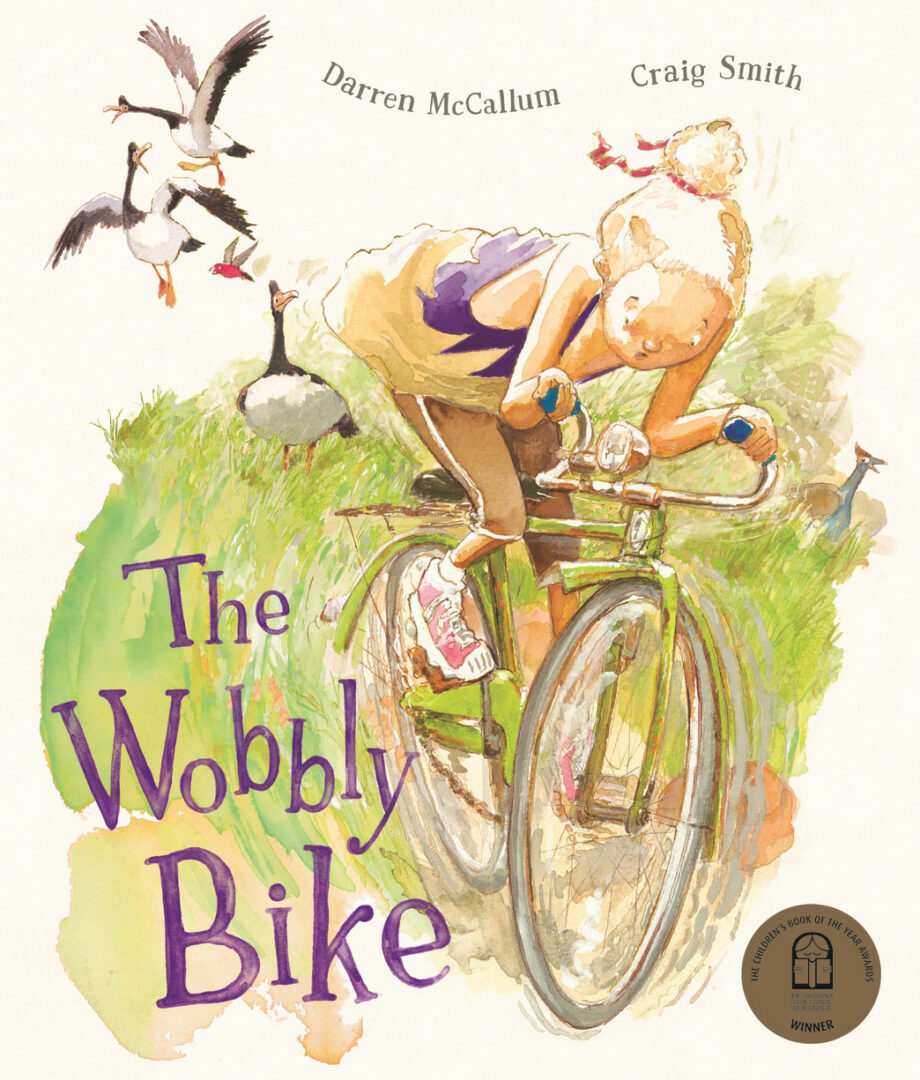 The Wobbly Bike by Darren McCallum, illus. by Craig Smith. h/b pub. Walker Books RRP $25.99Ages 4+ years
This cheerful Darwin-set picture book is mainly about learning to ride a bike, persistence and encouragement. Its illustrations naturally include children from varied cultural backgrounds and children with disability without making disability the subject of the story. It won the 2025 CBCA Early Childhood Book of the Year
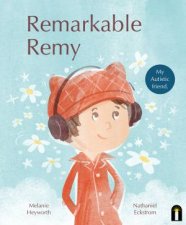 Remarkable Remy by Melanie Heyworth, illus. by Nathaniel Eckstrom, h/b Hardie Grant. RRP$24.99 Ages 3–7 years
An Australian picture book narrated by the friend of an autistic child. It celebrates Remy’s interests, strengths and distinctive way of experiencing the world, while keeping friendship at the centre
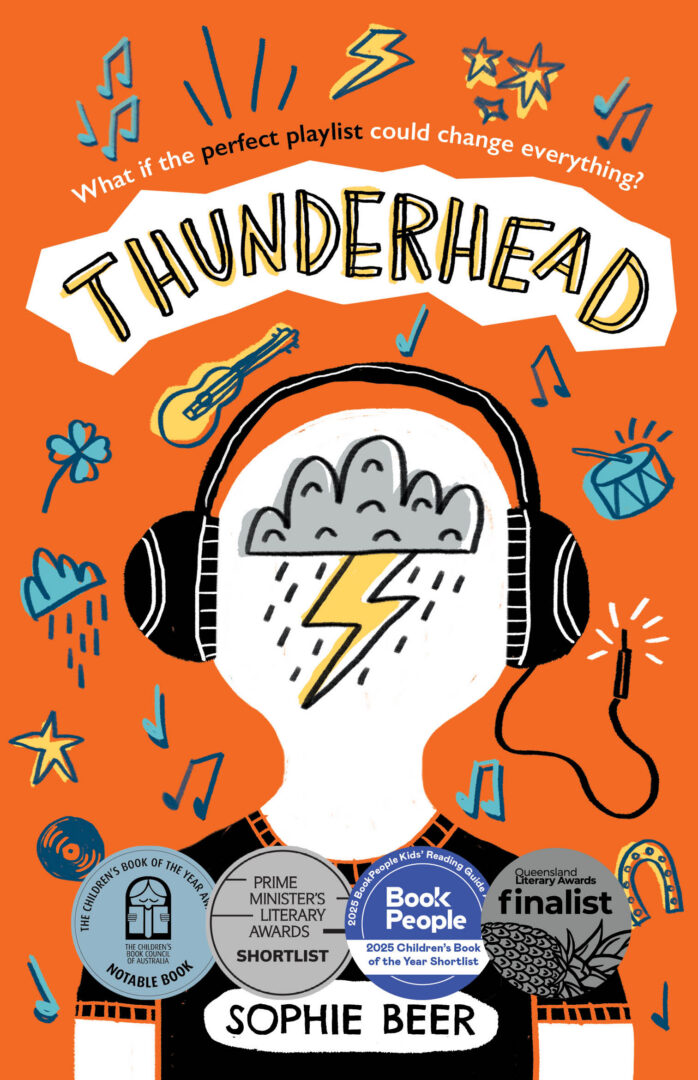 Thunderhead by Sophie Beer, p/b Allen & Unwin, RRP$17.99 Ages 9–13 years
This warm middle-grade novel follows Frankie, who loves music but is facing a brain tumour and hearing loss. Disability and illness are important parts of the story, but so are family, friendship, music and the ordinary complications of growing up. The story was informed by Beer’s own experience of hearing loss following a brain tumour.