
30 Jul What parents should know about children’s eye health and reading difficulties
When a child is struggling to read or keep up at school, it is natural for parents to look for possible causes, writes Dr Maree Flaherty. You may wonder whether their eyesight, eye movements or ability to “track” words across a page could be contributing.
While a comprehensive eye check is an important part of caring for a child’s health, the evidence shows that reading difficulties such as dyslexia are not caused by problems with eye movements or visual tracking.
Here is what parents need to know — and the steps that are most likely to help.
Reading difficulties are common
Learning to read is one of the most complex tasks the brain undertakes, and some children find it much harder than others.
Reading difficulties can range from mild problems that improve with extra classroom support, to dyslexia, where a child continues to struggle despite having normal intelligence and access to appropriate teaching.
Dyslexia is a common specific learning difficulty. It affects the way the brain processes language, particularly the ability to recognise how the individual sounds in words, known as phonemes, match their written forms.
With early identification and the right teaching, children with dyslexia can make strong progress and thrive at school.
Do vision problems cause dyslexia?
Dyslexia is primarily a language-based condition. It begins in the language-processing areas of the brain, rather than in the eyes.
Children with dyslexia generally have normal eye movements when they are completing tasks that do not involve reading. Research has also found that children born with conditions that restrict eye movement do not have higher rates of dyslexia. This supports the finding that eye movement and reading ability are separate functions.
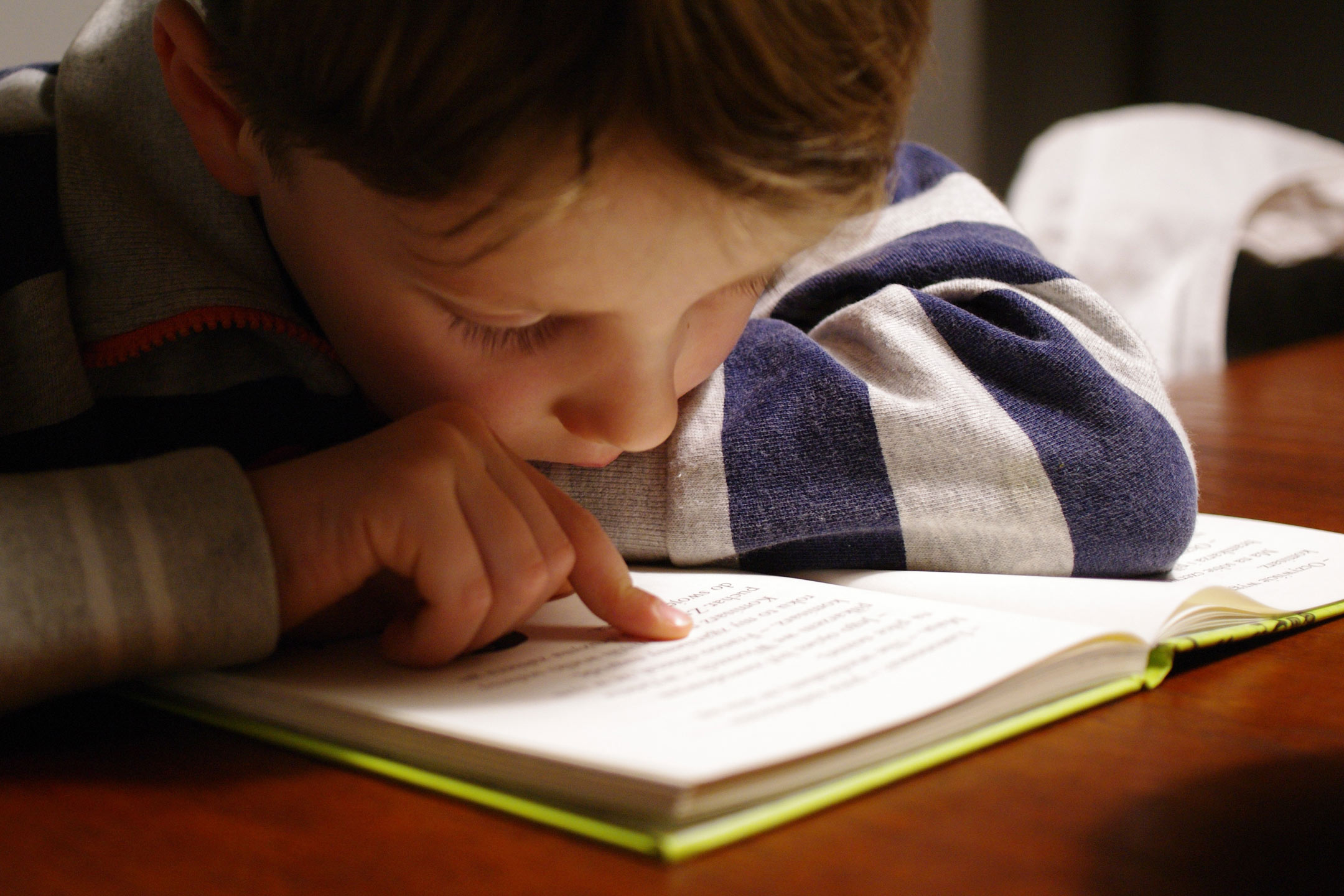
Parents may notice a child losing their place, skipping lines, rereading words or appearing to track poorly across the page. These behaviours can look like signs of an eye problem.
However, research suggests they are usually a result of the reading difficulty itself. When a child finds it hard to decode words, they may move more slowly across the page, pause for longer and return to words they have already read.
These are signs of a reader working hard, rather than evidence of a tracking disorder.
 What about vision therapy and eye exercises?
Some services promote eye exercises, coloured lenses or visual tracking programs as treatments for reading difficulties.
Parents should be aware that these approaches are not supported by strong scientific evidence and are not recommended by ophthalmologists as treatments for dyslexia.
Families understandably want to explore every possible option. However, time and resources are better directed towards literacy programs and educational support shown to improve children’s reading skills.
What can parents do?
If you are concerned about your child’s reading, begin by speaking with their teacher. Schools may be able to provide additional literacy instruction or a reading support program.
When difficulties persist, parents can consider the following steps:
- Seek an educational assessment. An educational psychologist can assess your child’s learning strengths and difficulties and recommend suitable support.
- Ask about structured literacy instruction. Programs that explicitly teach phonics, phonemic awareness, vocabulary, fluency and reading comprehension have strong evidence behind them.
- Talk to your GP or paediatrician. They can consider whether other developmental, health or learning factors may be contributing and coordinate further assessment if needed.
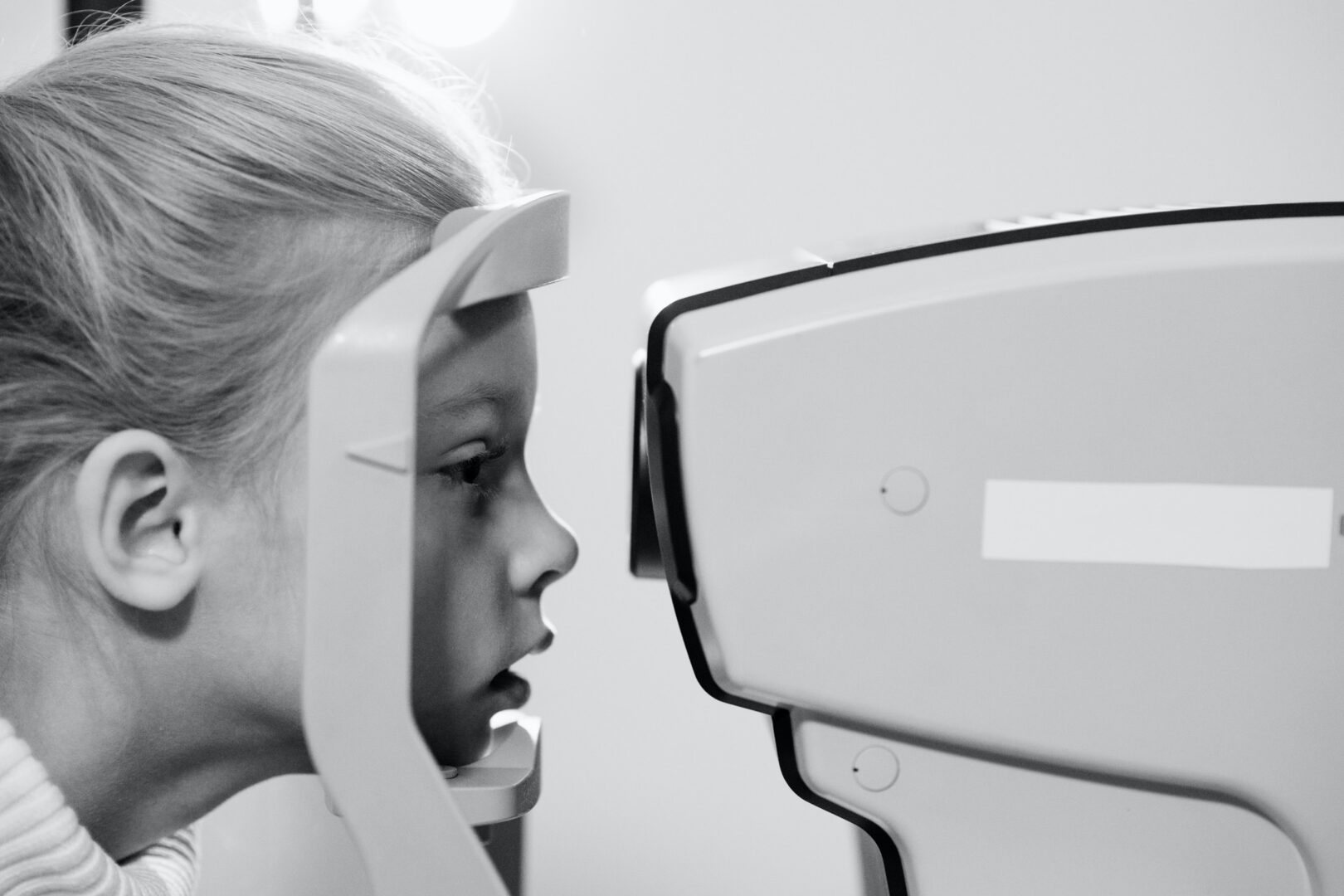
- Arrange an eye examination. Vision problems do not cause dyslexia, but children still need clear, comfortable vision for learning. An optometrist or ophthalmologist can check for short-sightedness, long-sightedness, focusing difficulties and other eye conditions.
Supporting a child who is struggling
Reading difficulties can affect a child’s confidence as well as their schoolwork. It helps to remind children that finding reading difficult does not reflect their intelligence or their potential.
Early assessment and evidence-based teaching can make a real difference. By working with your child’s school and appropriate health and education professionals, you can help them build their skills and become a more confident reader.
Dr Maree Flaherty, paediatric ophthalmologist and Fellow of the Royal Australian and New Zealand College of Ophthalmologists
This article is based on the RANZCO Position Statement: Learning Difficulties in Children, developed by expert paediatric ophthalmologists, led by Dr Maree Flaherty, and endorsed by the RANZCO Paediatric Special Interest Group and the Australian and New Zealand Strabismus Society.