01 Aug Foraging with kids: why wild food is best left untasted
Foraging can seem like a fun way for families to explore nature, but wild mushrooms and plants can carry risks that are difficult to see. A food safety expert explains why children should learn to look and enjoy — without tasting.
A walk through the bush or local park can quickly turn into a treasure hunt for children. They may spot berries, mushrooms or native plants and wonder whether they can eat them.
Foraging has become more popular in Australia, helped by social media, restaurant trends and growing interest in local foods. But UNSW food microbiologist Associate Professor Julian Cox warns that collecting food from the wild can expose families to poisonous species, bacteria, parasites and contamination.
Wild mushrooms are particularly risky
Some poisonous mushrooms look very similar to edible varieties, making identification difficult.
The death cap is one of Australia’s most poisonous mushrooms. Eating even a small amount can cause serious illness, organ failure and death. Symptoms may initially include vomiting and diarrhoea, then seem to improve before severe liver damage develops.
Yellow staining mushrooms are also commonly mistaken for field mushrooms and can cause nausea, vomiting and stomach pain.
Cooking does not make poisonous mushrooms safe because their toxins are not destroyed by heat.
“If you’re not 100 per cent sure what you’re foraging for, don’t eat it,” Associate Professor Cox says.
For families, the safest rule is to avoid eating wild mushrooms altogether.
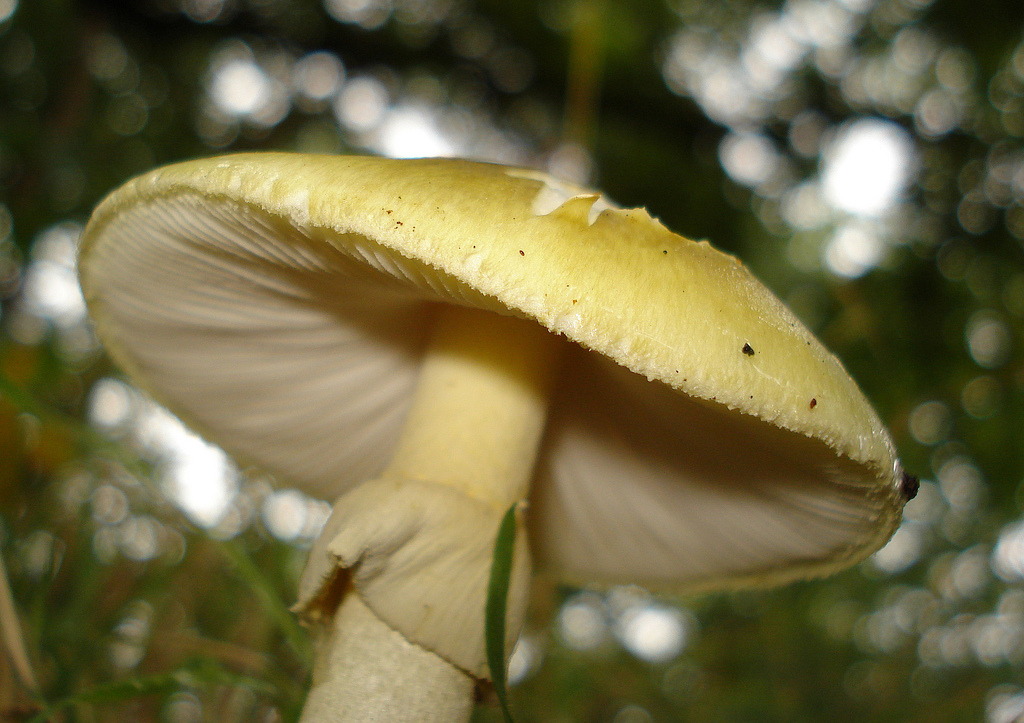
Death cap mushroom (Amanita phalloides). Image: Mick E. Talbot/Wikimedia Commons, CC BY-SA 3.0.
Death cap mushrooms can vary in colour and may resemble edible varieties. Families should never eat a wild mushroom based on a photograph, app or online identification.
The danger may be invisible
Even an edible plant can be unsafe if it has been contaminated by animal droppings, polluted soil, chemicals or dirty water.
Wildlife, pets and backyard poultry can carry bacteria and parasites that may find their way onto leaves, vegetables and herbs. Backyard produce should also be washed thoroughly before eating.
Foraged foods may absorb pollutants from the surrounding environment. A plant may look clean and healthy, but families usually have no way of knowing what it has been exposed to.
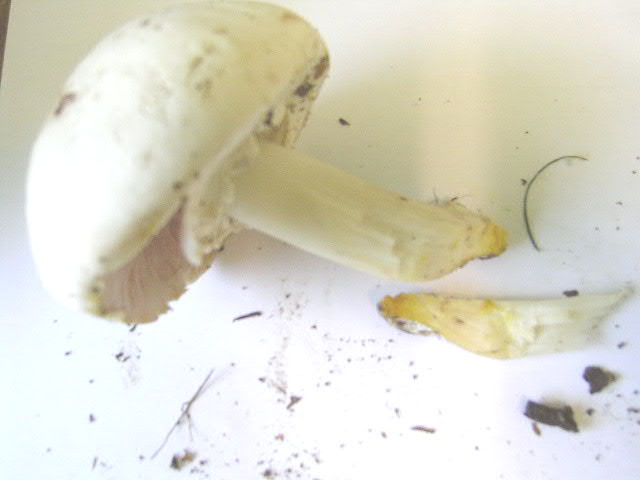
Yellow-staining mushroom (Agaricus xanthodermus). Image: Chilepine/Wikimedia Commons, public domain.
Families can still explore
Children can learn about native plants, mushrooms and seasonal foods without eating anything they find.
Families can take photographs, use field guides, join walks led by qualified local experts and teach children never to taste an unknown plant, berry or mushroom. Hands should be washed after handling soil or fungi.
It is also important not to rely solely on identification apps or social media photographs, as similar-looking species can easily be confused.
Foraging rules vary across Australia depending on the state, species and whether the land is public, private or protected.
What if a child eats something unknown?
Remove any remaining pieces from the child’s mouth, keep a sample or take a clear photograph if safe, and seek advice immediately.
Do not wait for symptoms. Contact the Poisons Information Centre on 13 11 26, available 24 hours a day. Call Triple Zero (000) if the child is unconscious, having difficulty breathing, collapsing or experiencing a seizure.
Foraging can encourage children to notice the natural world, but tasting does not need to be part of the adventure. When it comes to wild food, looking and learning is usually the safest choice.
More information: The Royal Botanic Gardens, Victoria has useful pages with identification photographs and descriptions:
The Gardens warns that there is no simple visual or home test that can establish whether a mushroom is poisonous. Its pages are therefore best used for education rather than as a guide to deciding whether something is safe to eat.