
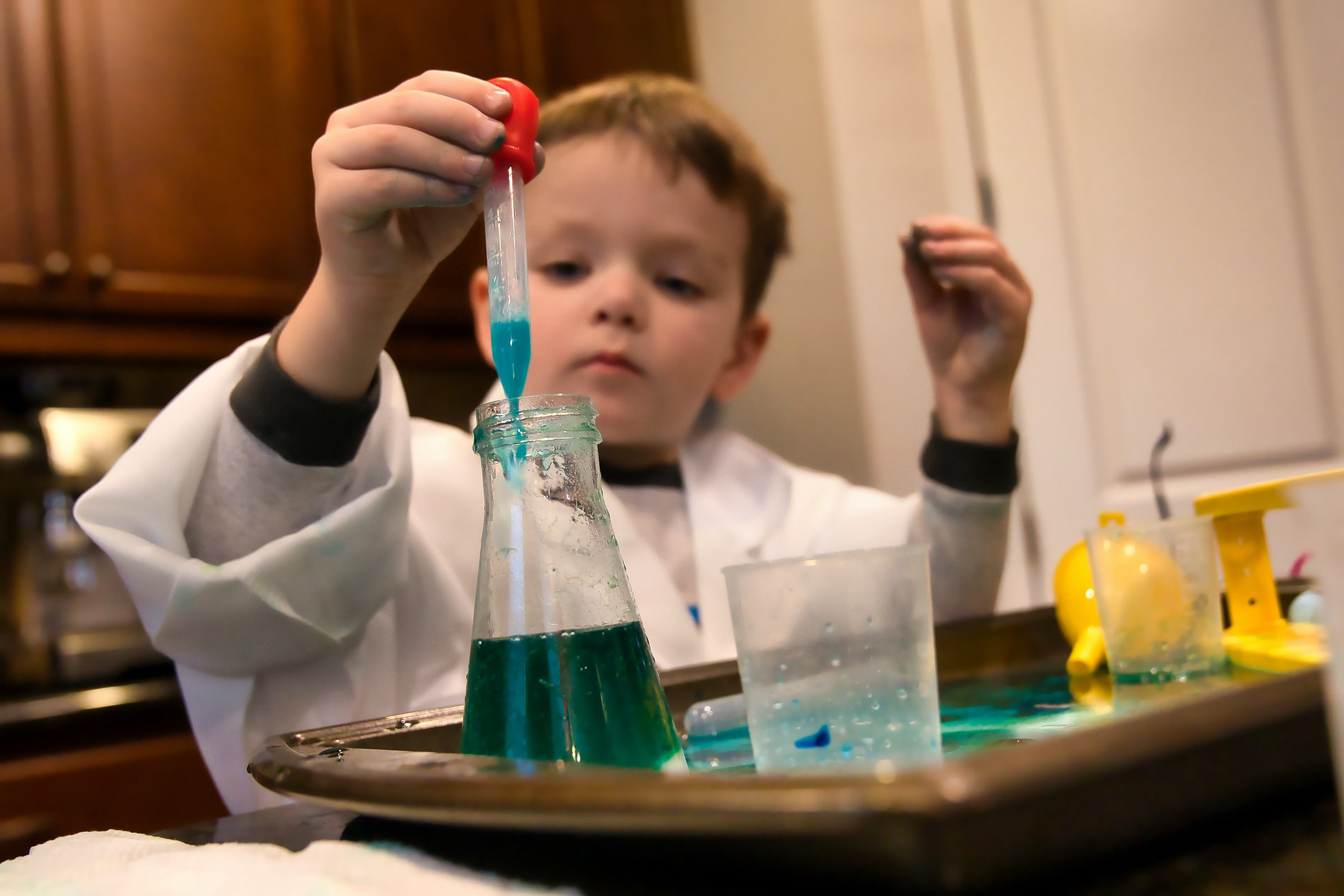
13 Aug Giant dinosaurs, robots and blobfish: National Science Week is back!
From dinosaur encounters and exploding science shows to robots, marine life, space and science storytime, National Science Week is giving families plenty of reasons to get curious this August.
National Science Week runs from 15 to 23 August 2026, with thousands of events and activities happening in schools, museums, libraries, universities, parks and science centres around Australia – as well as online.
And Australians certainly seem to have an appetite for science. In 2025, a record 2,594 registered National Science Week events and activities reached around three million people.
So what’s worth putting on your family calendar this year?
Some of our Science Week picks
Sydney – Sunday 23 August: Science in the Scrub in Western Sydney brings together giant dinosaurs, a First Nations Science Village, robotics, marine science, engineering challenges, frogs, insects and native animals.
Sydney Zoo – 15–23 August: Kids can discover how technology is being used to help wildlife – from smartphone apps that support turtle and frog conservation to building bee and bug hotels.
Canberra – from 15 August: How about balloon vegetables? Molecular biologist Dr Chloe Lim is combining science, storytelling, balloon twisting and tasting stations to introduce preschool and primary-aged children to the science of fruit, vegetables and healthy eating. There are also Science Week activities involving snakes, space, rockets and rocks.
Brisbane and the Gold Coast – 14–16 August: Science Week meets agriculture at Brisbane’s Ekka, while the Pacific Airshow Gold Coast brings aviation together with STEM education and Australian space and technology stories.
Adelaide – 22 August: Little Scientists, Big Blue takes families beneath the waves with marine science activities, ocean-themed learning and hands-on discoveries designed especially for younger scientists.
Naracoorte – from Friday 14 August: Young dinosaur and fossil fans can explore Australia’s prehistoric past at Naracoorte ROCKS, with science activities linked to fossils, caves and the world beneath our feet.
Melbourne – 22 August: Ever wondered who actually works behind the scenes at a museum? Families can meet some of the scientists and specialists whose work helps make Melbourne Museum tick.
Hobart – 15 August: Solar-powered boats and cars, Antarctic scientists, feral cats, science songs, makers and an augmented-reality sandbox are among the attractions at the Festival of Bright Ideas.
Perth – from 15 August: Families can explore the hidden life of seeds at Kings Park, discovering how seeds survive, move, grow and help shape ecosystems.
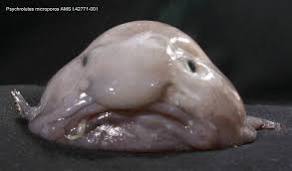
Blobfish Image credit- Kerryn Parkinson
Can’t get to an event?
Science Week isn’t only about big festivals.
Free online Science Storytime sessions are suitable for schools, homeschool groups, libraries and individual families. This year’s stories introduce children to frogs and their calls, Australia’s native rakali and one very misunderstood blobfish. (Bear to the Rescue, SciFest-2026 Science Story Time)
Schools can also get involved with the 2026 theme, Seeds of Science: nurturing science for all, which encourages children to explore how curiosity, questions and shared learning can grow into scientific understanding. A free teacher resource book and student journal are available.
- Find something near you here
National Science Week was first held in 1997 and has grown into one of Australia’s largest festivals. Events range from hands-on experiments, exhibitions and wildlife encounters to astronomy, Indigenous Knowledge, citizen science, technology, health and the environment.
With events continuing to be added, the easiest way to find what’s happening nearby is through the National Science Week Find an Event search, where families can search by location and topic
Blobfish Image credit- Kerryn Parkinson, NORFANZ Expedition. Courtesy of the Australian Museum.