
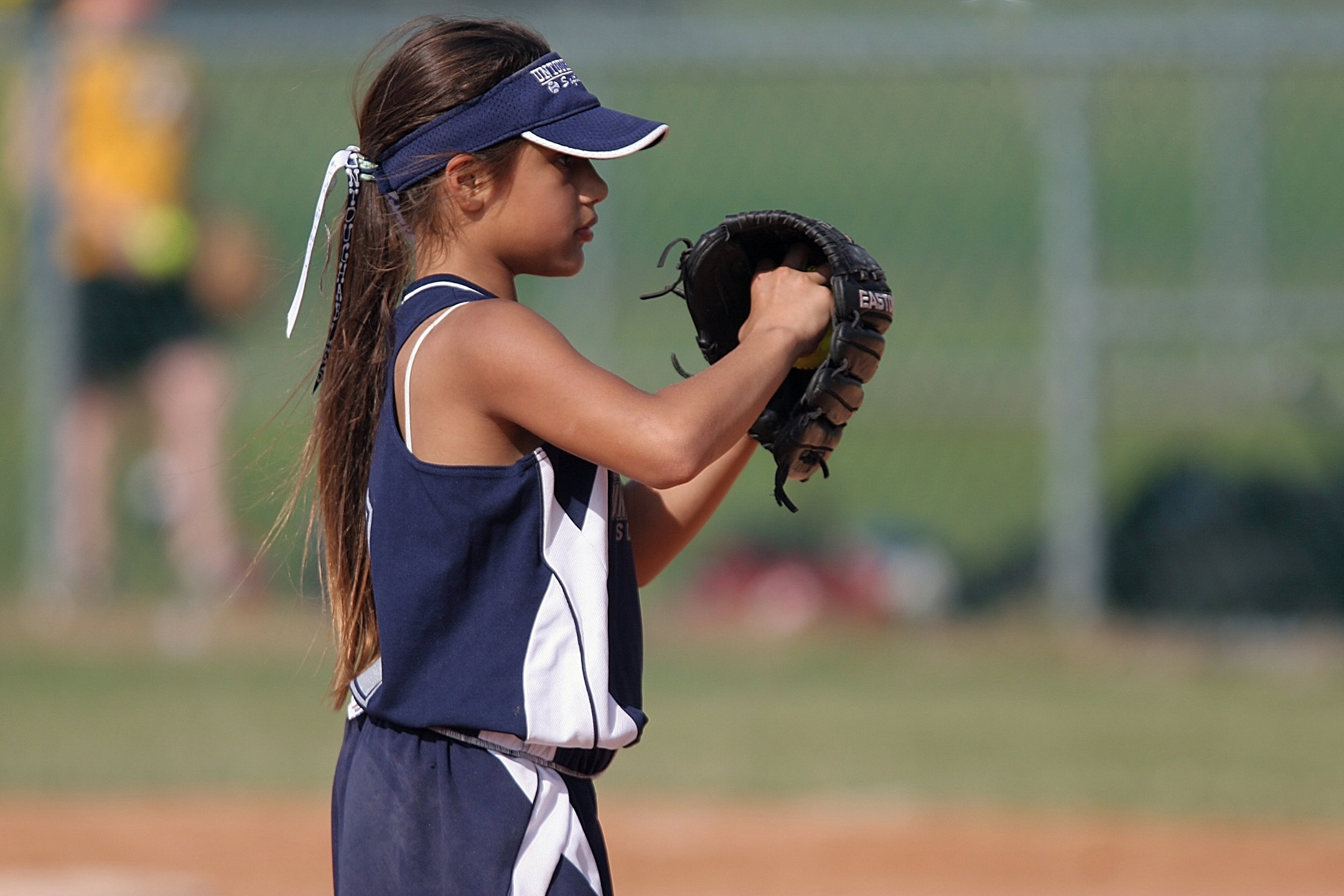
01 Oct Girls can play anything now — so why are women in sport still judged by their bodies?
A generation ago, Australian girls often had a much narrower choice of sports and few visible professional pathways. Today they can watch women play elite football, cricket, rugby league, AFL and much more. Yet the way women connected with sport are portrayed can still send girls a very different message: that appearance matters as much as achievement.
Girls have played sport for generations. Netball, hockey, softball, swimming, tennis and athletics have long provided competitive opportunities for women and girls.
What has changed dramatically is the professional landscape.
Today a girl kicking a football can see women competing in the AFLW. A young rugby league player can watch the NRLW. Footballers can follow the A-League Women and the Matildas, while cricketers have the WBBL and internationally recognised Australian players.
Many of those pathways are relatively recent. The W-League, now A-League Women, began in 2008; the Women’s Big Bash League followed in 2015; AFLW launched in 2017 and the NRLW in 2018.
That matters because girls can now see something previous generations rarely could: sport as a possible future, not simply something they do at school.
From ‘girls’ sports’ to simply sport
For decades, sport was often divided informally into what girls did and what boys did.
Girls might be directed towards netball or hockey while boys were more likely to be offered football codes. Those distinctions haven’t disappeared completely, but they have weakened substantially.
Australian participation figures now show girls playing everything from swimming and gymnastics to football, basketball, athletics and Australian football.
Seeing women tackle, kick goals, captain national teams and fill stadiums tells girls that strength, speed and sporting ambition belong to them too.
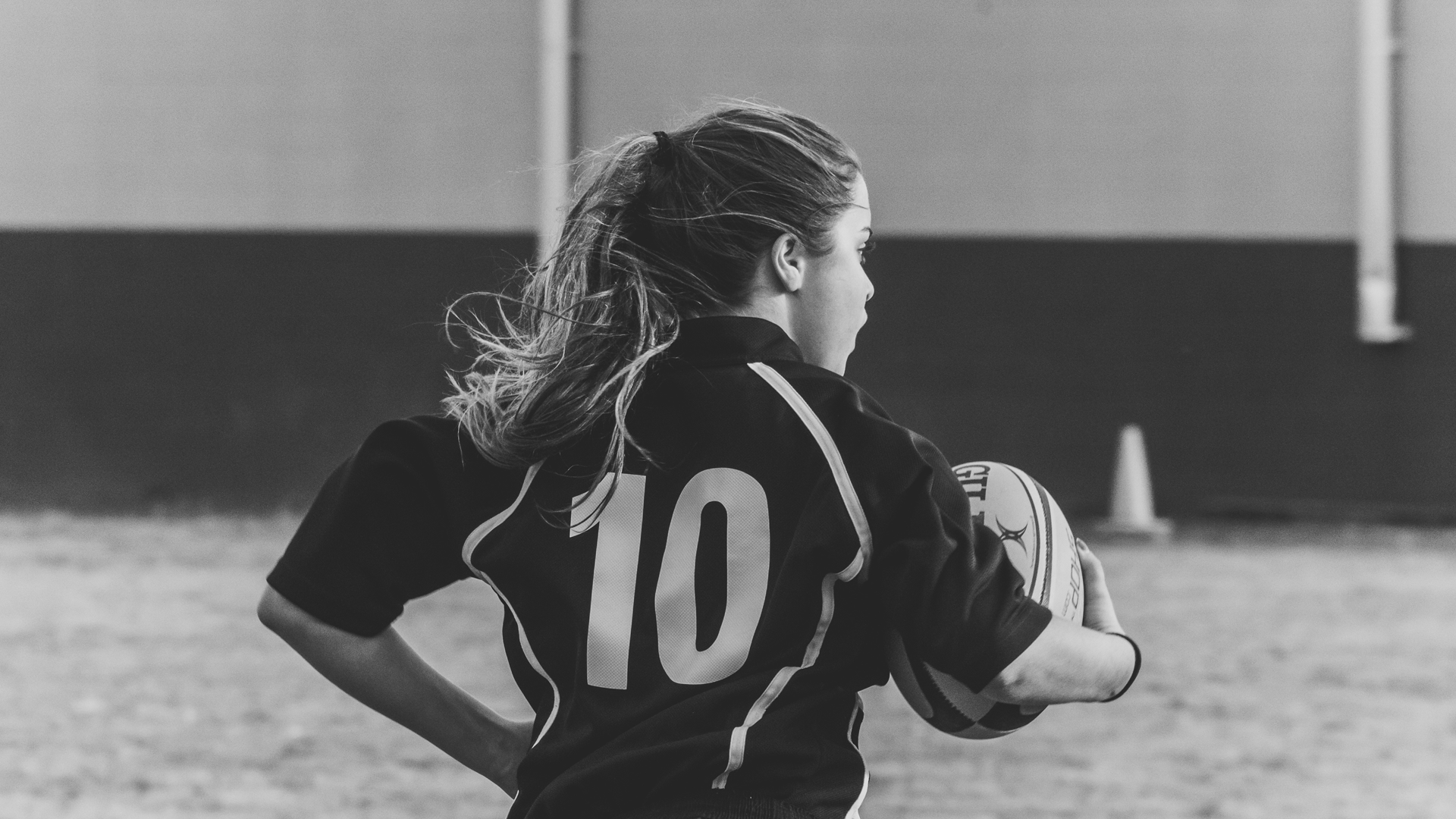 But another message hasn’t disappeared
Alongside that progress sits a much older habit: judging women by how they look.
A recent sports-betting advertisement featuring actor Sydney Sweeney in sporting settings prompted criticism from female athletes about the sexualisation of women around sport.
Australian Olympic swimming champion Ariarne Titmus was among those who spoke out, describing the advertisement as “a kick in the face to every woman who has dedicated her life to perfecting her craft”. She also questioned why sexualising women’s sport was still being used as a marketing device.
The issue needn’t be whether an adult woman should or shouldn’t appear in a sexualised advertisement. She can make that choice.
The more useful question for parents is what girls repeatedly see when women are used in promotions connected with sport.
Are women being shown because of what they can do — their speed, strength, skill and expertise — or primarily because of how they look?
Why representation matters
For a child watching sport, role models broaden the range of lives she can imagine.
Women are still under-represented in some areas of Australian sport. In 2025, women made up about 36 per cent of coaches and 39 per cent of officials, while only 22 per cent of CEOs across Australian Sports Commission-funded national sporting organisations were women in 2023.
Representation isn’t simply about having women on television. It is also about what they are valued for when they appear there.
A young player seeing an elite footballer celebrated for a tackle, a goalkeeper for a save or a cricketer for an innings receives a different message from one in which a woman’s connection with sport is mainly decorative.
The conversation doesn’t need to become a lecture
Parents don’t need to shield children from every advertisement or celebrity image.
A few questions can start a useful conversation:
What do you think they’re selling? Why do you think they’ve shown the woman that way? Would they advertise it the same way with a male athlete?
Those conversations teach media literacy without telling girls how women should dress or suggesting that sexuality itself is shameful.
Women having greater freedom to play sport and women having control over their own appearance are not contradictory ideas.
The question is whether girls grow up seeing enough different versions of women — competitive, funny, strong, skilled, ambitious, ordinary and imperfect — that no single image becomes the definition of what a successful woman should look like.
A very different sporting future
There is still unfinished business in Australian women’s sport, but the future facing today’s girls is already very different.
A girl starting primary school today can reasonably expect that many sports available to the boys beside her are also open to her — right through to elite competition.
Perhaps the next step is ensuring the culture around women’s sport catches up with the opportunities on the field.