

28 Nov ‘No one spoke up for me’: why Jelena Dokic is speaking up for girls
Jelena Dokic became one of the world’s best tennis players while enduring years of abuse behind closed doors. Now the former champion is drawing on her own experience to help girls facing violence, exploitation and child marriage.
To tennis fans, Jelena Dokic was once the teenager with extraordinary talent who climbed into the world’s top 10 and eventually reached world No. 4.
What the public did not know was what was happening away from the court.
Dokic has since spoken and written extensively about the physical and emotional abuse she endured from her father, Damir Dokic, from childhood. Her 2017 memoir Unbreakable revealed the extent of that violence and the fear and control that accompanied her rise through professional tennis.
Now she is using those experiences for a very different purpose.
 “No one spoke up for me”
Dokic has become an ambassador for World Vision Australia’s 1,000 Girls Campaign. The campaign focuses on girls vulnerable to violence, exploitation, child marriage and being forced out of education.
For Dokic, the connection is personal.
“Growing up, no one spoke up for me,” she says.
“I know how devastating it is to have your voice stripped away, and I refuse to let that happen to other girls. I want to be a voice for those who don’t have anyone to speak up for them.”
“As a survivor of abuse, I know how important it is for every child to feel safe, valued and believed in.”
Dokic has returned to that theme repeatedly since telling her story publicly. Unbreakable was followed by Fearless, and her third book, Live Free, is due in November, exploring self-worth, vulnerability and moving beyond shame.
 Meeting girls in Bangladesh
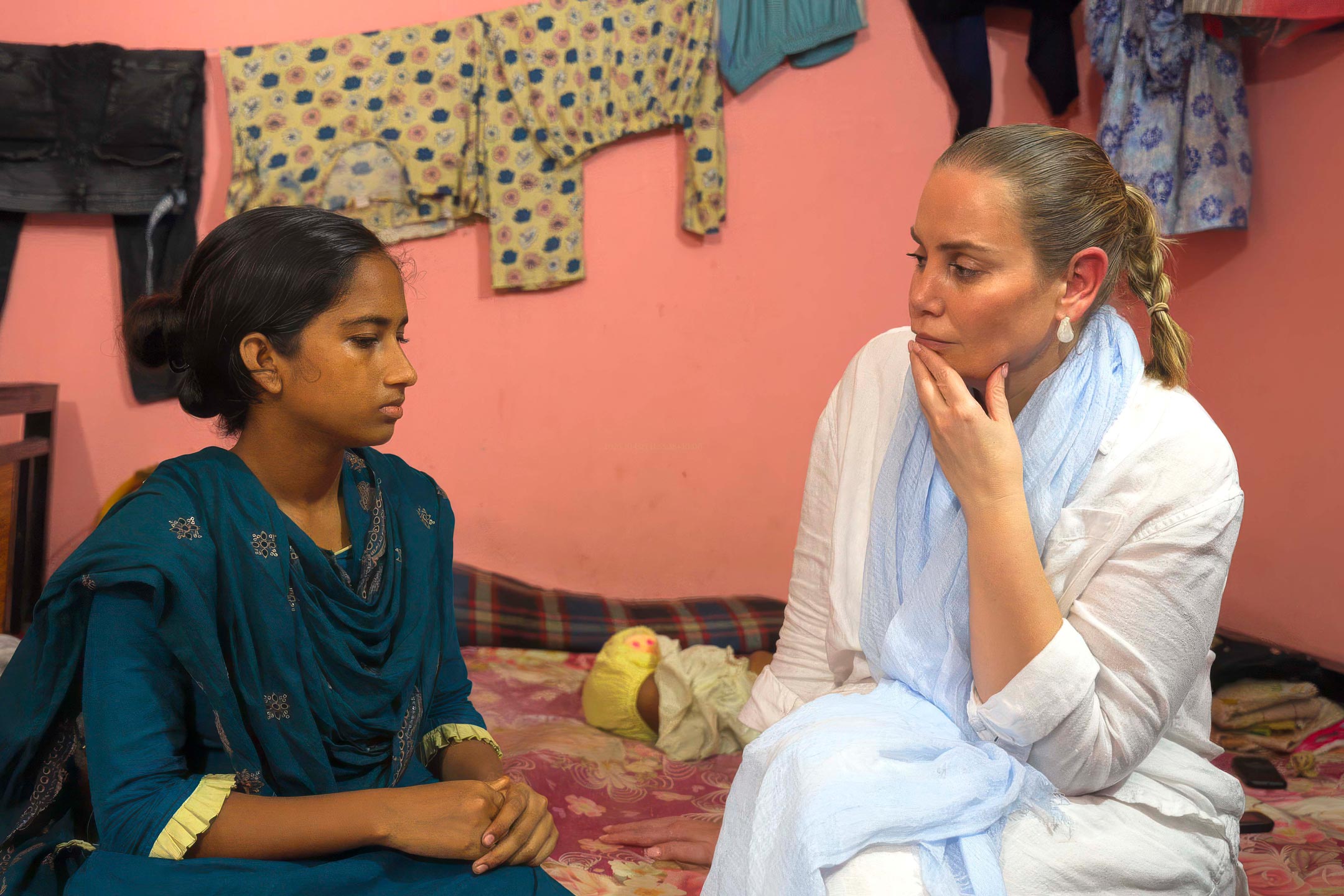
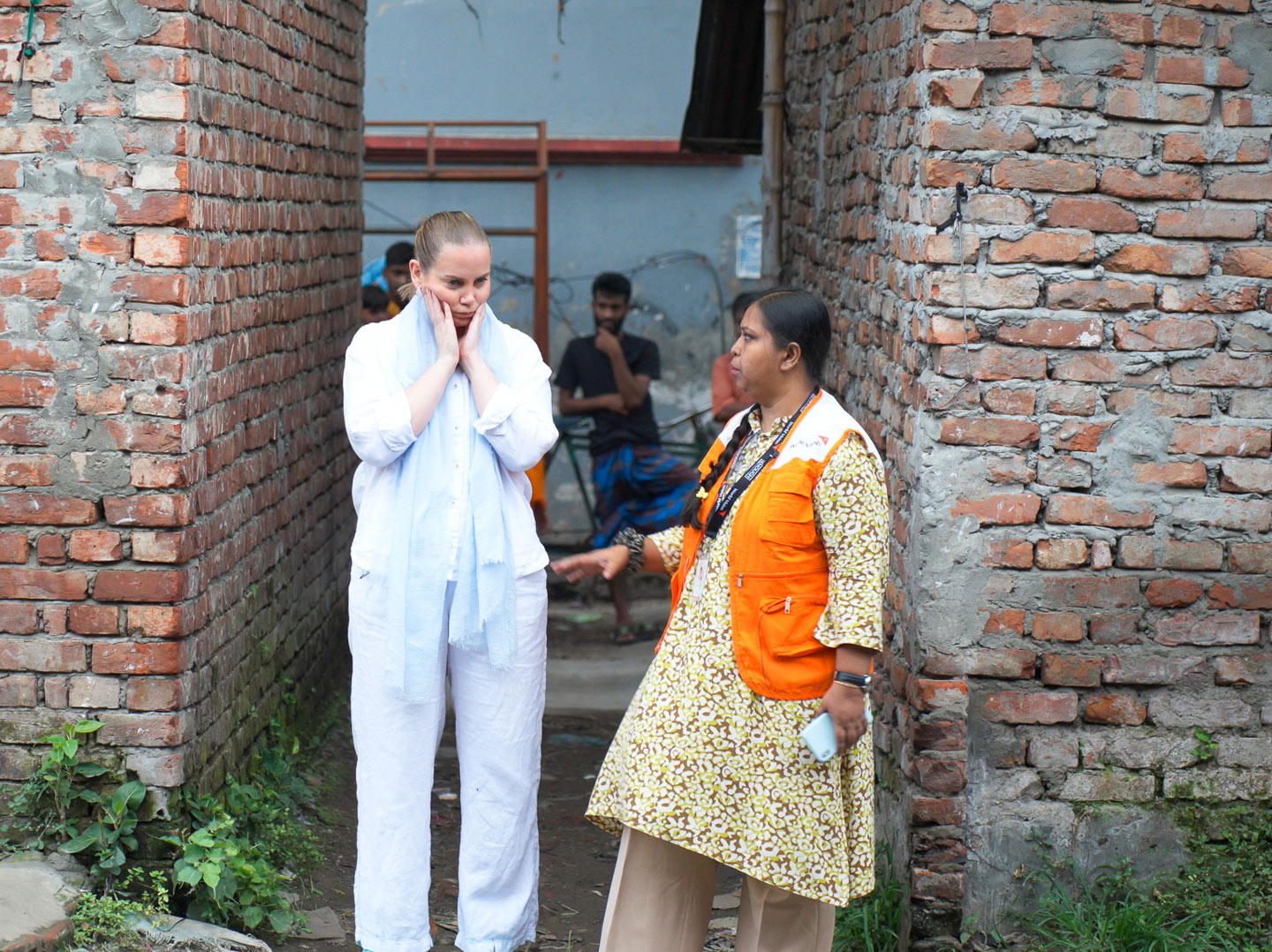
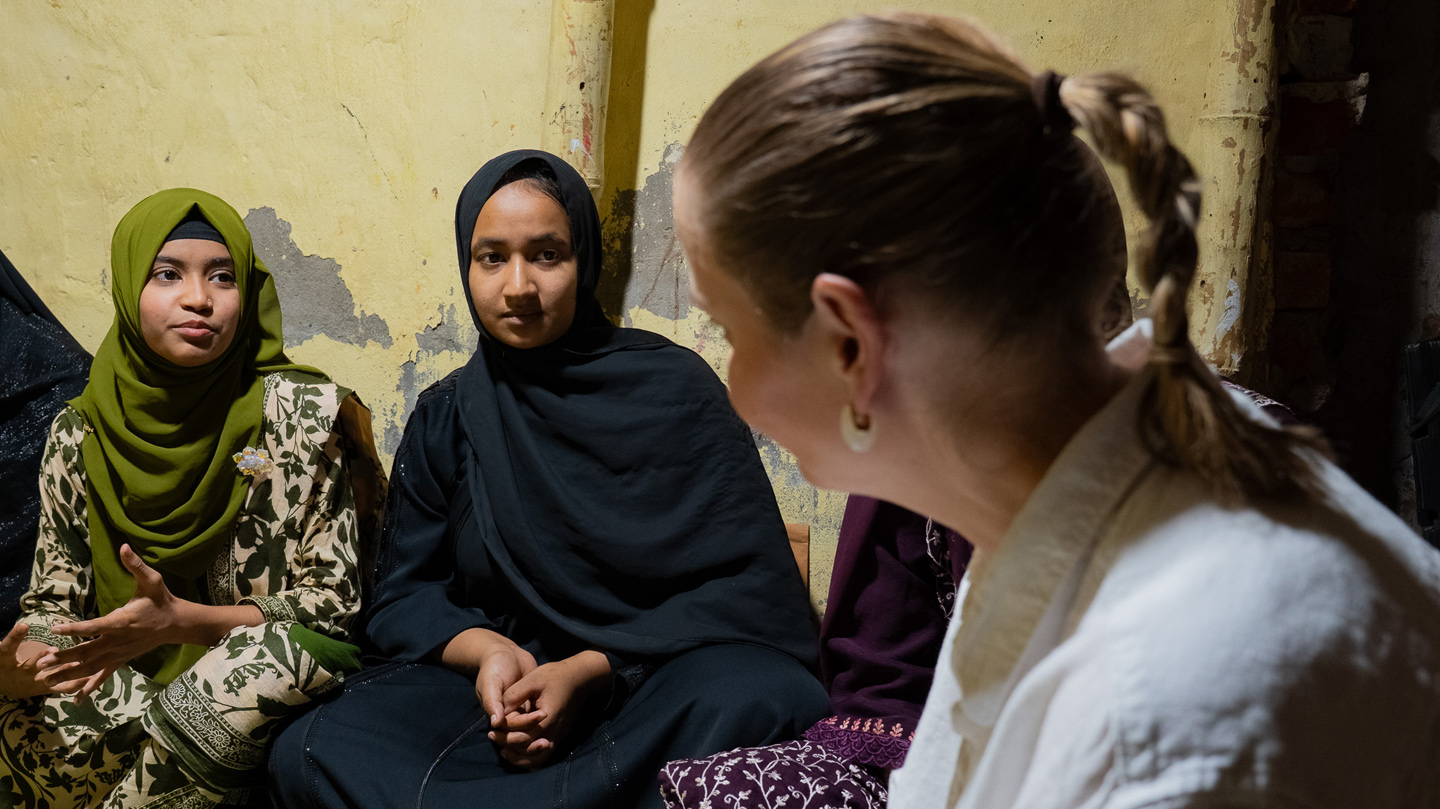
Dokic recently travelled with World Vision to Bangladesh, where she met girls affected by child marriage, poverty and gender-based violence, as well as young people involved in education and child-protection programs.
Child marriage remains a major global problem, with millions of girls still facing violence and restrictions on their education and future.
But Dokic says she also saw what can happen when girls receive support.
“Meeting these resilient, incredible young women, and seeing how child sponsorship is helping girls stay in school, remain safe and dream about their futures is something I’ll never forget,” she says.
“I can’t change what happened to me, but together we can change what happens to another girl.”
Finding a voice after abuse
That is what makes Dokic’s involvement especially powerful.
Her public story is no longer only about surviving what happened to her as a child. She has also spoken about how telling the truth helped her reclaim a voice she had spent years being afraid to use.
Today she is a commentator, author and advocate as well as a former tennis champion.
For parents, her story carries a simple reminder: children need adults who notice, listen and take them seriously.
And for Dokic, speaking up for girls who may not yet be able to speak up for themselves has become part of what comes next.
Find out more: To learn more or to sponsor a girl visit worldvision.com.au/sponsor-a-girl