
05 Feb Screen Smart Children: Helping Kids Thrive as Australia Limits Social Media for Under-16s
Australia introduced new rules on December 10th, 2025 requiring social media platforms to stop children under 16 from creating or maintaining accounts. This extract is from Screen Smart Children, which answers many of the burning questions parents might have.
One reason for the new social media restrictions is pretty simple: we already limit kids access to things like smoking alcohol and gambling, because we know they’re addictive and can be harmful. Young people just aren’t ready to manage the risks associated with those activities. Social media is no different; it’s designed to be addictive and it’s been proven to affect a child’s mental health and their developing brain. So, just as we protect our kids from other things they aren’t ready for, it makes sense to put boundaries around social media too.
Some people say that kids need social media to learn how to be good “digital citizens”, but the truth is that many of us learned how to use these platforms as adults, without needing years of practice as children (although, there are a lot of adults behaving poorly online). We teach our kids about the dangers of alcohol and gambling and we wait until they’re mature enough before letting them make their own choices. Social media, with all its potential pitfalls, is the same.
There’s also been some confusion about whether the new rules will stop kids from learning online, especially from platforms like YouTube or TikTok. The reality is that the restrictions are about personal accounts for kids, not about blocking access to useful videos. Teachers can still show educational content and students can watch most videos without signing in. The big difference is that tech companies won’t be able to collect personal data and target kids with addictive features or advertising. Such data has been a core driver of the business model for many online platforms. The change will not affect education despite the tech companies’ rhetoric suggesting otherwise.
And what about socialising?
While it’s true that kids like to chat and connect, it’s important to remember that social media platforms are designed for advertising, not for true social connection. Tristan Harris, co-founder of the Centre for Humane Technology, worked for Facebook in the early days. Tristan came up with a new button that, when clicked, sent a message to all your friends who were nearby and happy to meet up. Facebook executives quickly removed the button because they realised it was facilitate real-life socialising. And when that happened, they knew people wouldn’t be on their devices. Have no doubt that these apps are designed to keep kids scrolling, not to help them build real friendships.
Finally, some families worry that social media is important for young people from minority backgrounds, including the LGBTQIA+ community. While online spaces can offer support and information for individuals from minority groups, they are four times more likely to be harmed, bullied, trolled and experienced negative mental health issues after spending time on social media.
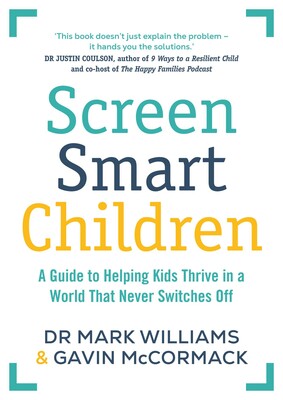 Whether you’re a parent or teacher, this is your guide to raising capable, compassionate and tech-wise kids in a hyper-connected age.
Written by Dr Mark Williams and Gavin McCormack, pub. Simon & Schuster Australia, RRP$29.99
ISBN13: 9781761639715