
29 Jan Smart School Lunches: a Guide for Packing Healthy, Kid-Friendly Lunch Boxes
Why what kids eat at school still matters – and how to keep it realistic
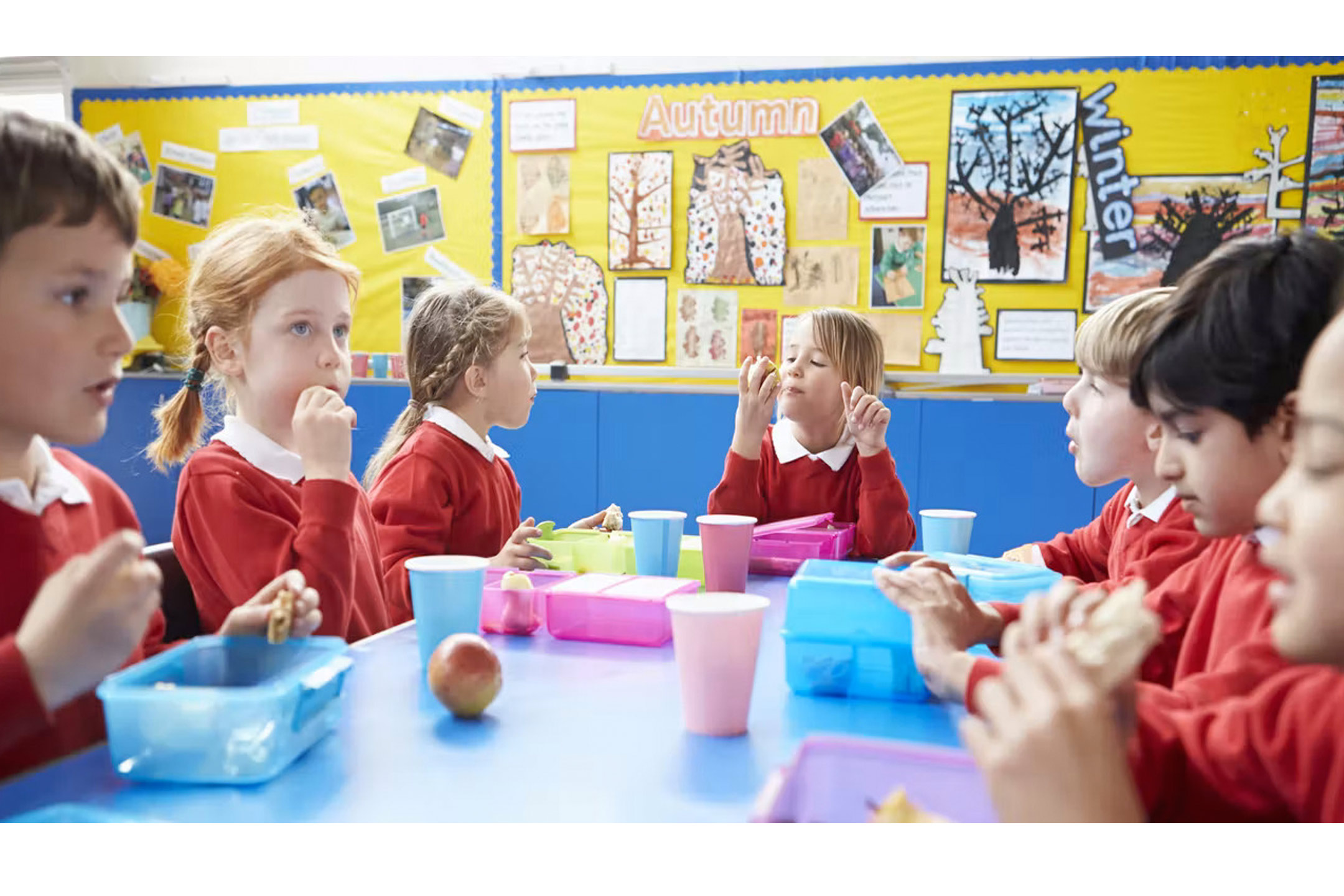
The first weeks of a new school year often bring a surprising mix of emotions – and not always from the kids. Many parents feel the pressure most keenly at the lunch box stage: Will they eat it? Will it be healthy enough? Should I include a treat?
Those worries are completely normal. Packing a lunch box can feel like one of the few tangible ways parents can support children as they step into a bigger, more independent world. The good news? School lunches don’t need to be perfect to be effective.
Food and learning: the basics still matter
Children’s brains grow rapidly in the early years and continue developing well into adolescence. While the science has advanced over the past two decades, the fundamentals remain the same: children need regular fuel, protein, iron, healthy fats, and enough energy to concentrate, regulate emotions and learn.
Today, nutrition challenges look a little different. Instead of shortages, many Australian children experience what experts describe as “nutrient gaps” — plenty of calories, but not always enough of the nutrients that support growth, attention and wellbeing. Highly processed snacks, sugary drinks and convenience foods can crowd out more nourishing options.
Breakfast still counts
Breakfast remains one of the most important meals of the day for school-aged children. The brain relies on glucose for energy, and children who skip breakfast often struggle with concentration, mood and stamina.
If mornings are rushed or your child isn’t hungry early, think flexible rather than perfect. Options might include:
- toast or a muffin eaten on the way to school
- yoghurt, milk or a smoothie
- fruit with a slice of cheese
- a boiled egg and a piece of fruit
The goal is simply something nourishing before the school bell rings.
 Lunch boxes in 2026: what’s changed
Modern school lunches look different to those of years ago. Many schools now encourage:
- “Nude food” (less packaging)
- Allergy-aware lunches (especially nut-free)
- Water bottles instead of juice
- Reusable bento-style lunch boxes
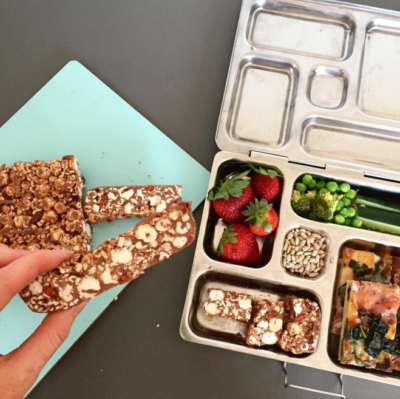
Bento boxes are popular because they help with portioning and variety, but they can be tricky for younger children. Whatever container you choose, make sure your child can open it independently — including lids, drink bottles and wrappers. This is just as important as what’s inside.
What to pack (and what to limit)
A balanced lunch box doesn’t need to be elaborate. Aim for a mix of:
- Protein (cheese, yoghurt, eggs, chicken, hummus)
- Wholegrains (wraps, wholegrain crackers, rice cakes)
- Fruit and vegetables (fresh, chopped, or frozen snack packs)
Foods to limit include salty snack foods, lollies, fruit straps and sugary drinks. These can increase thirst, contribute to tooth decay, and lead to energy crashes during the school day.
Practical, kid-friendly lunch box ideas
These options balance nutrition, ease and enjoyment:
- grated or sliced cheese
- mini wraps with vegemite, cheese or chicken
- chopped fruit (frozen grapes or berries are favourites in summer)
- cherry tomatoes or cucumber sticks (cut safely)
- mini yoghurts or custards
- small chicken drumsticks or leftover roast chicken
- wholegrain crackers
And yes — it’s okay if a small treat appears occasionally. What matters most is the overall pattern, not one lunch box.
A final word for parents
Learning to manage a lunch box, peel fruit, open containers and eat independently are all part of starting school. Praise the effort, not the empty container. Some days the lunch will come home untouched — and that’s okay.
And when the school day ends? A snack and a chat with a parent or carer is still one of the most nourishing rituals of all.