
27 Nov Why Handwriting Still Matters: How Putting Pen to Paper Builds Smarter, More Creative Kids
Did you know handwriting can boost your child’s brainpower? Discover why learning to write by hand still matters — for creativity, focus and lifelong learning.
The lost art of handwriting
In an age where children spend hours each day tapping and swiping, the simple act of writing by hand is quietly disappearing. But handwriting is far more than neat letters on a page — it’s an essential brain workout.
CQUniversity Adjunct Senior Education Lecturer Dr Ragnar Purje says learning to write by hand helps children learn to think.
“Handwriting isn’t just about penmanship,” he explains. “It’s a brain-building exercise. When children learn to write using the correct technique, they’re wiring their brains for creativity, critical thinking and communication.”
Studies using brain scans have shown that writing by hand activates more complex neural activity than typing. It strengthens the brain areas linked to language, memory and problem-solving — skills every parent wants for their child.
Getting the grip right
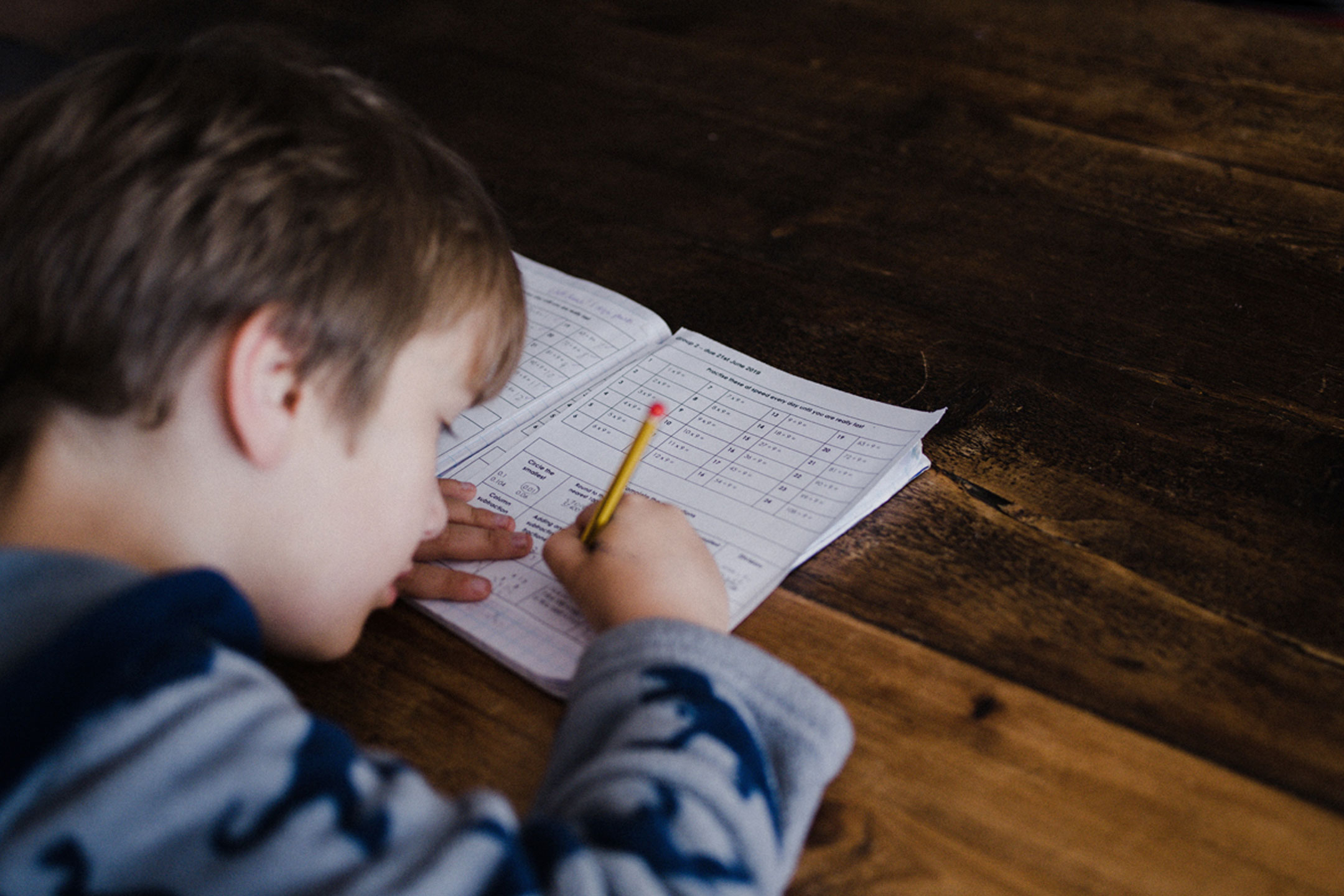
Something as small as how a child holds their pencil can make a big difference. The tripod grip — where the pencil is held between the thumb and index finger and rests on the middle finger — provides the best control and comfort.
“Once handwriting becomes automatic, a child’s brain is freed to focus on ideas rather than the mechanics of writing,” says Dr Purje. “That’s when creativity really starts to flow.”
💡 Parent tip: Encourage your child to practise writing in fun ways — from doodling and journalling to writing shopping lists or birthday cards. Little and often makes a big difference.
Too much screen time, too little skill
Dr Purje warns that growing screen time is affecting children’s development. Research shows kids now spend more than two hours a day on screens, and one in four shows delays in fine motor or language skills by school age.
“These findings are a wake-up call,” he says. “If children aren’t using their hands to write and create, they’re missing out on vital brain development.”
Just like learning a sport or an instrument, writing takes demonstration, practice and repetition. “No one gets good at piano by watching someone else play,” he adds. “It’s the same with handwriting.”
Your pen is a cognitive gym
CQUniversity’s Professor Ken Purnell, Head of Educational Neuroscience, calls handwriting “one of the most powerful — yet underappreciated — tools for learning.”
“Handwriting lights up the brain like a Christmas tree,” he says. “Typing records words; handwriting builds understanding.”
Each handwritten word connects movement, memory and meaning — creating the perfect conditions for deeper learning.
“If we want students to think critically and retain what they learn,” Professor Purnell says, “we need to put the pen back in their hands.”