

29 Jan Back to School 2026: Small Changes That Make a Big Difference for Kids
As the new school year approaches, many families feel the familiar mix of excitement, nerves and long to-do lists.
From resetting routines to packing lunchboxes and navigating technology, the return to school can feel overwhelming — but experts say it’s often the small, practical changes that make the biggest difference.
Digital literacy is more than screen rules
With AI tools and online platforms now embedded in learning, digital literacy needs to move beyond simple “do’s and don’ts”. Children benefit most when they understand how the online world works — why content appears, how decisions are influenced and how to make safe, informed choices.
At home, this can look like talking through online decisions, asking children how technology is used at school, and treating digital skills as an ongoing life skill rather than a one-off conversation.
Helping children manage food allergies safely
Starting school can be especially challenging for children with food allergies. While adults play a crucial role in keeping children safe, experts say children also need age-appropriate skills to help protect themselves.
Key safety messages include learning to say “no” to unfamiliar food, washing hands before and after eating, checking food with an adult or teacher, and asking for help if they feel unwell. Building confidence early can help children navigate school more safely and independently.
Gently transitioning out of holiday mode
Rather than an abrupt shift back into school routines, a gradual “wind-down” in the final weeks of holidays can help. Earlier bedtimes, fewer outings and calmer days allow children to reset.
Practical preparation also helps ease first-day nerves — washing and trying on uniforms early, organising bags, and having basic supplies ready. Letting children choose a few new stationery items they genuinely like can also boost motivation.
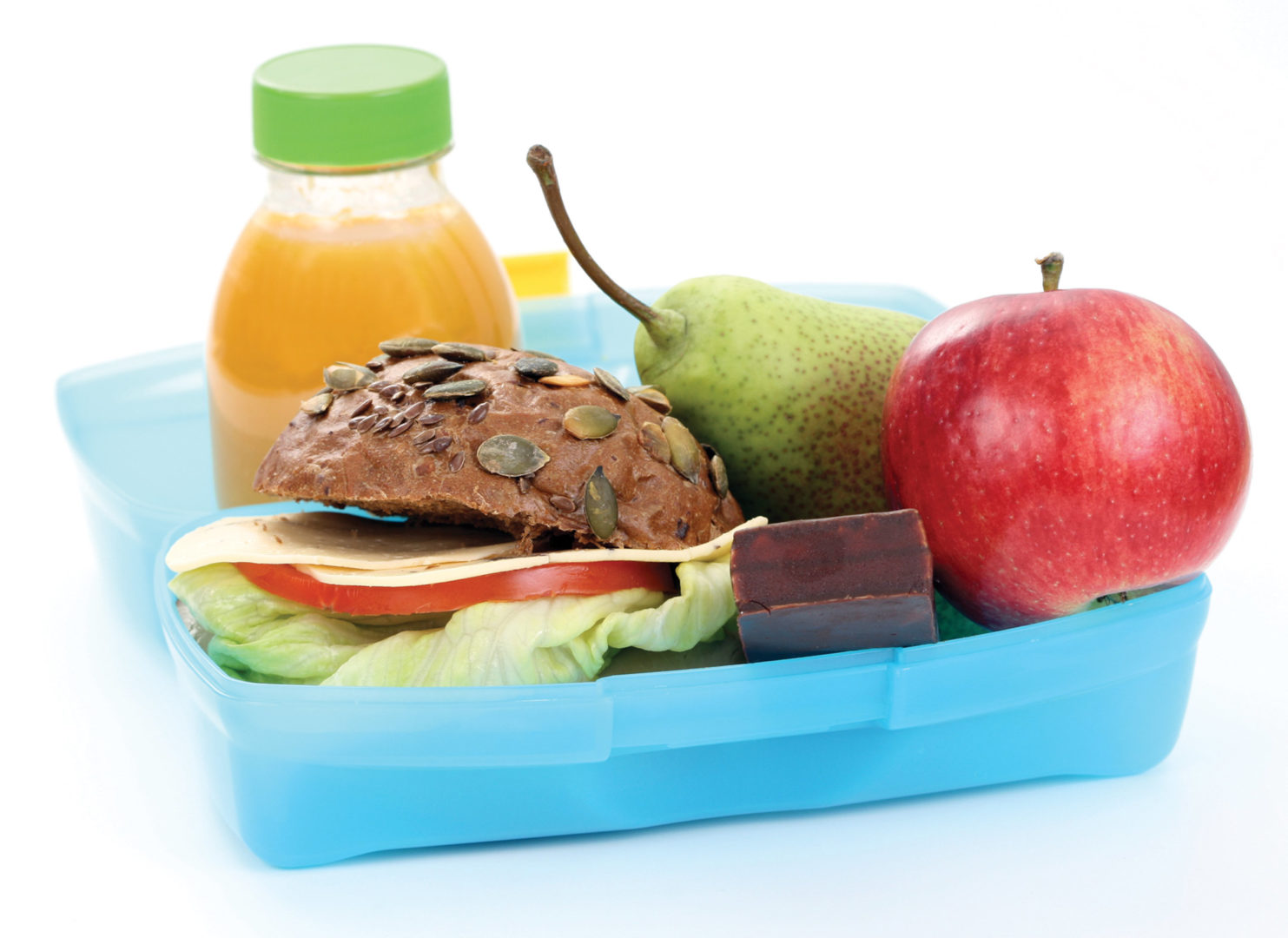 Lunchboxes that get eaten (and stay safe)
Research shows many students feel hungry during the school day, often skipping meals or relying on snacks. Realistic lunchboxes matter more than perfect presentation.
Focus on foods children enjoy and will eat, include protein, whole grains, fruit and vegetables, and pack food safely — especially in warmer months. Insulated lunchboxes, freezer packs and good hand hygiene reduce the risk of foodborne illness.
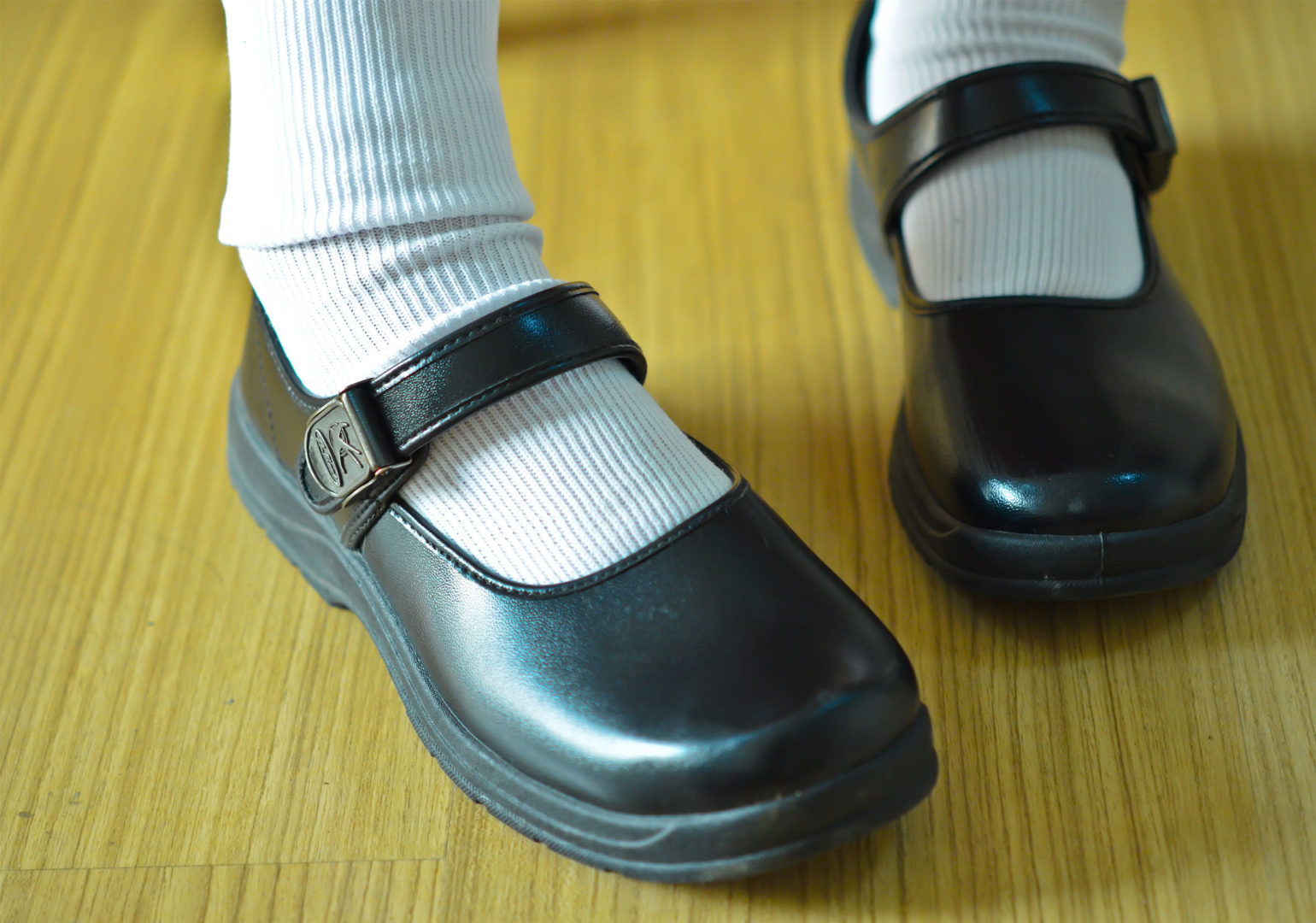 Shoes, budgets and confidence
Children spend many hours in school shoes, so fit and comfort matter. Supportive shoes with room to grow can help developing feet. The back-to-school shop is also a chance to involve children in budgeting — comparing prices, discussing needs versus wants, and learning that not everything needs replacing each year.
The takeaway
Back to school doesn’t need to be a complete reset overnight. A calmer lead-in, realistic expectations and small, intentional changes can help children start the year feeling confident — and help parents feel more in control too.
This article draws on research and advice from education, health and wellbeing experts at Western Sydney University.
See also Healthy School Lunch Boxes