
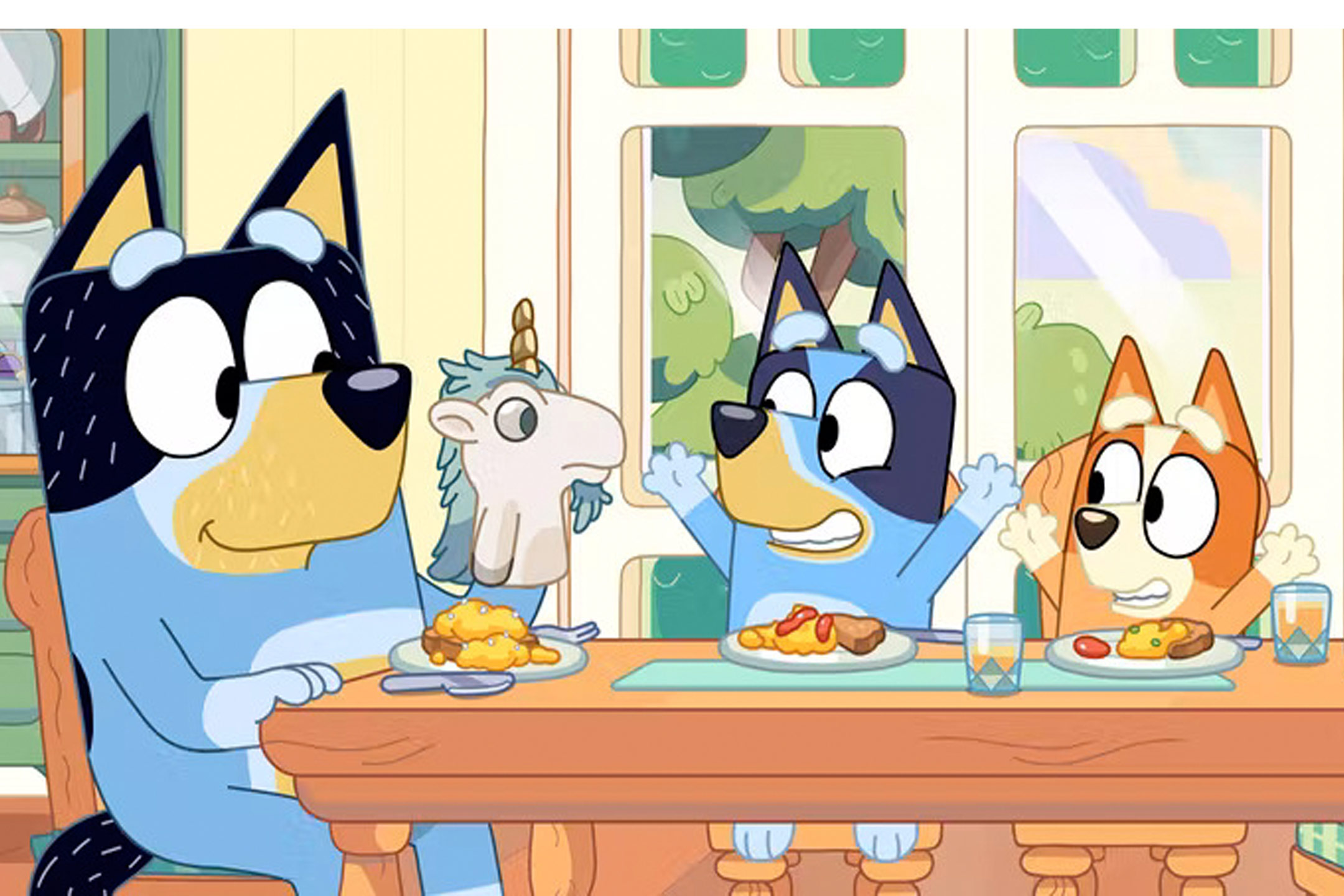
18 Jun Why Aussie kids need more local shows on their screens
Australian children are growing up with more screen choices than ever before, but new research warns they may be seeing fewer stories that reflect their own lives, communities and culture.
A new RMIT University report, Australian Children’s Television at the Crossroads, says Australia’s children’s television sector is under serious pressure, with fewer new local programs being made for children and tweens. The report warns this could leave young audiences more reliant on overseas shows, global streaming platforms and video-sharing apps at a time when families and governments are already concerned about children’s online experiences.
Why local stories matter for kids
For parents, this is not just a media-industry issue. Local children’s television has long helped Australian kids see familiar accents, landscapes, schools, families and friendships on screen.
When children watch stories made for them, in their own country, they can see that their lives are worth telling. Australian programs can also help kids understand cultural diversity, community life, First Nations stories and the everyday realities of growing up here.
RMIT Associate Professor Jessica Balanzategui, the report’s lead author, said local children’s television has an important role in helping children participate in multicultural citizenship and social cohesion.
Tweens are missing out
The report highlights children aged 10 to 14 as a particularly underserved group. This age can be tricky: many children are moving beyond younger kids’ programs but are not yet ready for teen or adult content.
That gap matters. Tweens are also at an age when they have more control over what they watch and are increasingly drawn to global streaming services, YouTube-style platforms and social media.
RMIT’s report warns that without more investment, Australian children in this age group may have fewer age-appropriate local choices at exactly the stage when they are forming identity, values and independence.
Fewer new Australian kids’ shows are being made
According to the RMIT report, subscription video-on-demand services reported no new children’s commissions in 2024–25, while investment from commercial broadcasters has fallen sharply since children’s television quotas were removed in 2020.
The report says the ABC, SBS/NITV and the Australian Children’s Television Foundation are now carrying much of the responsibility for local children’s content. But even those public and cultural institutions are under pressure, with production costs rising and the number of new first-release children’s hours falling.
The problem with “just finding something to watch”
Many parents know the feeling: a child wants something to watch, but the options seem endless, scattered and hard to judge. Even when Australian content exists, it may not be easy to find on streaming platforms.
The report calls for stronger rules to make Australian children’s content easier to discover, along with clearer obligations and sustained investment in local programs for children and tweens.
That could mean better visibility for Australian shows on streaming platforms, more support for new productions, and policies that recognise children as an important audience, not an afterthought.
What parents can do now
Families do not have to wait for policy changes to make local content part of their child’s viewing diet.
Parents can help by actively seeking out Australian-made children’s programs, especially for tweens who may be drifting towards global streaming, YouTube-style platforms and social media content. Check ABC iview, SBS/NITV and the Australian Children’s Television Foundation for local options, and talk with children about the stories they watch: Who made this? Where is it set? Does it reflect life in Australia?
It can also help to ask a simple question after viewing: “Did that feel like a story about kids like you?” That small conversation can help children think more critically about what they watch.
Families can also support local children’s content by watching, sharing and recommending Australian-made shows, and by raising the issue with schools, parent groups or local MPs when screen policy and children’s media are being discussed.
The RMIT report argues that Australian children need more than screen time limits. They also need screen choices that include stories made for them, about the place they live, and the communities they are growing up in.