
30 Sep ‘Silent Domestic Violence’ Leaves Kids Trapped Across Regional Communities
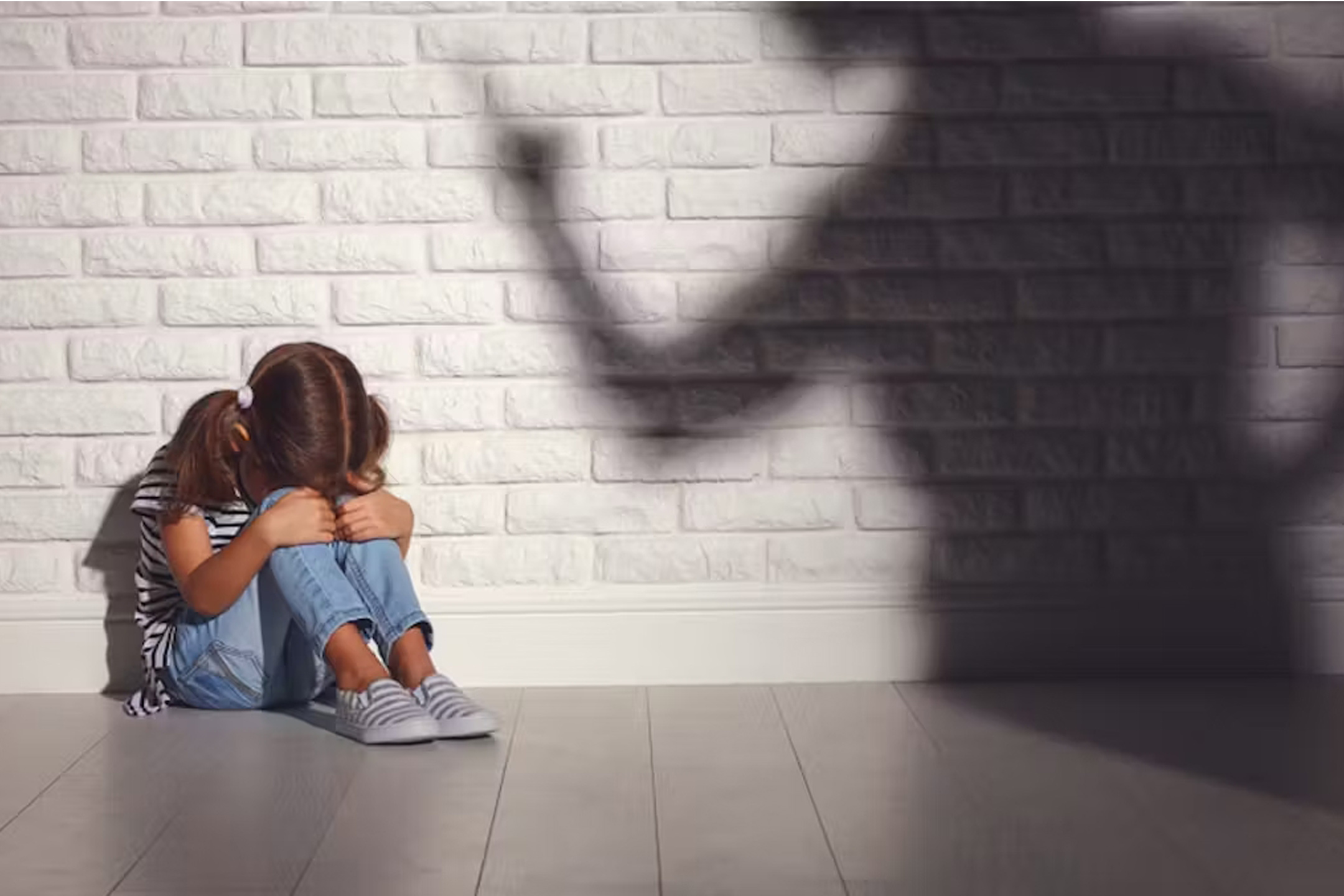
Coercive control: the silent abuse harming children nationwide
Barnardos Australia is warning that children across rural and regional Australia are becoming the hidden victims of coercive control — a form of domestic violence that uses intimidation, surveillance and financial restriction rather than physical assault.
Although often invisible to outsiders, the damage to children’s wellbeing can be lifelong.
Alarming rates in country communities
New crime statistics from New South Wales highlight the problem, with regional areas reporting far higher rates of coercive control than Sydney. From July 2024 to June 2025, regional NSW recorded 170 incidents compared to 127 in Greater Sydney, with some country regions recording rates more than three times the state average.
Barnardos warns these trends reflect challenges across many regional and lower-income communities nationwide, where social isolation and limited access to services leave families more vulnerable.
What coercive control means for children
For children, coercive control can feel like living in constant fear. Common tactics include:
-
Harassment and monitoring of a parent
-
Financial abuse that leaves families without security
-
Threats and intimidation inside the home
“These are behaviours children are witnessing every day,” Barnardos Australia Program Manager Mark Hoare said.
“They may not leave visible scars, but they leave deep psychological ones.”
Few charges, little justice
The NSW data also shows how difficult it is to address coercive control through the legal system. Of 297 incidents recorded over the past year, only nine led to charges. Just one was proven in court.
“This means children are growing up watching their mothers being systematically controlled and intimidated, with very little accountability for perpetrators,” Mr Hoare said.
Barnardos calls for national action
Barnardos is urging state and federal governments to recognise children as victim-survivors in their own right. This would ensure they are prioritised for dedicated services and protections, not treated as secondary witnesses.
“Children are paying the ultimate price,” Mr Hoare said. “If governments don’t step in, we risk another generation of children growing up traumatised by abuse that too often remains hidden behind closed doors.”