
16 Apr They’re Back from the Moon: How to Turn Artemis Excitement Into Real-Life Fun for Aussie Kids
Astronauts have safely returned from the Moon under NASA’s Artemis program — and suddenly space feels real again. Here’s how Australian families can turn that moment into simple, age-appropriate activities kids will actually love.
Why this moment matters for kids
With NASA’s Artemis missions now sending astronauts around the Moon and safely back to Earth, this is the first time since Apollo 11 that kids can follow a live chapter of lunar exploration.
For children, that shift is powerful:
- Space isn’t just history — it’s happening now
- Real people just went and came back
- The next mission could include the first woman and first person of colour on the Moon
Stargazing in Australia: what to look for (April–May 2026)
You don’t need perfect timing — just a few simple cues:
Best times to look (check here for your local information)
- Early evening (6:00–9:00pm) is ideal for kids
- The Moon is often visible before bedtime — no late nights needed
Easy Moon moments to watch
- First Quarter (half moon): great for seeing craters clearly
- Full Moon: brightest and easiest for younger kids
- Crescent Moon (just after sunset): beautiful and quick to spot
👉 In Australia, the Moon appears “flipped” compared to Northern Hemisphere images — a fun talking point for kids.
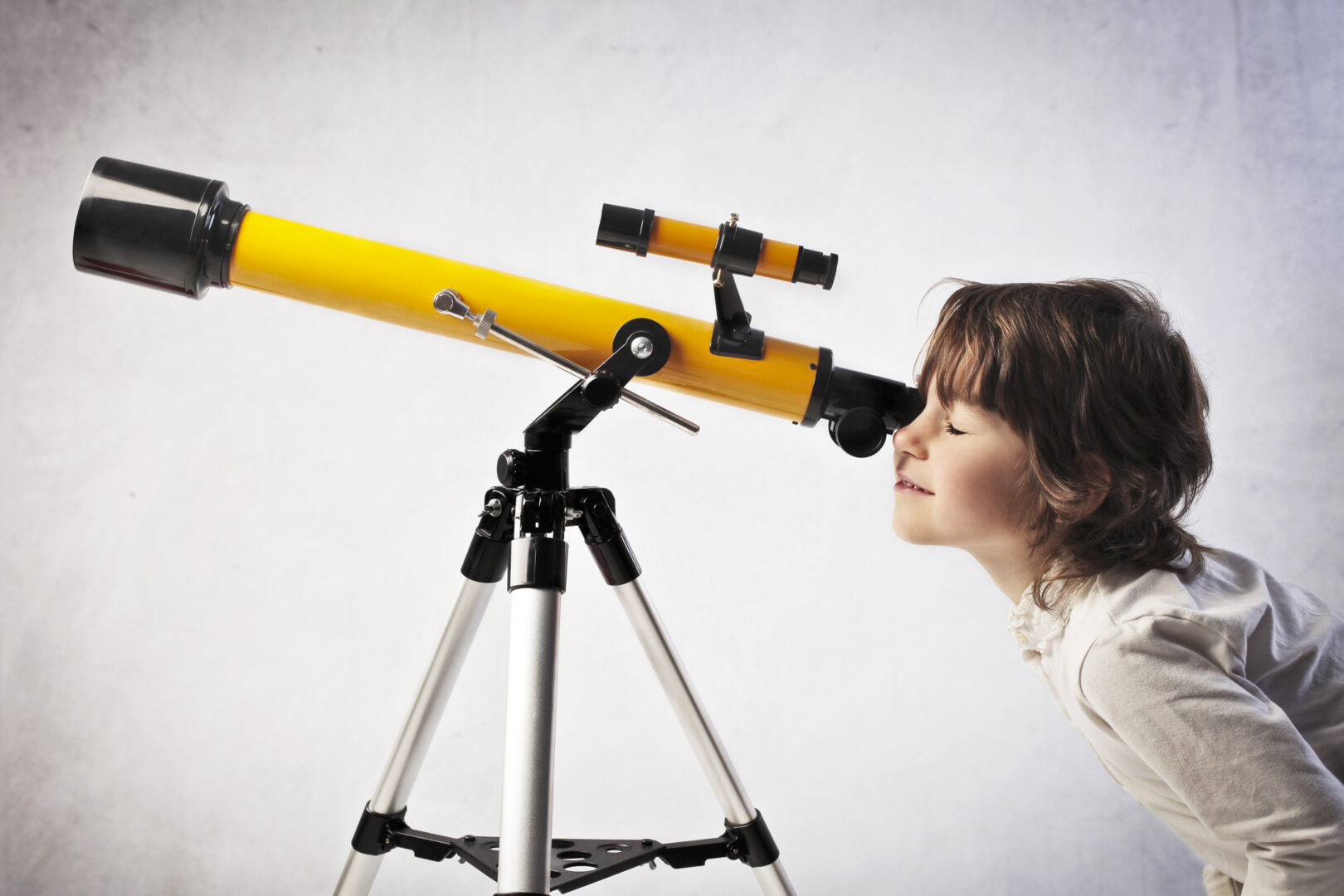 What to say while you’re looking
- “Astronauts were just there.”
- “That’s where the Artemis mission went.”
- “People are going back again soon.”
Age-by-age: what actually works
- Ages 3–6: Keep it simple, sensory and fun
Best ideas:
- Moon crafts (paper plate phases, foil “craters” Flying Rocketship craft )
- Glow-in-the-dark stars in their room
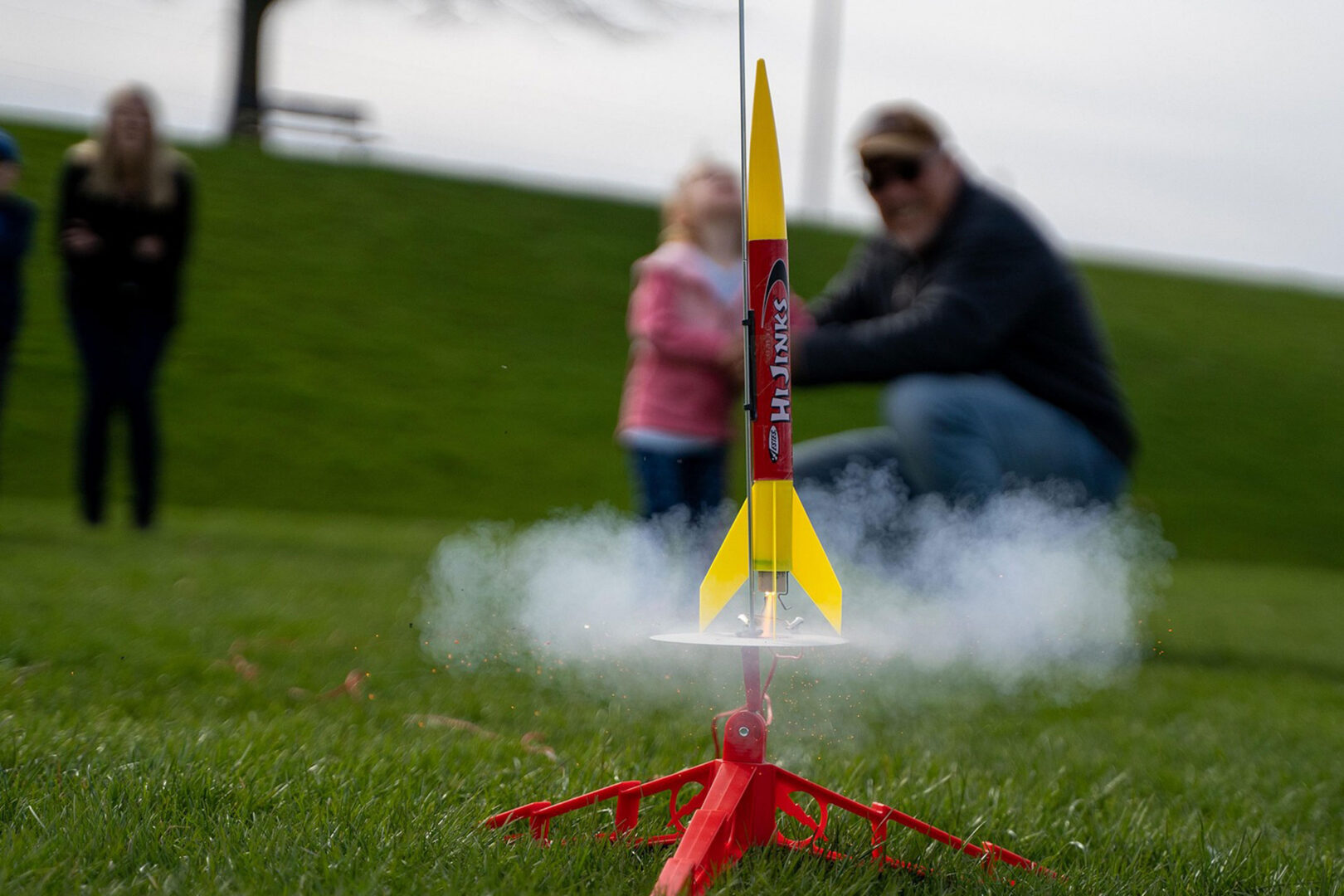
- Simple “rocket launch” play (countdown + jump!)
What to focus on:
- Wonder, not facts
- Repetition (“That’s the Moon!”)
- Short bursts of activity
 Ages 7–10: Hands-on + imagination sweet spot
Best ideas:
- Baking soda rockets
- LEGO or cardboard Moon bases
- Moon journals (draw phases over a week)
What to add:
- “Mission roles” (engineer, astronaut, scientist)
- Real-world links to Artemis
👉 This is the age where curiosity really sticks.
 Ages 11–14: Real-world learning + independence
Best ideas:
- Watch real Artemis mission footage
- Track Moon phases with apps
- Try basic astrophotography (phone + tripod)
What engages them:
- “This could be a future job”
- Behind-the-scenes science
- Space tech and engineering
Teens: Big ideas and future pathways
Best ideas:
- Debates: “Should humans live on the Moon?”
- Research Artemis careers (engineering, medicine, robotics)
- Coding, robotics or STEM challenges
What matters:
- Real-world relevance
- Future pathways
- Independence and depth
Easy “Artemis night” idea for families
Make it an event as the Artemis program has just begun:
- Step outside after dinner
- Spot the Moon
- Do a quick rocket activity
- Watch a short Artemis clip
Finish with:
👉 “People were just there — and they’re going back.” Under Artemis, NASA will send astronauts on increasingly difficult missions to explore more of the Moon for scientific discovery, economic benefits, and to build on our foundation for the first crewed missions to Mars.
Parent takeaway
You don’t need expensive gear or deep science knowledge.
Right now, you have something far more powerful — a real-world moment where space is happening again.
For kids, that turns the Moon from something distant into something possible.
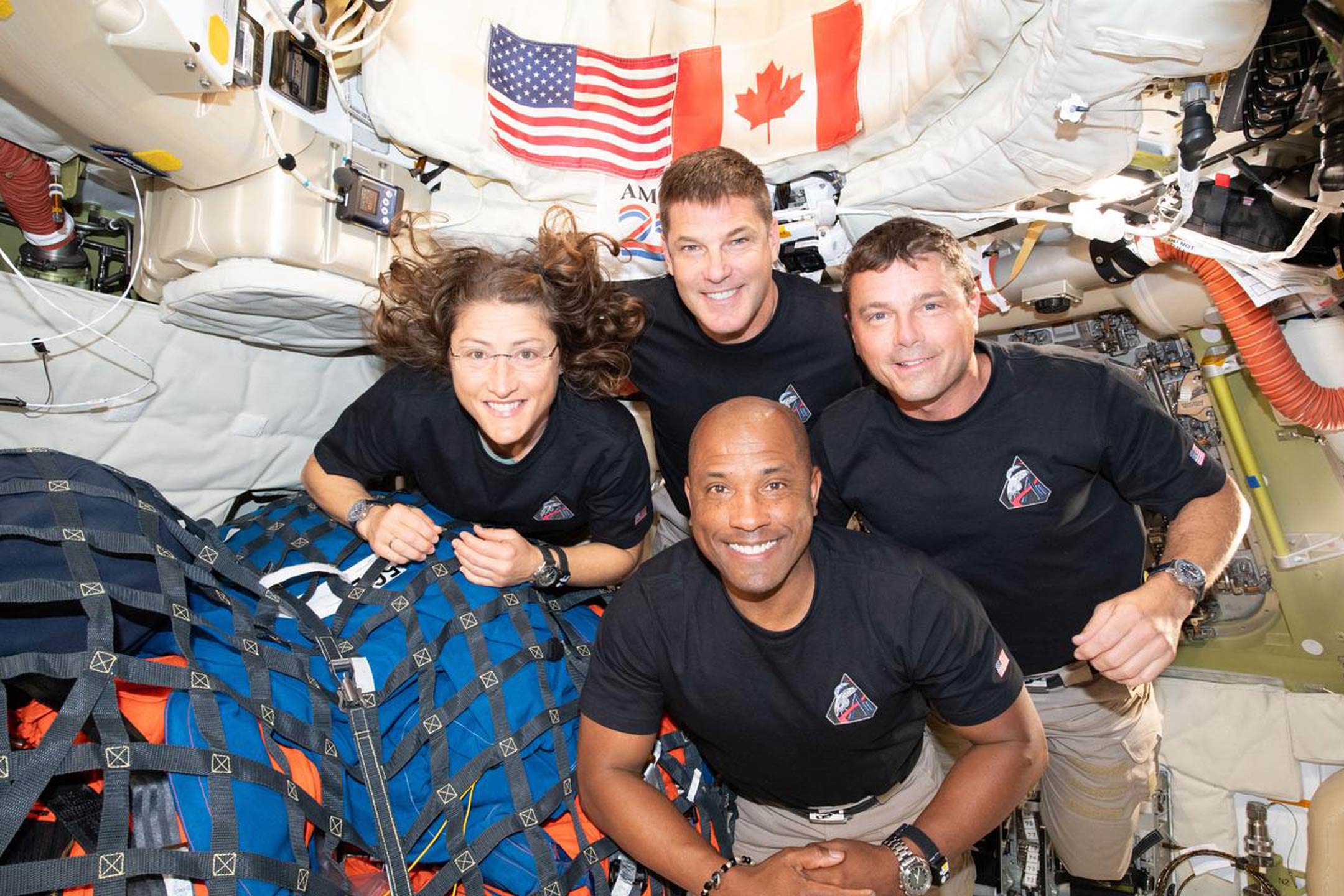
art002e013361 (April 7, 2026) – The Artemis II crew – (clockwise from left) Mission Specialist Christina Koch, Mission Specialist Jeremy Hansen, Commander Reid Wiseman, and Pilot Victor Glover – pause for a group photo inside the Orion spacecraft on their way home. Following a swing around the far side of the Moon on April 6, 2026, the crew exited the lunar sphere of influence (the point at which the Moon’s gravity has a stronger pull on Orion than the Earth’s) on April 7, and arrived back to Earth for a splashdown in the Pacific Ocean on April 10. Date Created:2026-04-07